
INTRODUCTION
This adventure really started in the small one-car garage of the two bedroom townhome I had called home throughout medical school. I’d placed a rectangle of duct tape on the concrete floor to match the dimensions of a small U-Haul trailer I’d reserved for my move from Ohio (where I spent the first 27 years of my life) to Tucson, AZ (where the next chapter of my life as a diagnostic radiology resident physician would begin). Using this tape simulation, I had come up with a detailed plan to arrange the cardboard boxes and plastic totes full of my belongings so they would fit in the trailer. It was a tedious process full of contemplation, frustration, trial, and error. But eventually, I was at least marginally confident that the majority of my belongings would fit. Several weeks passed while I planned the move and awaited moving day. (keep reading below)
THE DETAILS
Dayton, OH - Tucson, AZ (and back)
3,900 Miles
~58 Hours of Driving
Our long and winding route
That day came in late June of 2021 after a year in a hospital during the ongoing COVID pandemic. The first thing on the agenda was picking up the U-Haul trailer. First impression: it looked much smaller than my garage tape line, dashing my confidence that everything would fit. However, we really had no other option at this point. We backed the trailer up to the garage and started the day of box lifting. As I strained my posterior chain musculature and moved the first box into the trailer, the first thing that struck me on this hot, humid Ohio Summer day was the sauna-like sensation within the metallic walls of the trailer. This would be fun…
The little trailer impressed me. It swallowed up box after box, and tote after tote, and before too long the garage was essentially empty. We slid the trailer’s rolling metal door closed, and it wouldn’t open again until we reached Tucson a few days later.
The next morning, we arose with the Sun, eager to put some miles behind us. With the trailer hitched to the back of our truck, we hit the open road toward Tucson. During my several cross country drives over the previous few years, I took to setting out without hotel reservations to maintain some flexibility should I hit some unexpected traffic, or have a sudden late night burst of energy to motivate me forward. And in that spirit we drove west on I-70 with no plans to stop until we felt it was unsafe to drive any further.
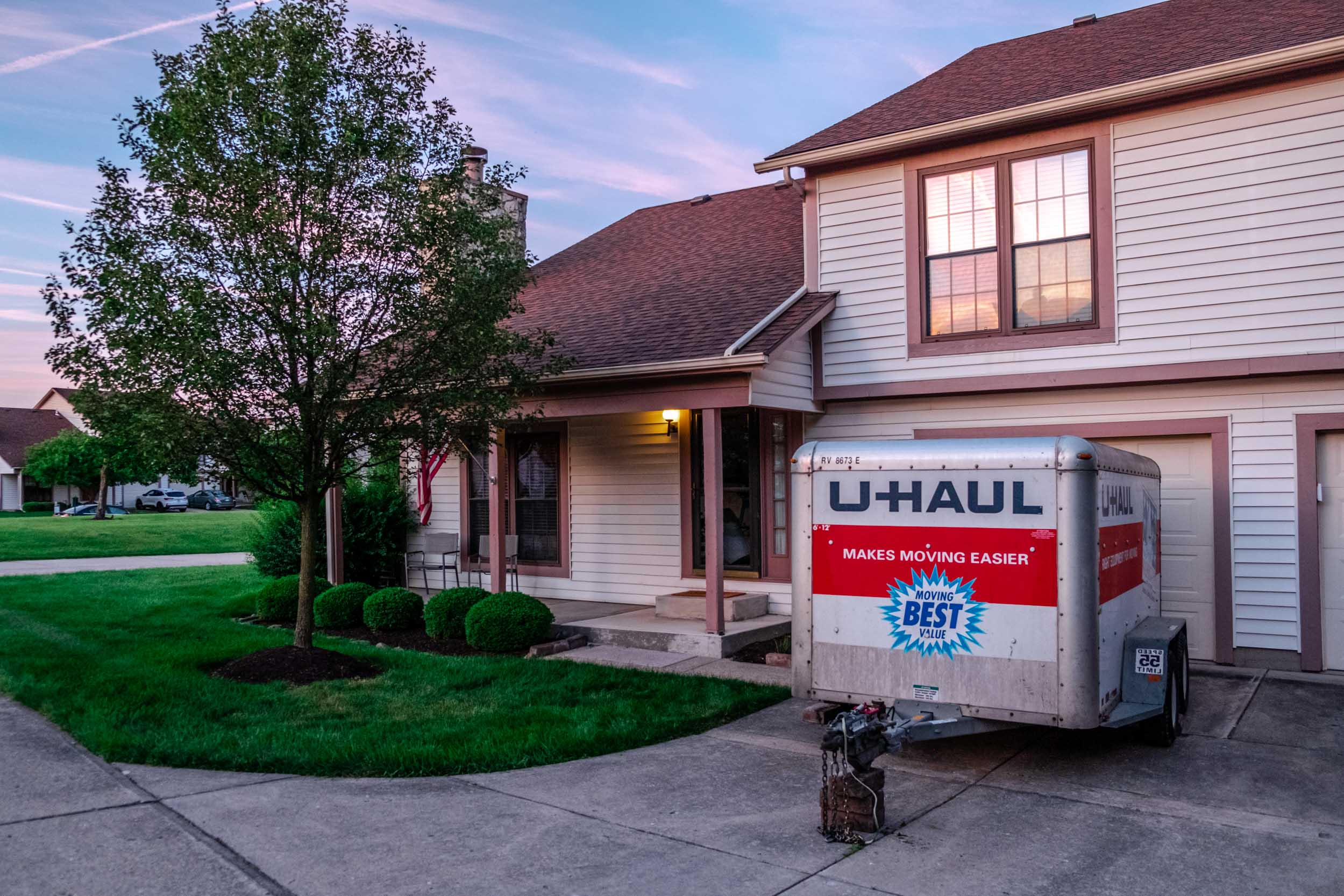
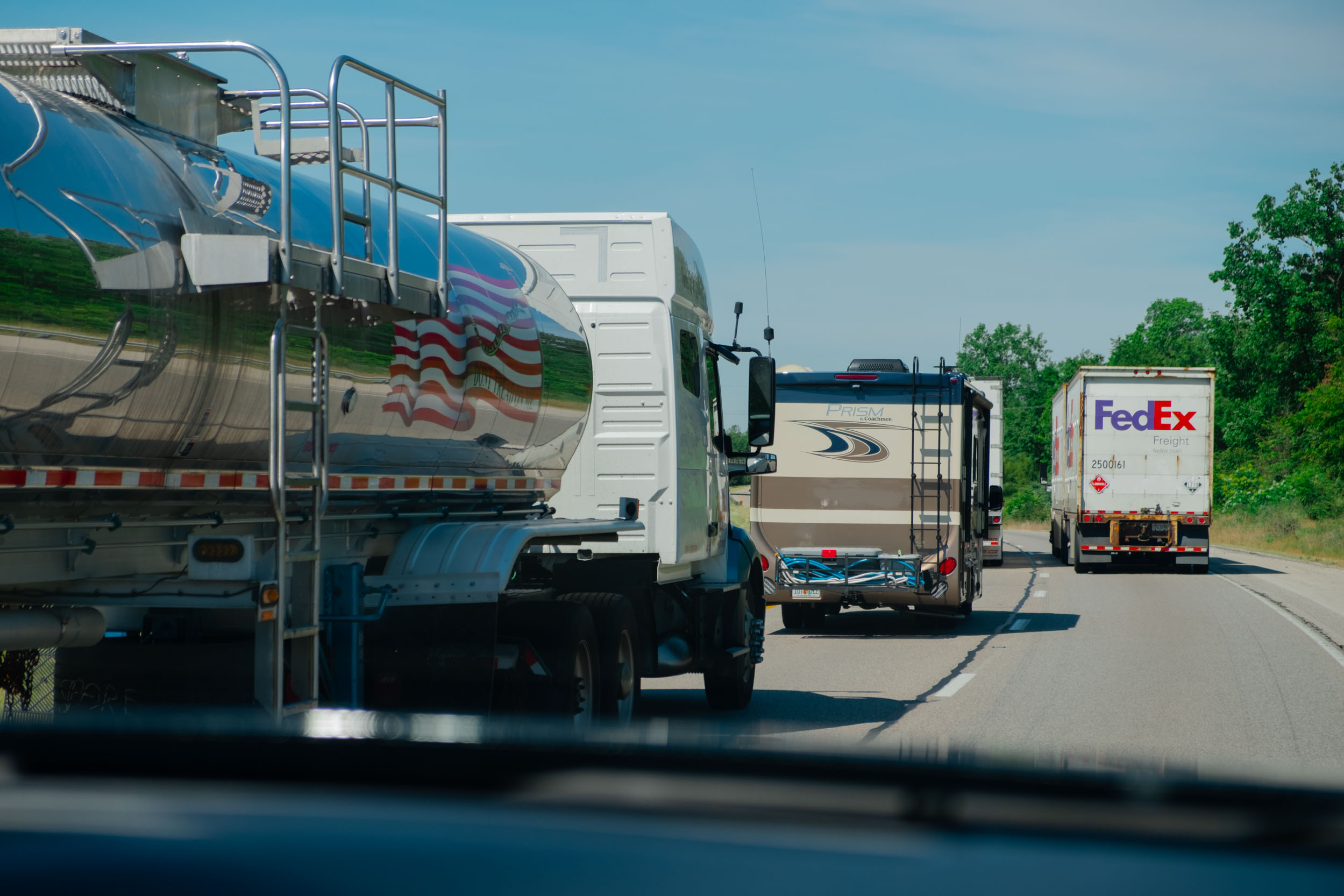
Our little U-Haul Trailer ready for the move. And our view as we drove alongside endless trucks on I-70
The first day on the road was relatively uneventful. The rolling plains of the Midwest were gradually replaced by the wide open grasslands and cattle farms of Oklahoma until we stopped for the night at a Hampton Inn just outside of Oklahoma City.
In the morning we again arose with the Sun to drive the remaining fifteen hours to Tucson. Our first stop was in the Northern part of Texas at a rest stop/safety shelter (from tornadoes).
This was one of the more interesting rest stops I’d seen, with dioramas of life on the Texas plains and stories of Quanah Parker. Out back was an uninhibited view of the rolling grass-covered plains that stretched to the horizon. These unexpectedly beautiful spots are one of the best parts of long road trips, I think. Places like these provide a simple and surprising beauty that delights the mind, but aren’t necessarily grand enough to justify a trip in and of themselves. You’d only see them on your way through to somewhere else.
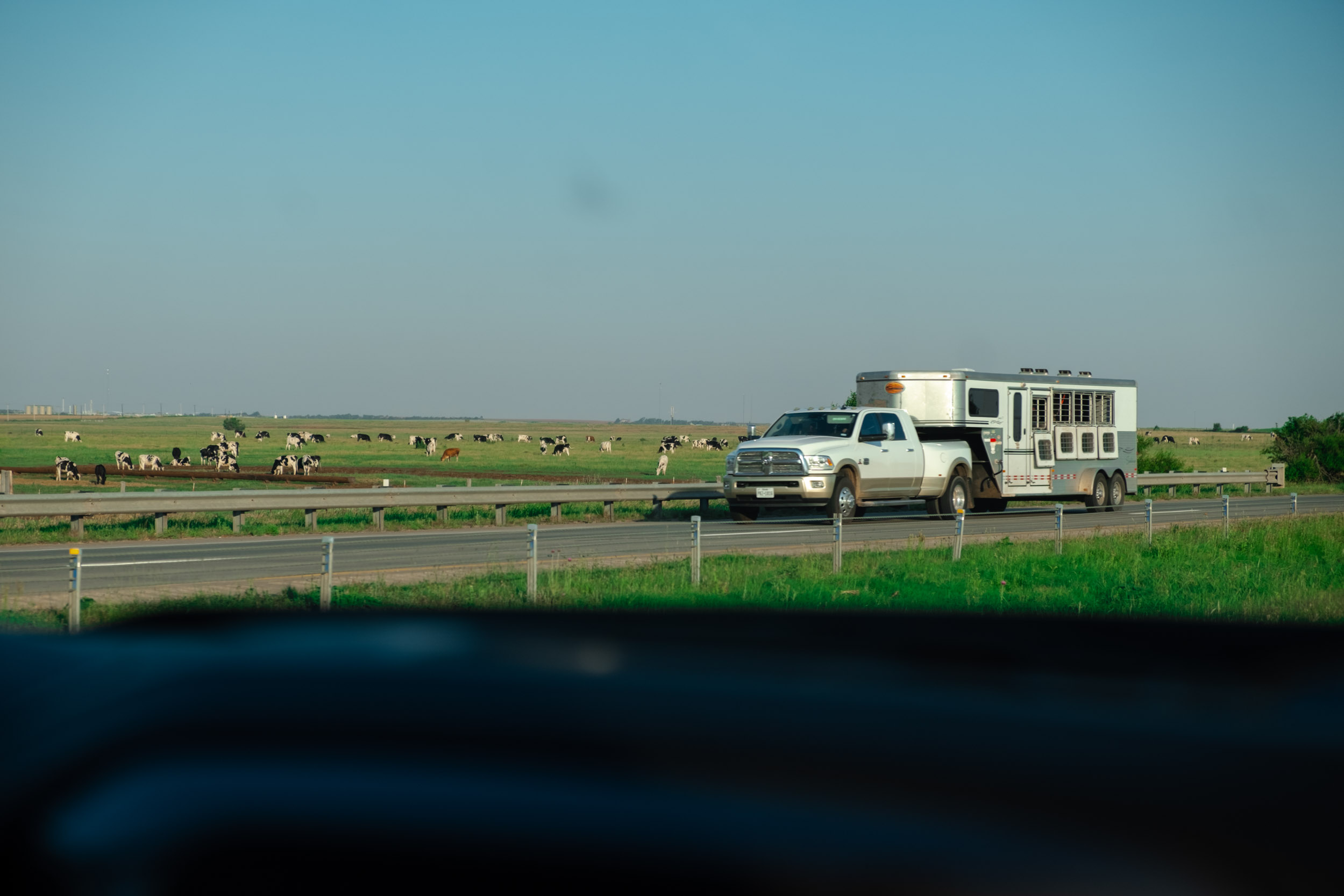
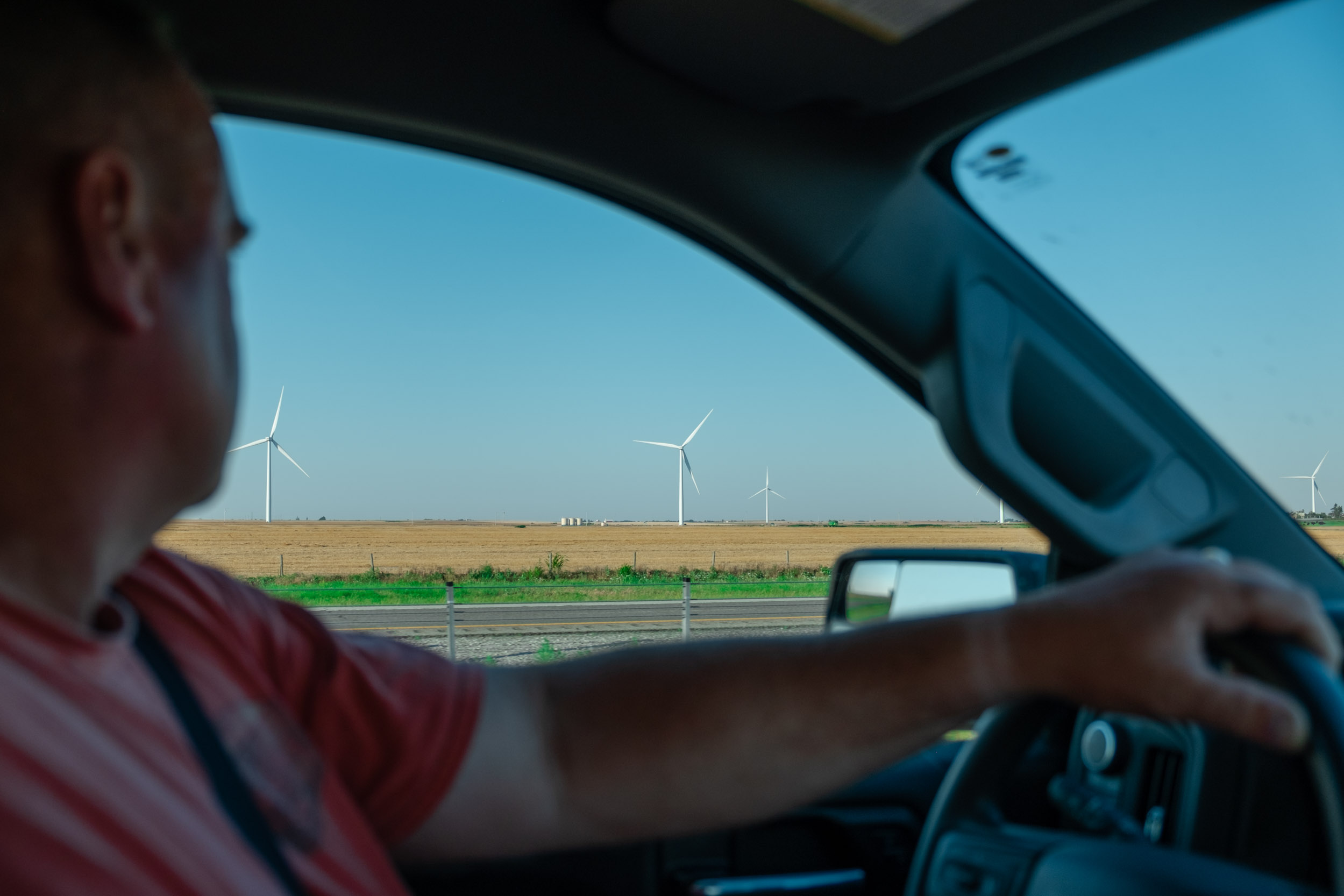
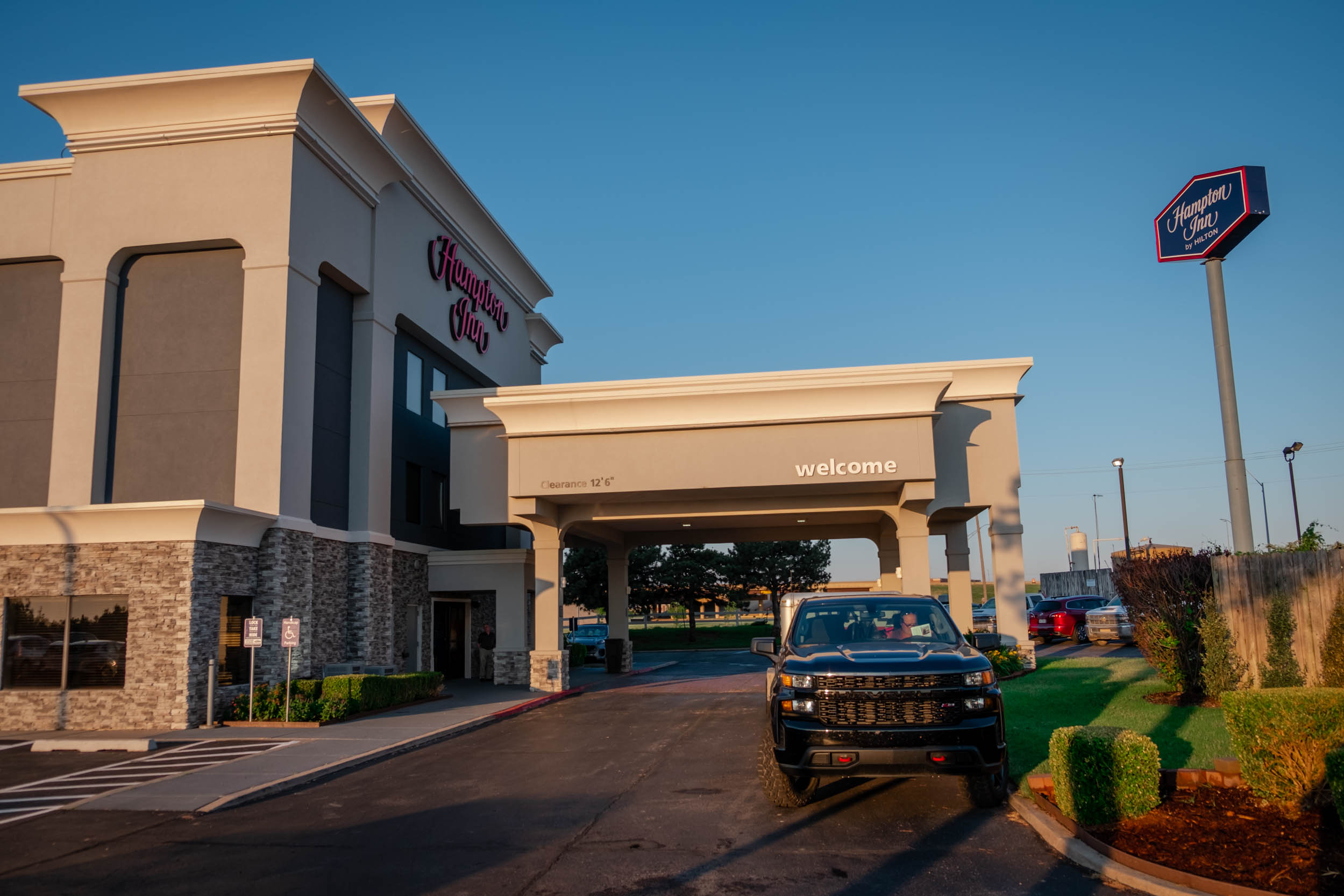
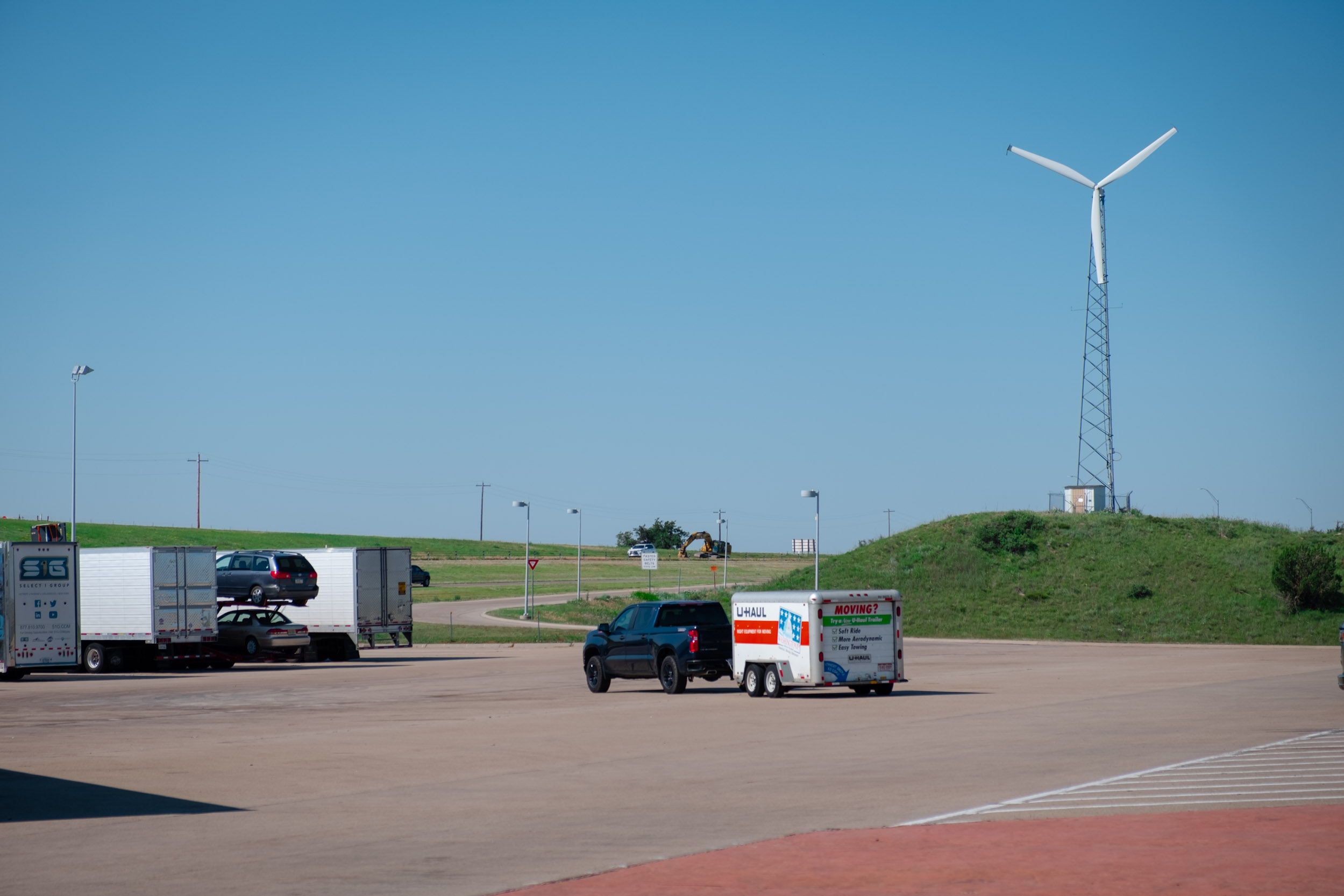
The views as we drove through the Midwest and Oklahoma. Waking up at our Hampton Inn outside of Oklahoma City. And our truck and trailer parked in the most interesting rest stop/tornado safety shelter I’d ever seen (the interesting parts are out of frame).
We got back on the highway and traded the plains of Northern Texas for the red plateaus of New Mexico, driving through Albuquerque and then turning South to Las Cruces. And as we passed through Las Cruces and turned West for the final time, we were rewarded with views of the setting Sun as it dropped below the horizon over our dashboard. From here, we drove in the dark for a couple more hours until we pulled off of I-10 onto the exit to my newly purchased home. This would be my first time seeing my house since officially owning it, having purchased it remotely after a single house-hunting weekend in Tucson. We drove into the quiet neighborhood around 11:00 pm, and as we pulled up to the house, even completely unlit in the darkness of the Southern Arizona desert, a sensation of excitement welled up within me – a sort of pride that when we stepped across the threshold of the door, we would be stepping into something that was mine, and a knowledge that this house would be the setting the of countless meaningful memories in the next chapter of my life. And with these feelings floating around my brain and burning in my abdomen, I unlocked the front door, felt around the yet to be familiar walls for a light switch, gave up and used the flashlight of my phone, and walked through the house to open the garage door. We backed the trailer into the garage, rolled up the metal door, and started unpacking.
Thirty minutes passed and the trailer was still about ¾ full, but fatigue set in and we decided to leave the rest for the morning. We grabbed the air mattresses out of the truck, inflated them, and went to bed while the air conditioning gradually cooled the house against the July desert heat.
The next morning, the first task was finding the box that contained the coffee maker. After that, we could finish unloading the remainder of the trailer. It was at this point that we discovered a problem. With the trailer fully loaded the night before, it sat lower to the ground, allowing us to back it into the garage. With it now free of all the weight, the front of its metal box structure was taller than the garage opening by about an inch and a half. Luckily, the solution was fairly simple. Our trailer hitch was mounted at the highest slot on a hitch mounting plate. We simply turned the hitch upside down and flipped the direction of the trailer hitch ball. This dropped the ball by a good 6 inches or so. The front of the trailer’s box structure then cleared the door without issue, and the rear barely skidded under the top of the opening without a scratch. Crisis averted, we dropped the trailer at the U Haul store just a few minutes down the road, and were done with the hard part of our journey. The rest of the trip would be a great journey back to Ohio with several adventurous stops along the way.
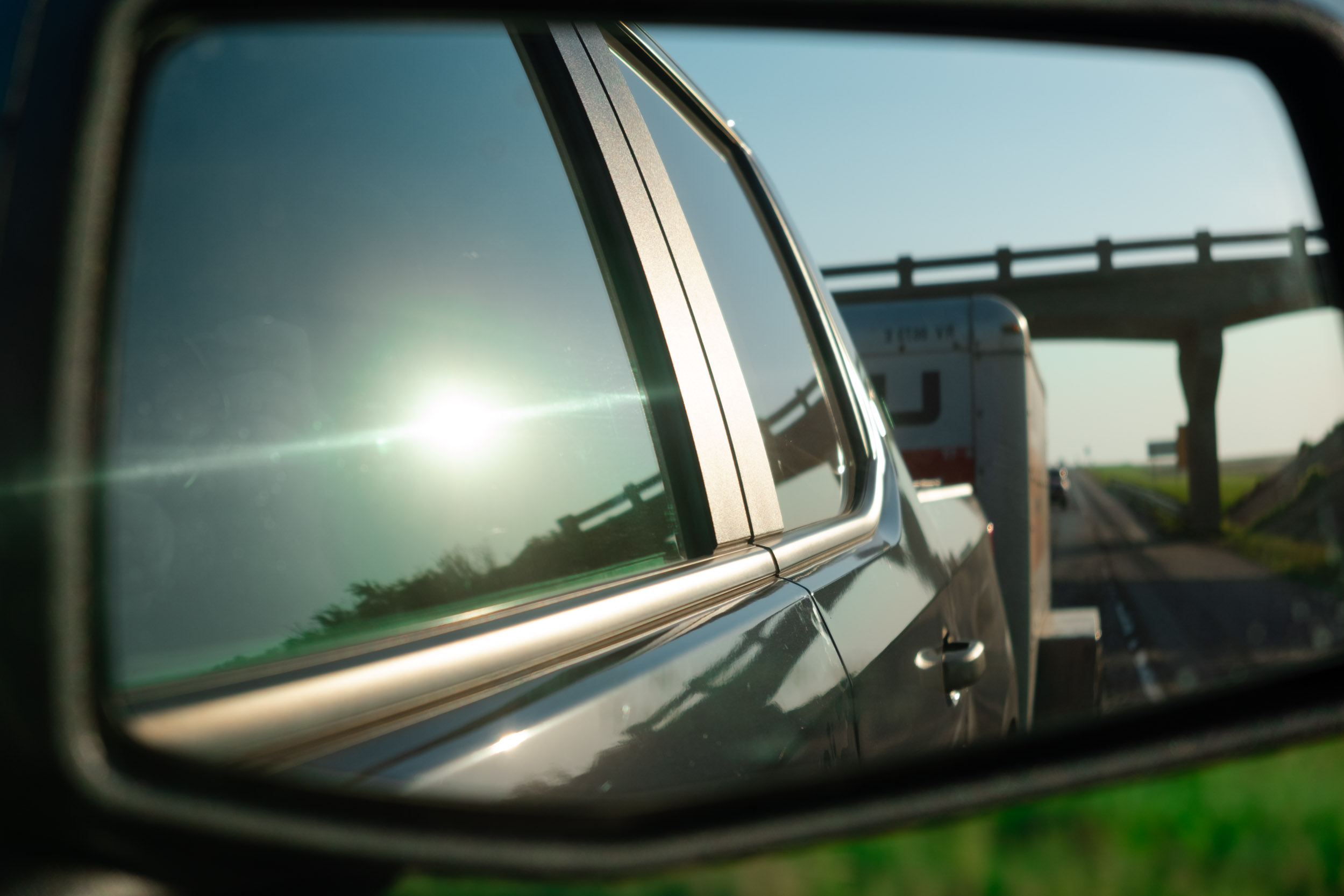
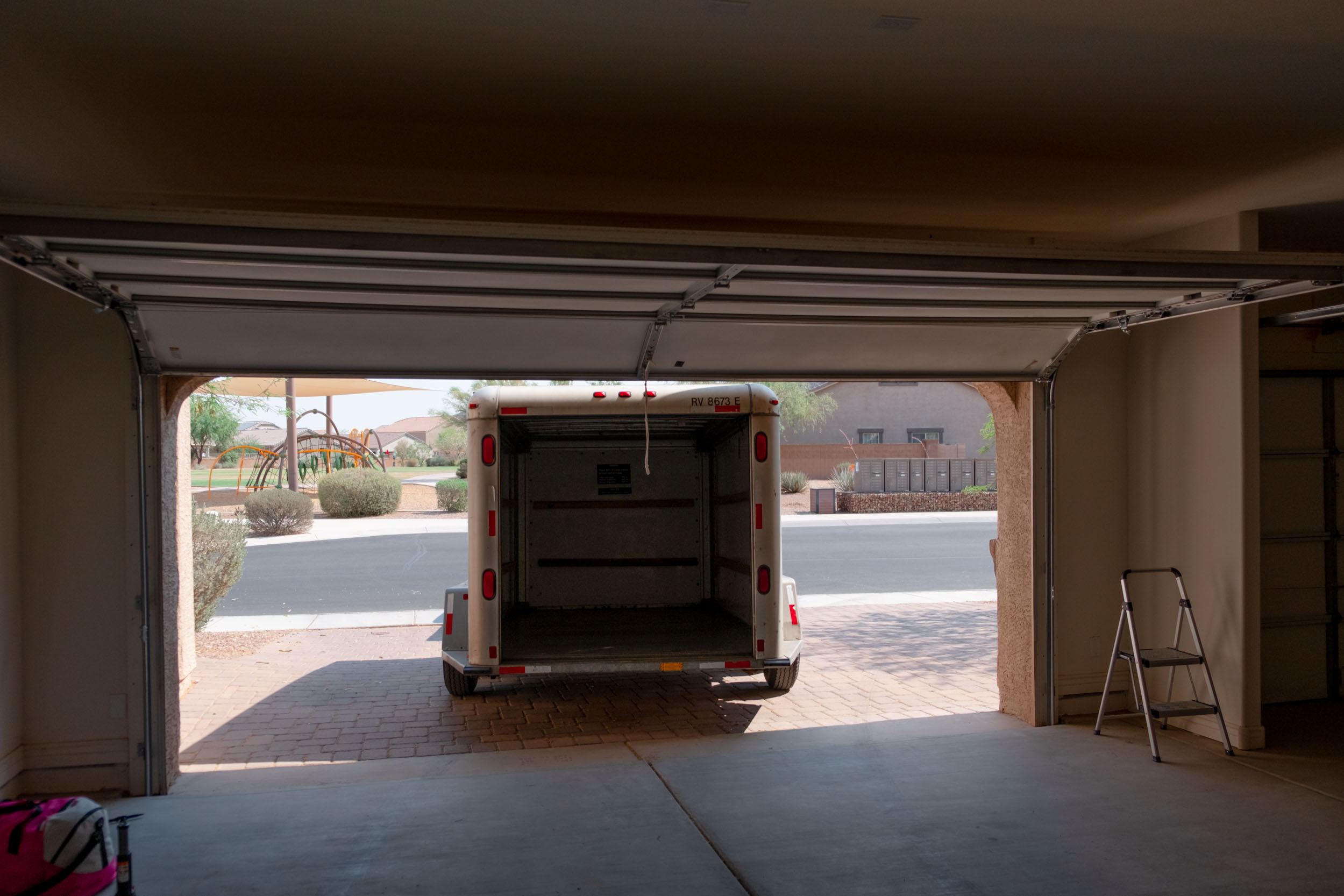
Leaving the last bit of greenery between Texas and New Mexico behind us, and the empty trailer after we’d used some ingenuity to get it out of the garage.
Before we got too far from Tucson, however, we adventured an hour south to Tombstone. This town is of course famed for its wild west culture. It was the setting of the famous shootout at the OK Corral, and the namesake and setting of the eponymous film starring Val Kilmer. We strode over the wooden plank arcades and dirt streets of the small, mostly commercialized town, taking in the simulated sights and sounds of the old west.
Two men acted out an argument in the middle of the road to justify a later reenactment of a gunslinging duel. Two black horses pulled a red carriage up and down the central street. Bird Cage theater was setup as it had been in its heyday, raised second floor viewing galleries looking down on a stage and gaming tables. And after a bite of lunch at Big Nose Kate’s Saloon, we headed back north for our last night in Tucson.
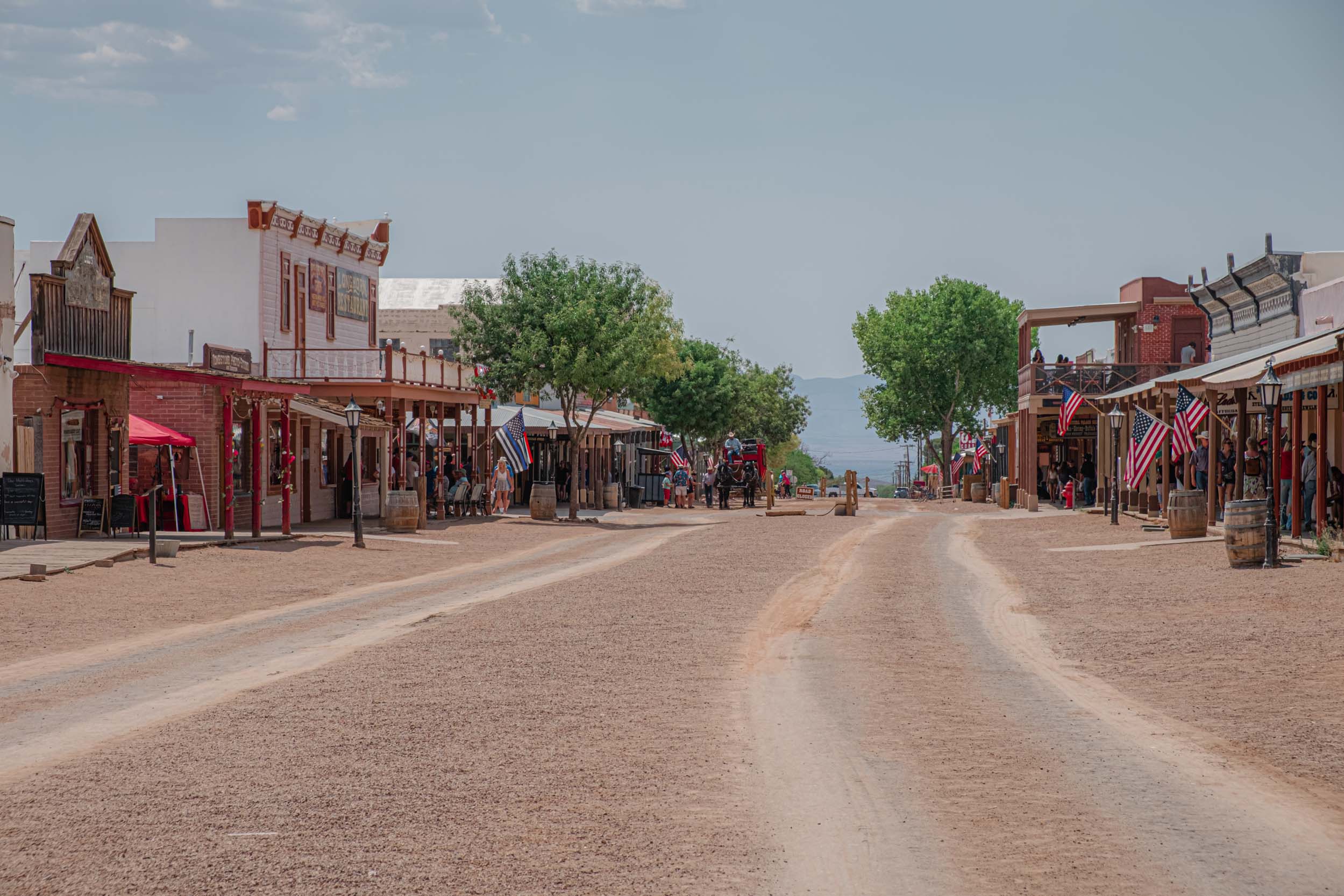
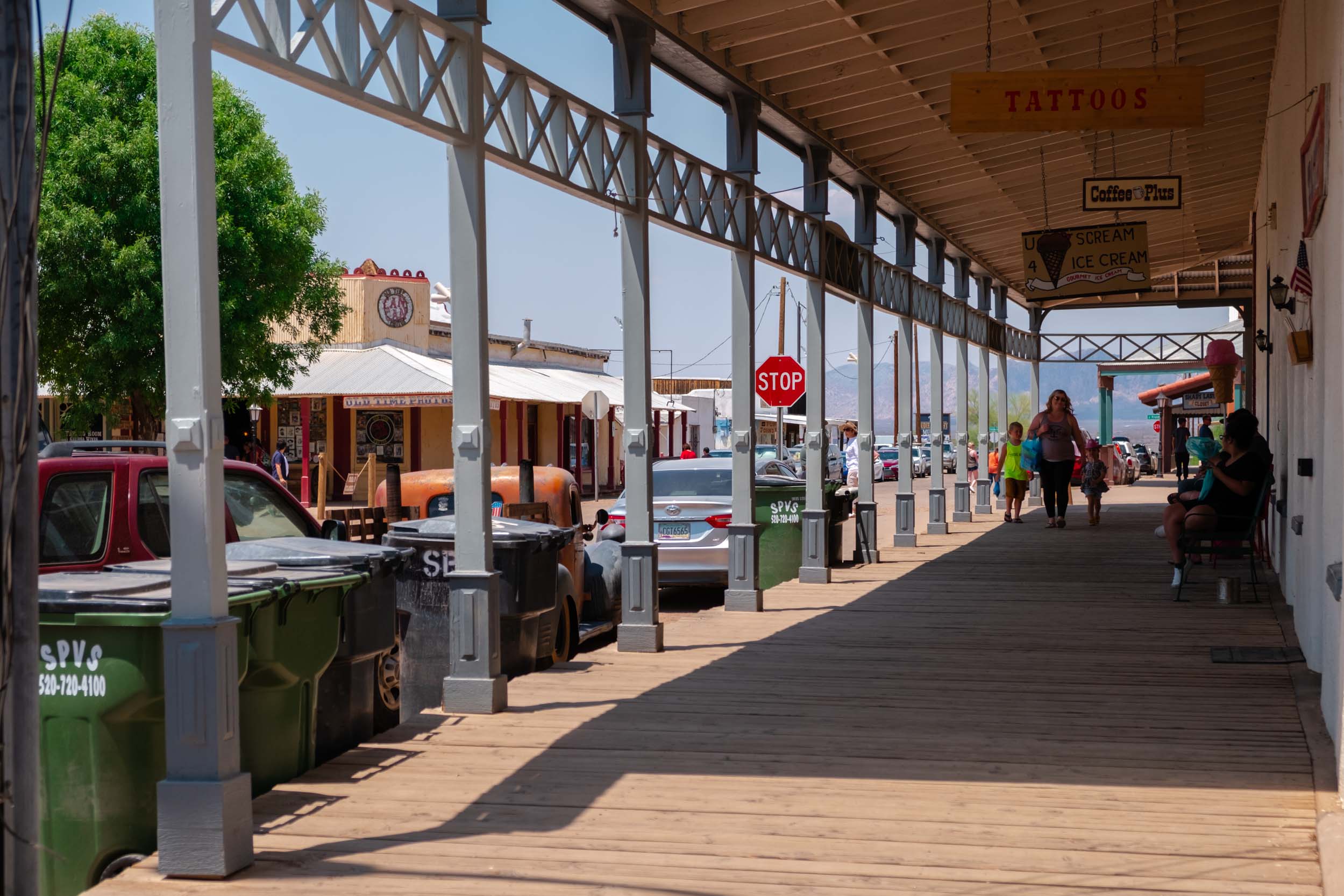
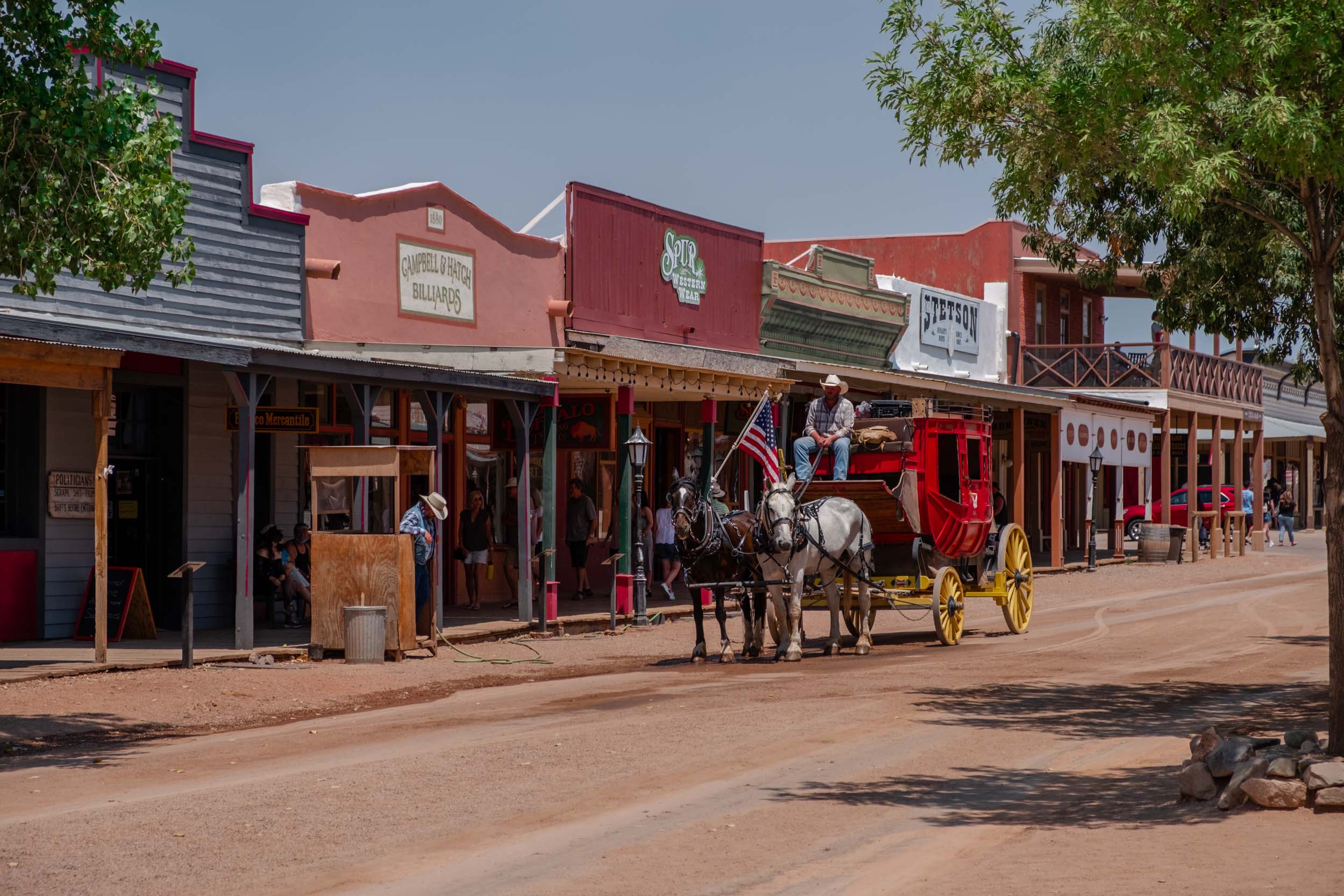
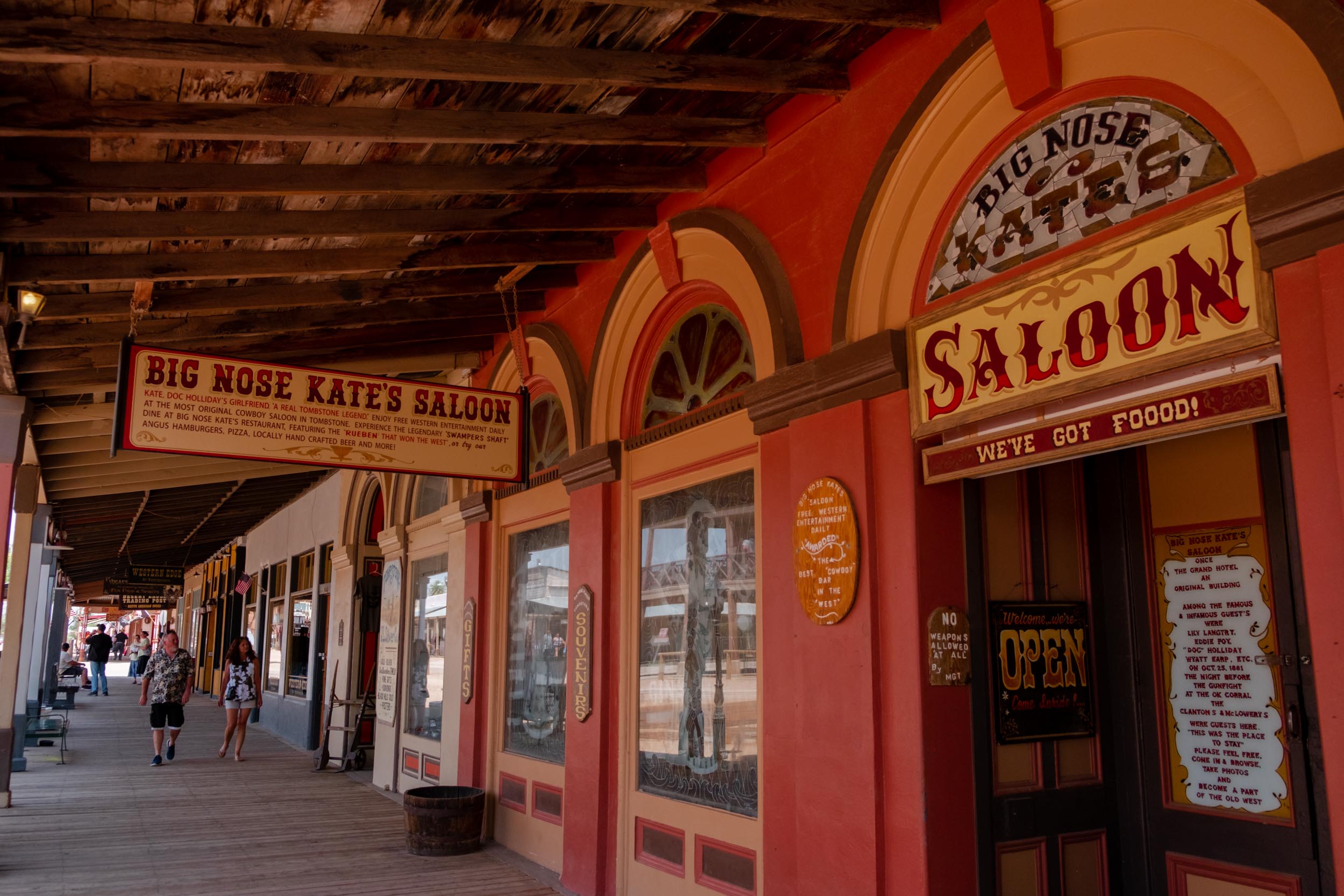
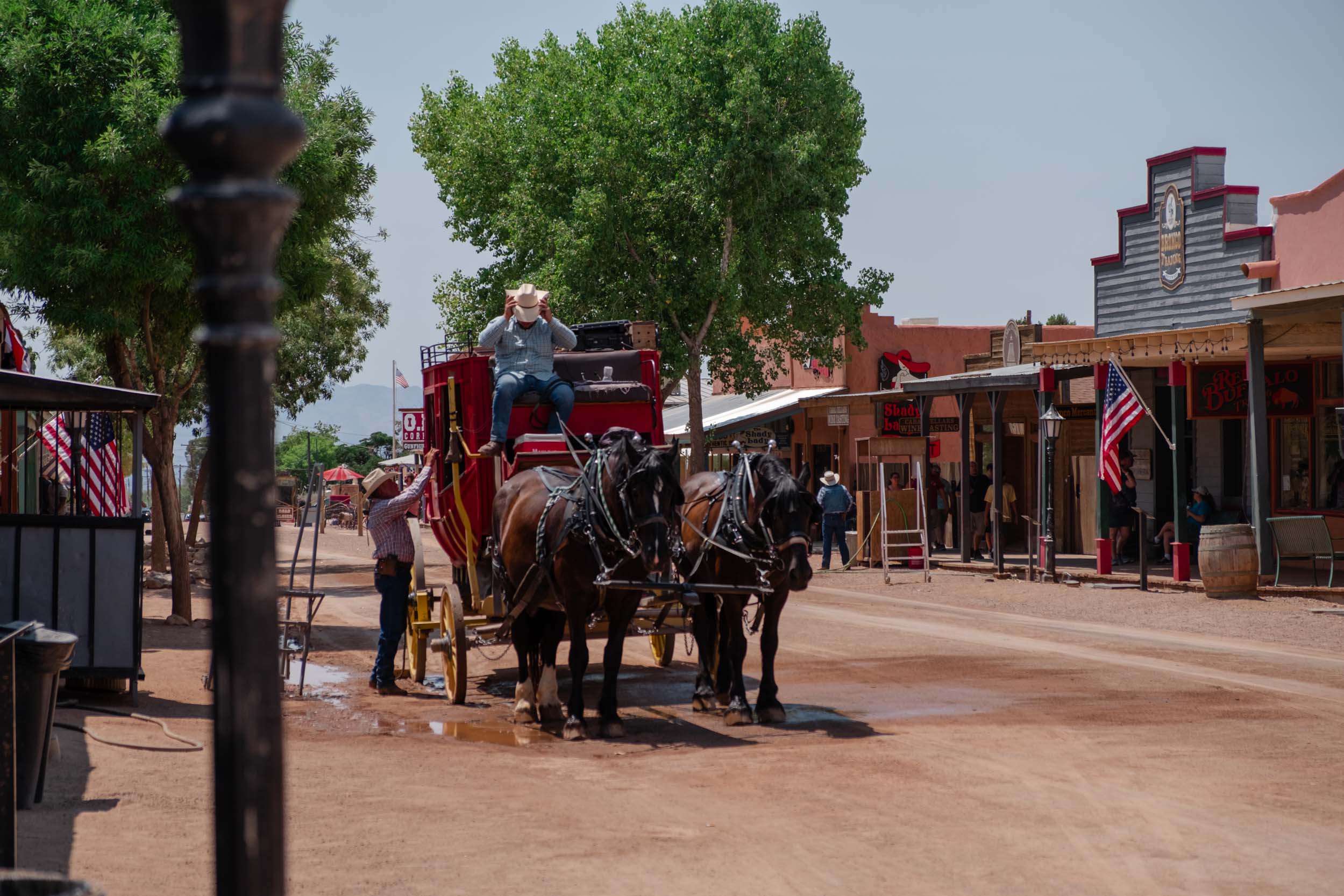
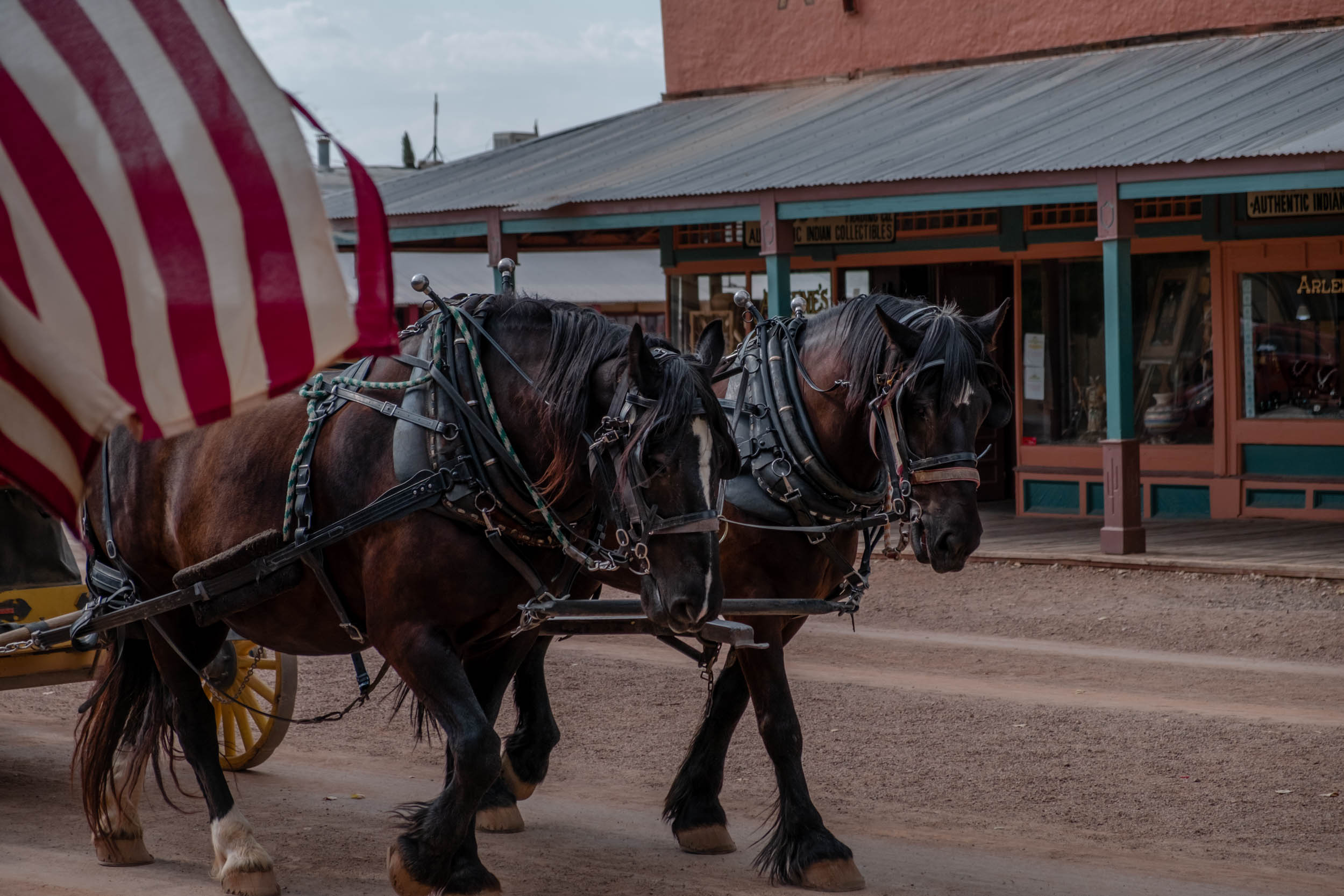
The sights of Tombstone
The morning came and we loaded into the car for the trip back east. I took one last look at my new home, a bit sad to be leaving it after having only just gotten familiar. However, I’d be completing another cross-country trip back to Tucson about a week later, so I wouldn’t have too much time to miss it. Then, we backed out of the driveway and drove toward the highway. We joined the cars on I-10 heading east (although as it passes through Tucson, I-10 approximates a more North-South course). Next stop: White Sands National Park.
The first few hours of the drive passed quickly as we headed back toward Las Cruces. And this time, instead of heading back the way we came toward Albuquerque, we continued through the city of Las Cruces itself. On its eastern border we drove over the organ mountains and followed the long shallow slope to lower elevations on the other side.
As we descended we saw Holloman Air Force Base in the distance, and signs on the road warning of occasional missile testing in the area. Further up the road we were forced through a border checkpoint, and just after that, we turned left into White Sands National Park.
Stepping out of the truck at the visitor’s center, the Sun’s intense rays beamed down. The thermometer in the truck read 102 degrees. And when your plans for the day involve hiking up and down sand dunes with no hope for shade, such conditions are not to be taken lightly. But as we climbed back in the truck and drove deeper into the park, some dark clouds rolled in, blocking the harsh sun above. We parked in a large, sand-covered lot near the start of the Alkali Flats Trail and set out on foot.
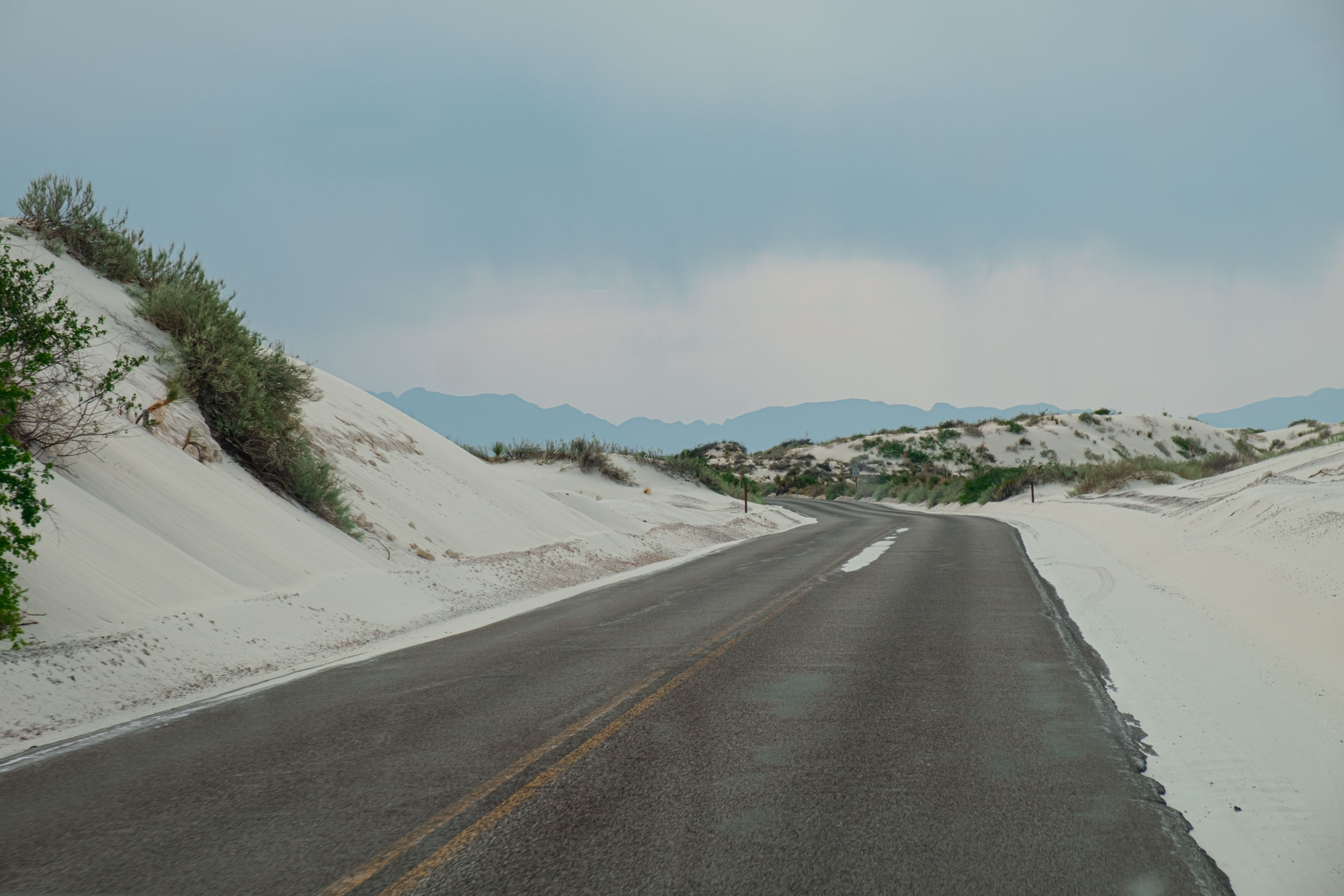
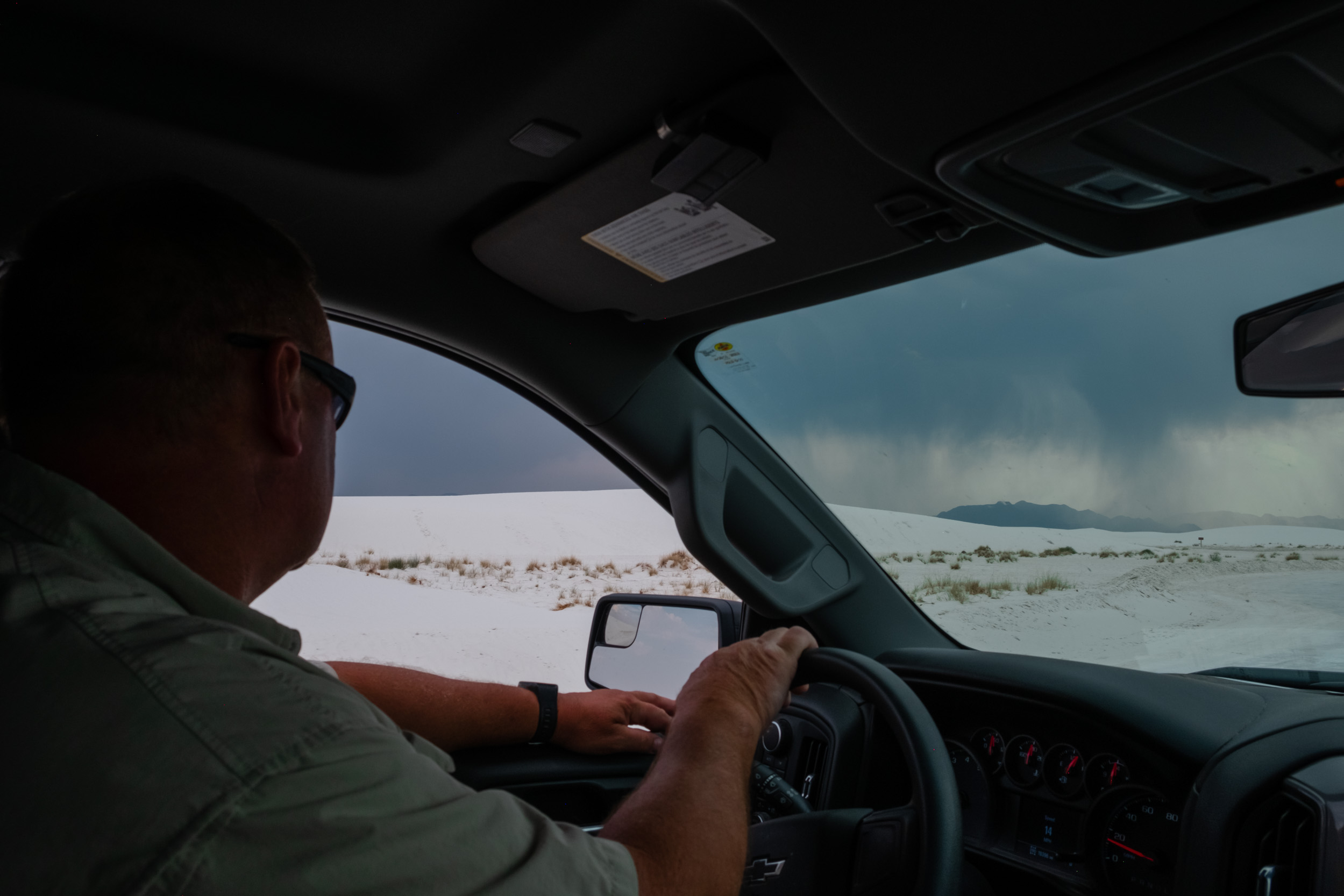
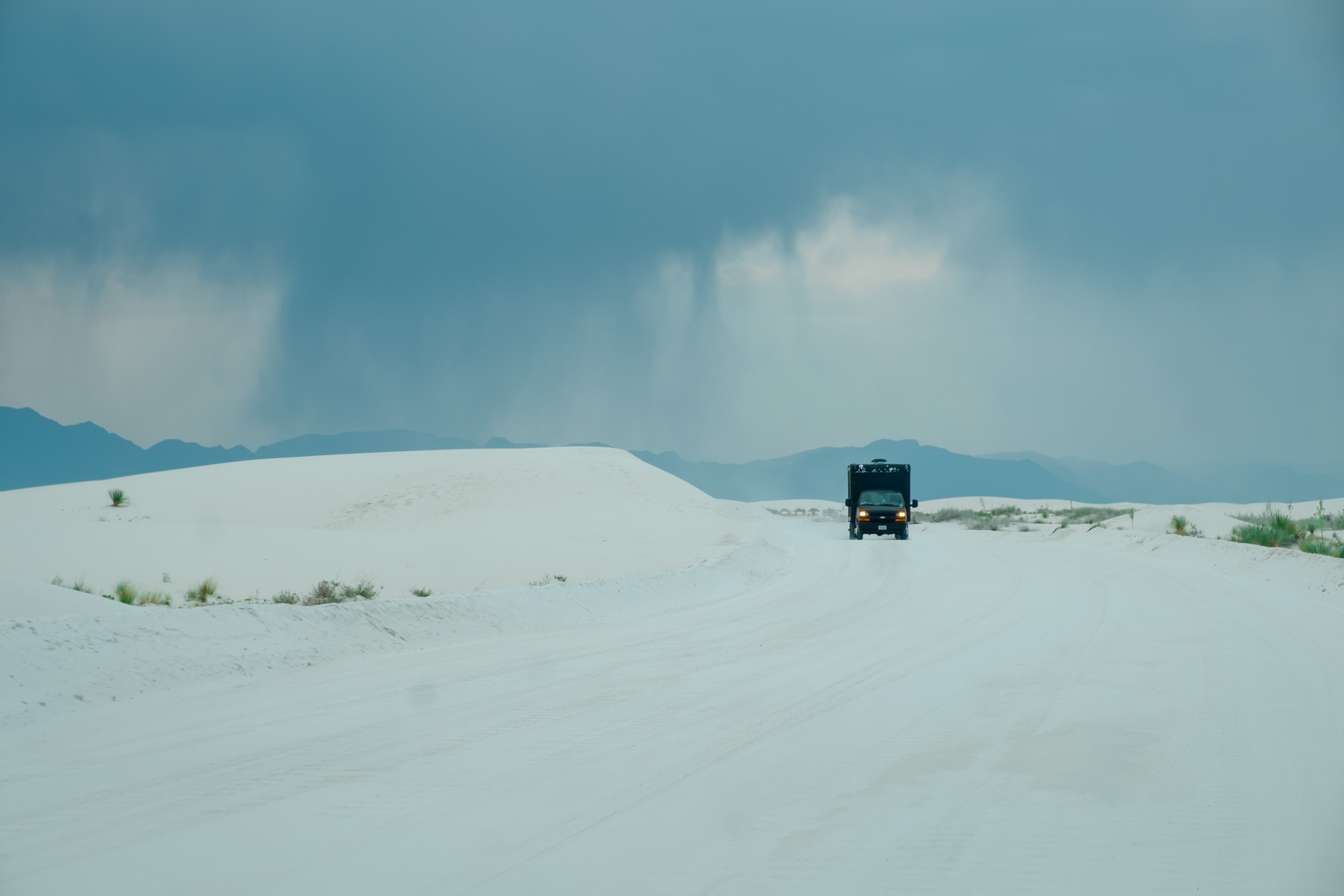
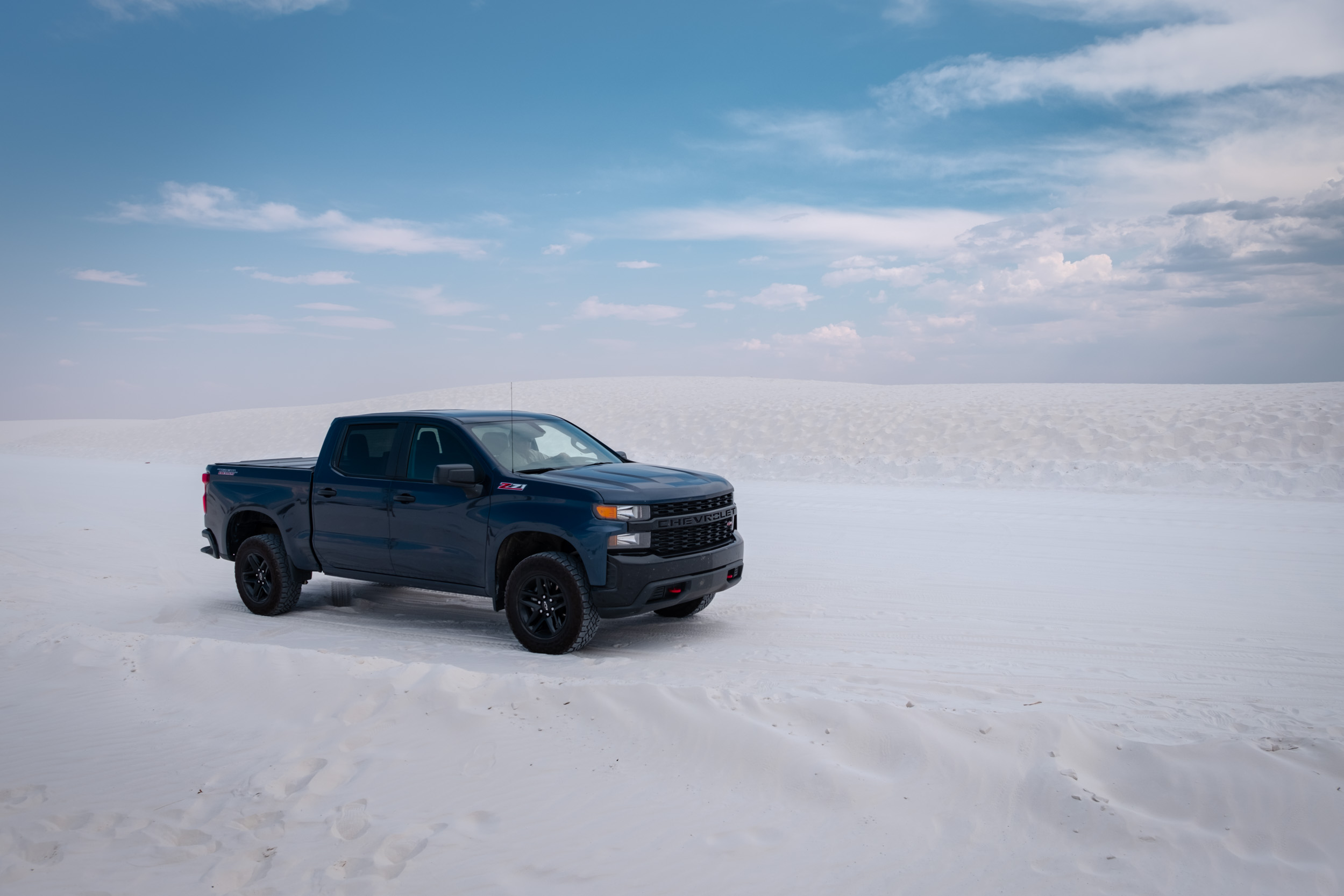
Driving into White Sands National Park after a quick stop at the Visitor’s Center. At first, the road was paved, but as we drove deeper into the park, the pavement had been covered by the constantly blowing sand. Dark skies filled the sky in the east, blocking the Sun (thankfully). And eventually, we parked in a sand-covered parking lot.
We inched our way up and over the first dune, its grains of sand giving way beneath our feet making each step twice as hard and half as productive. But as we descended from its crest and lost the parking lot behind us, it was as if the entire rest of the world disappeared. Down in the ravines between endless dunes in all directions, the only sounds are those of the light breeze blowing over the sand, carrying inch-high clouds of granules over the surface.
The Northern part of the mountain range we’d driven over East of Las Cruces stood in the distance to the West. And aside from those mountains and the rare dark clouds above them, the only thing to see is sand. I had seen America’s forests, plains, deserts, and coasts, but never anything like this.
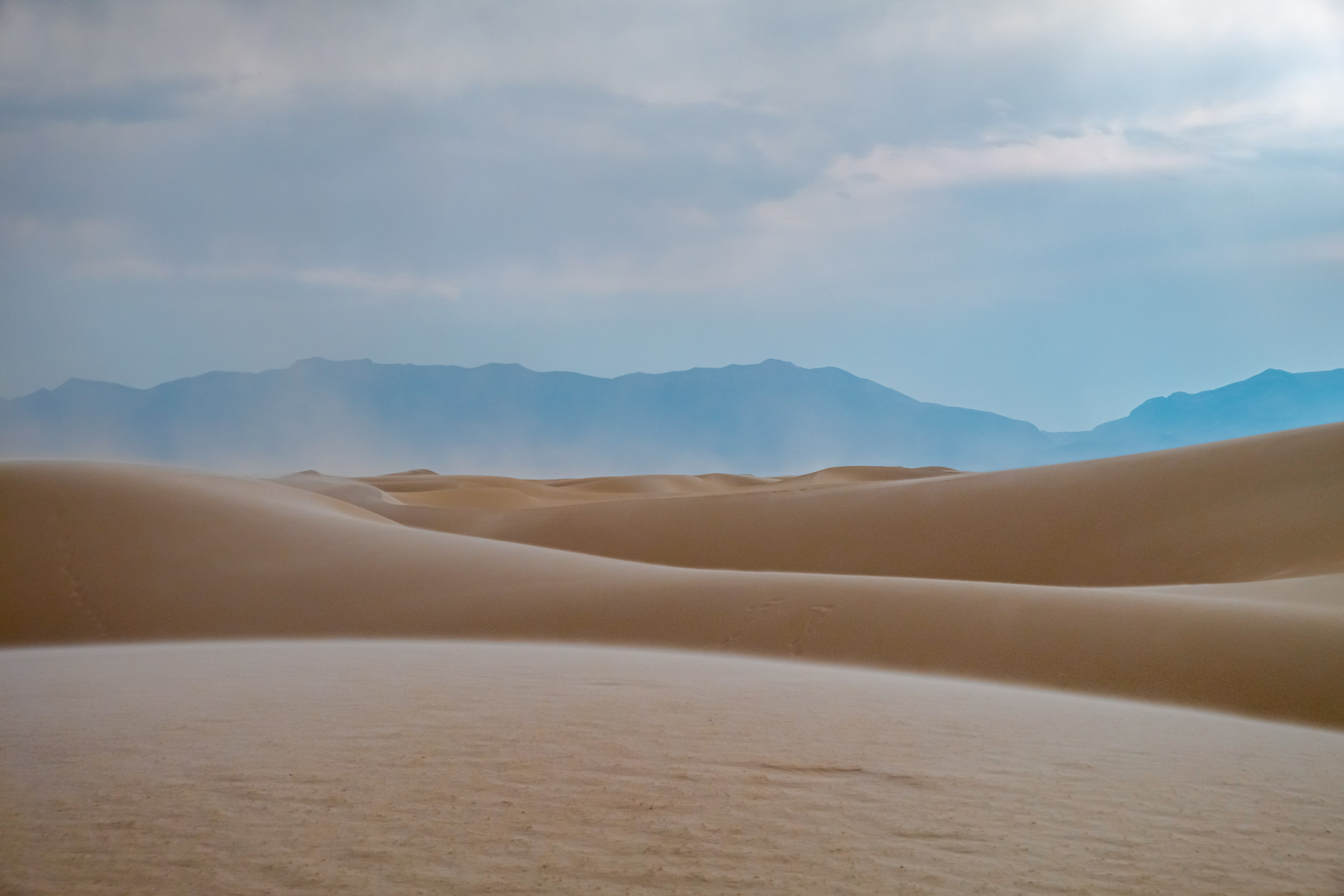
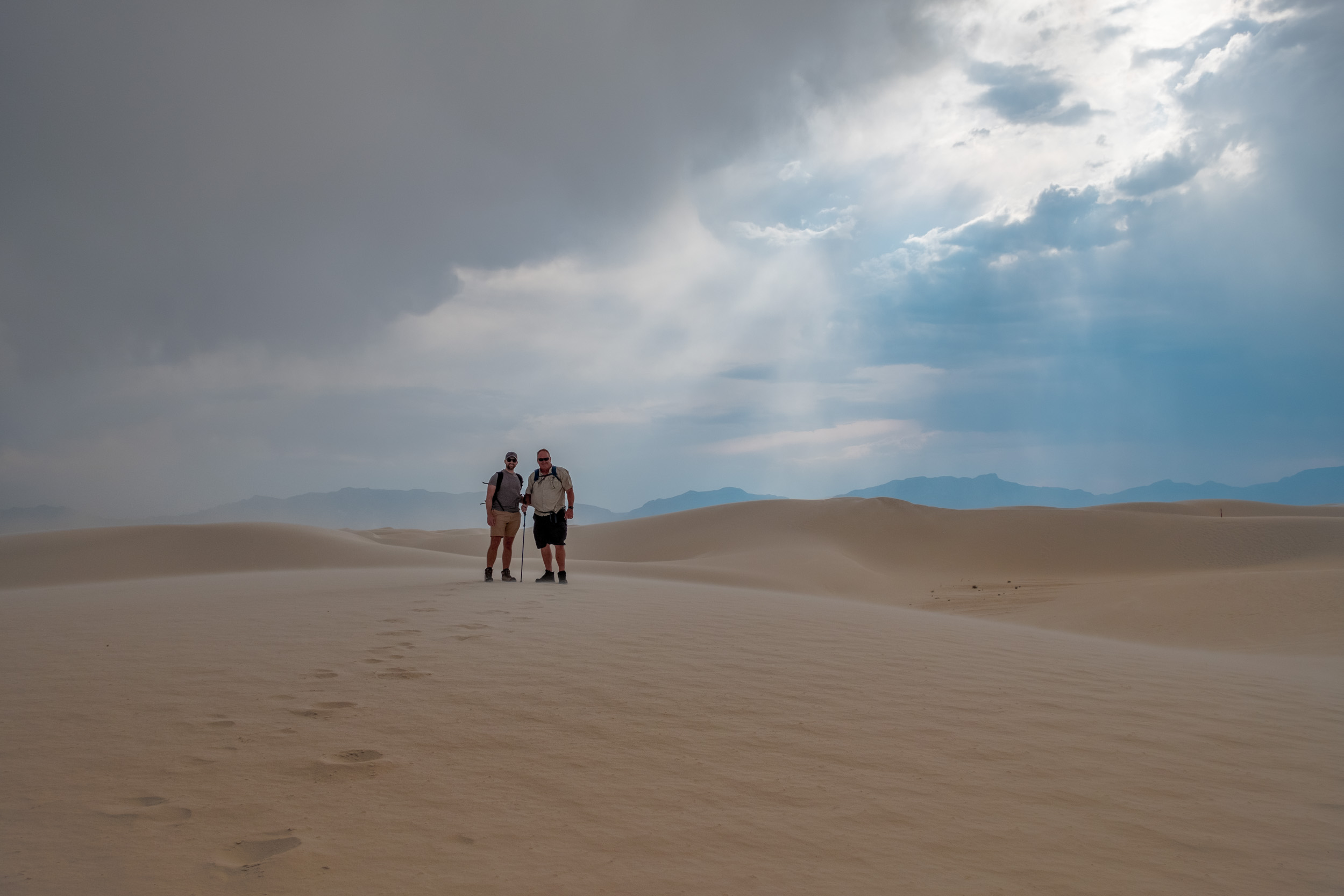
The dunes were like nothing I’d ever seen, with a light breeze carrying clouds of sand over their surfaces. My Dad and I posed for a picture near the beginning of our hike.
Following the “trail” was just a game of connecting the dots between orange plastic beams jammed a foot or so deep into the sand. Standing at the top of one dune, we would look for the next piece of orange plastic on top of the next dune or in the next ravine a few hundred yards away, continuing forward in this way toward the mountains. And as we got further and further from where we’d come, the cloud that so gracefully shielded us from the Sun began to swirl more violently in the sky above. And almost like flipping a switch, suddenly, it began to rain.
As cold drops hit our skin, the feelings of otherworldliness this landscape delivered were compounded. We’d set out to visit sand dunes in the desert, expecting extreme Sun and waves of heat rising from the baking ground below. Instead, we were borderline cold, getting soaked by rain. And along with this rain, came wind. At first, this wind was more akin to a pleasant breeze. But as the rain continued falling, this breeze turned into intermittent gusts, and then to a constant high-speed onslaught.
The closest thing I’d experienced was sticking my arm out the window while driving down the highway. And with high speed winds over sand dunes comes the pain of grains of sand stinging your skin. It felt like being sandblasted. With shorts and short-sleeved shirts on, there was nothing we could do to protect our arms and legs. Thankfully, we had sunglasses to protect our eyes, but even these weren’t enough. Sand blew around their frames and tangentially at my eyes. I stuffed a handkerchief in the gaps between my glasses and sides of my face, tunneling my vision, but keeping the sand out of my eyes. Even with this protection, I had to squint to keep the sand out of my eyes. With the glances I chanced up and out at the dunes I could see sand being carried over their crests like snow blowing off a mountain face. We positioned ourselves with our backs against the wind and soon after our calves were abraded. This had turned into a true “edventure” (a name we give adventures with my dad Ed when they inevitably turn into something unpredictable).
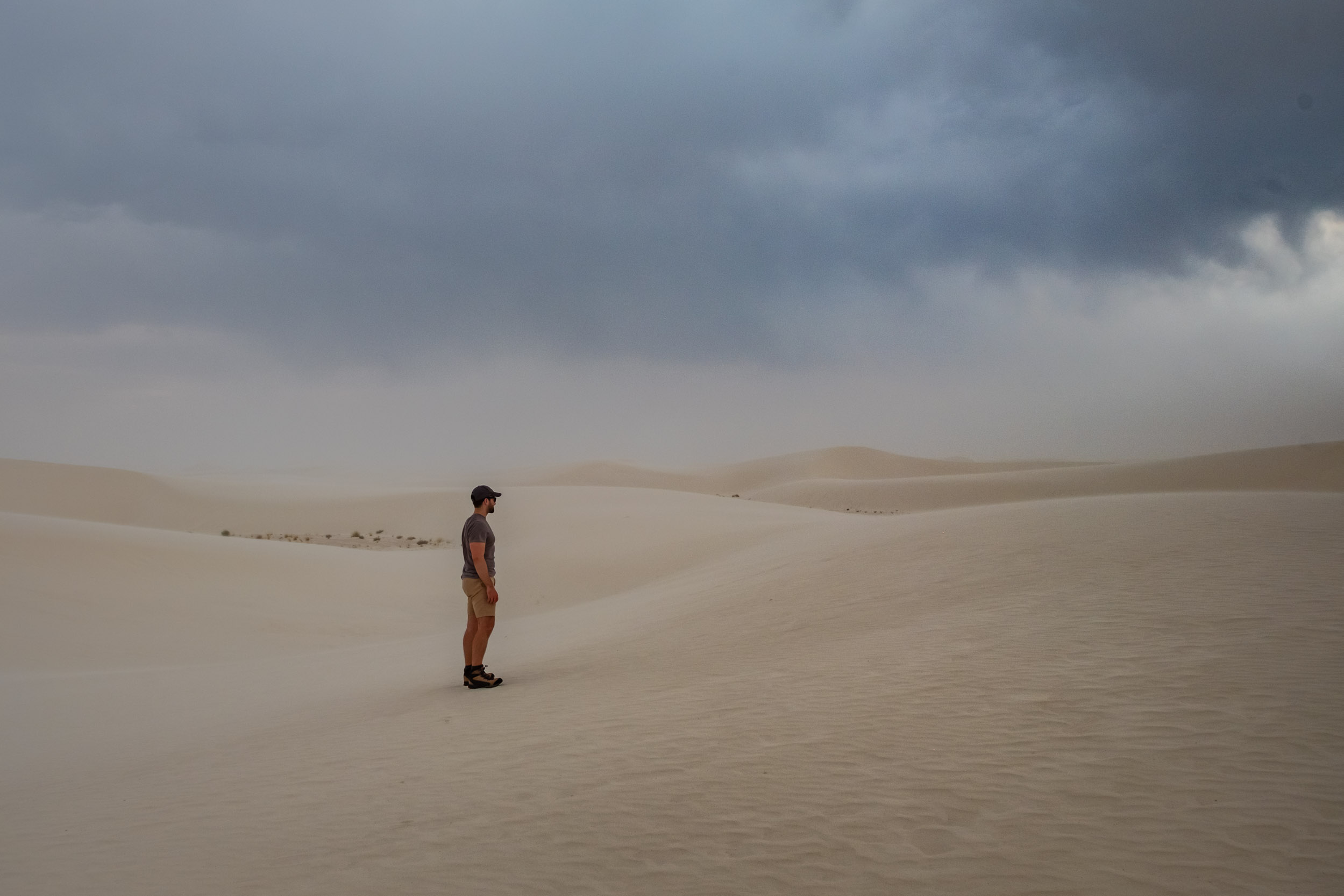
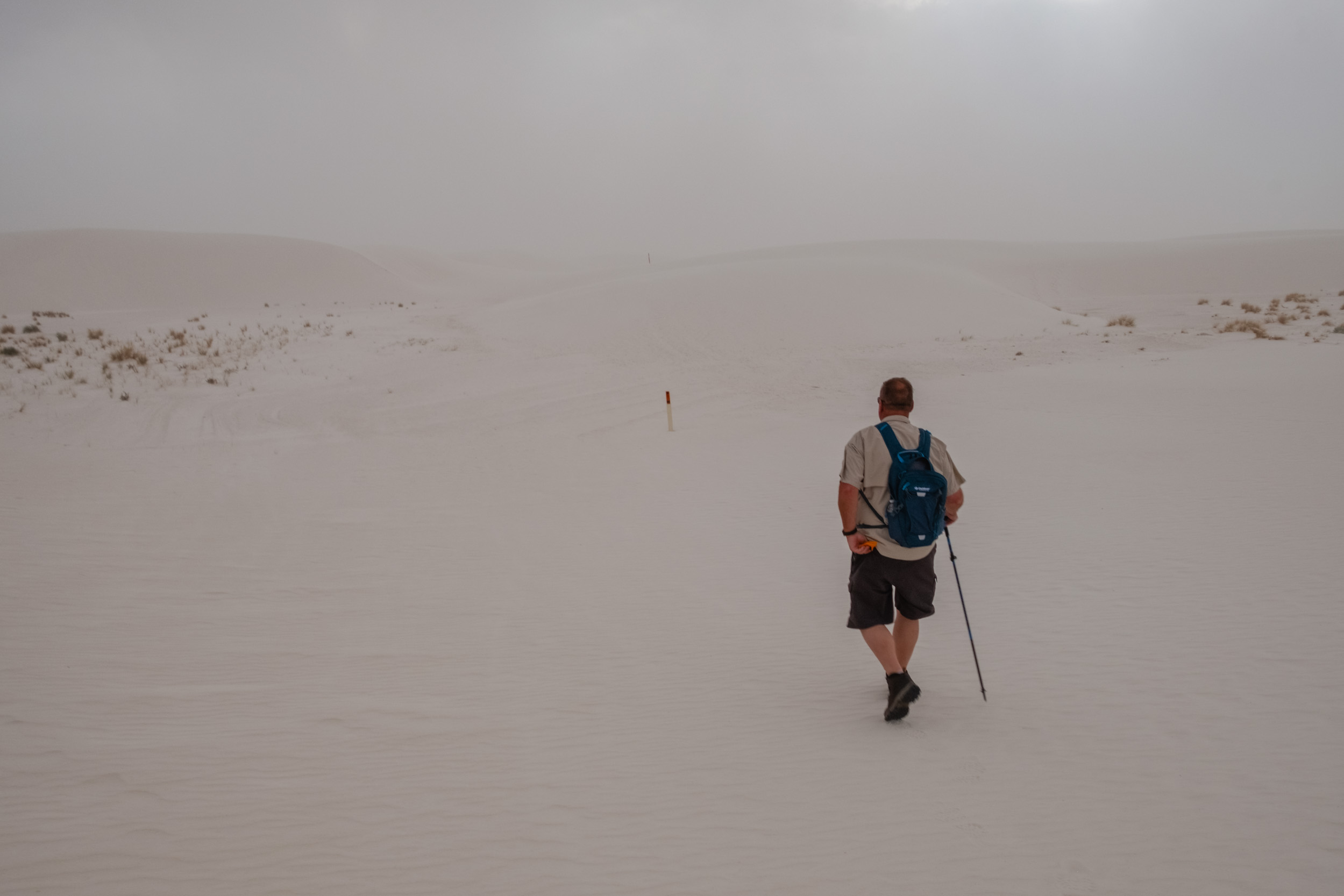
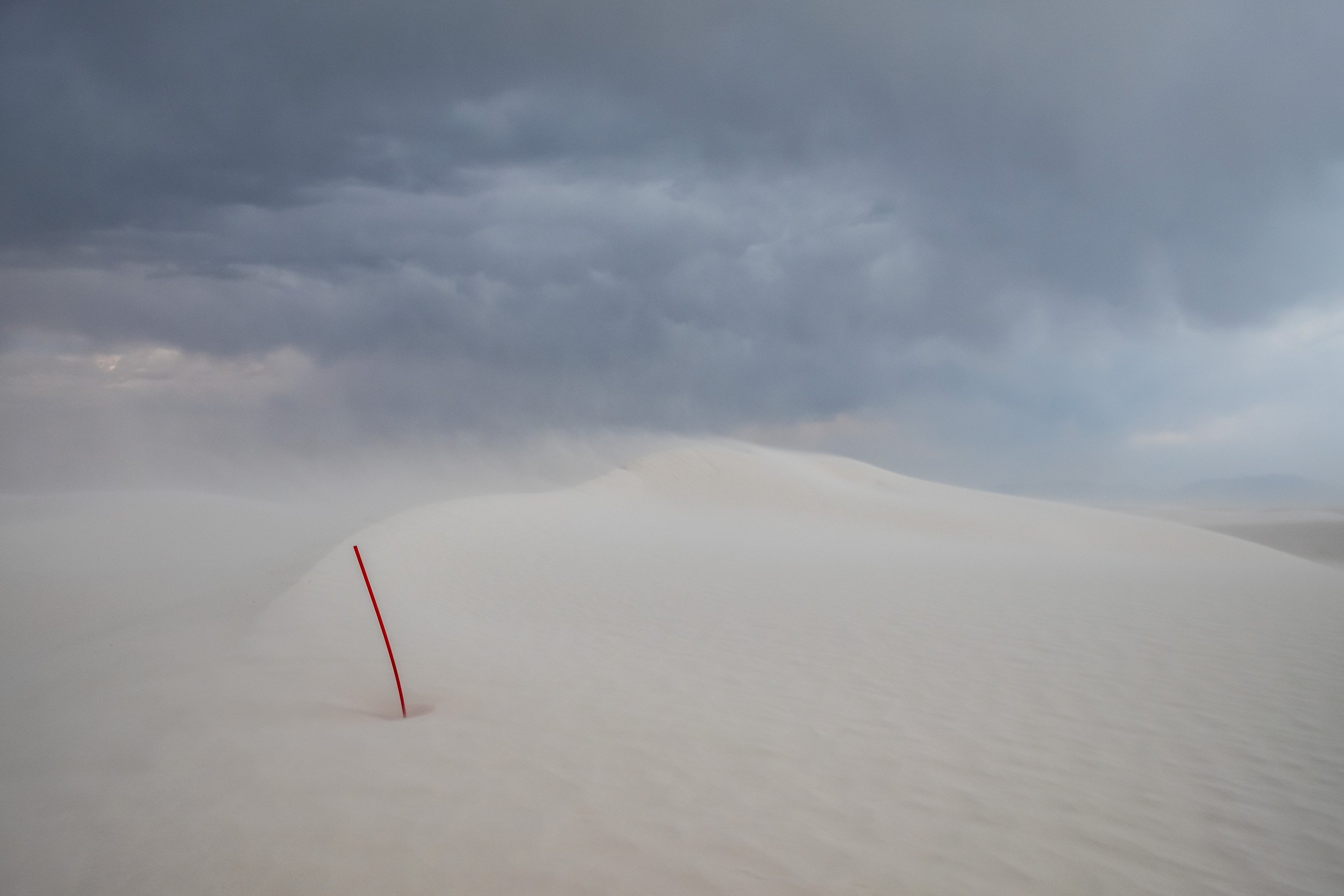
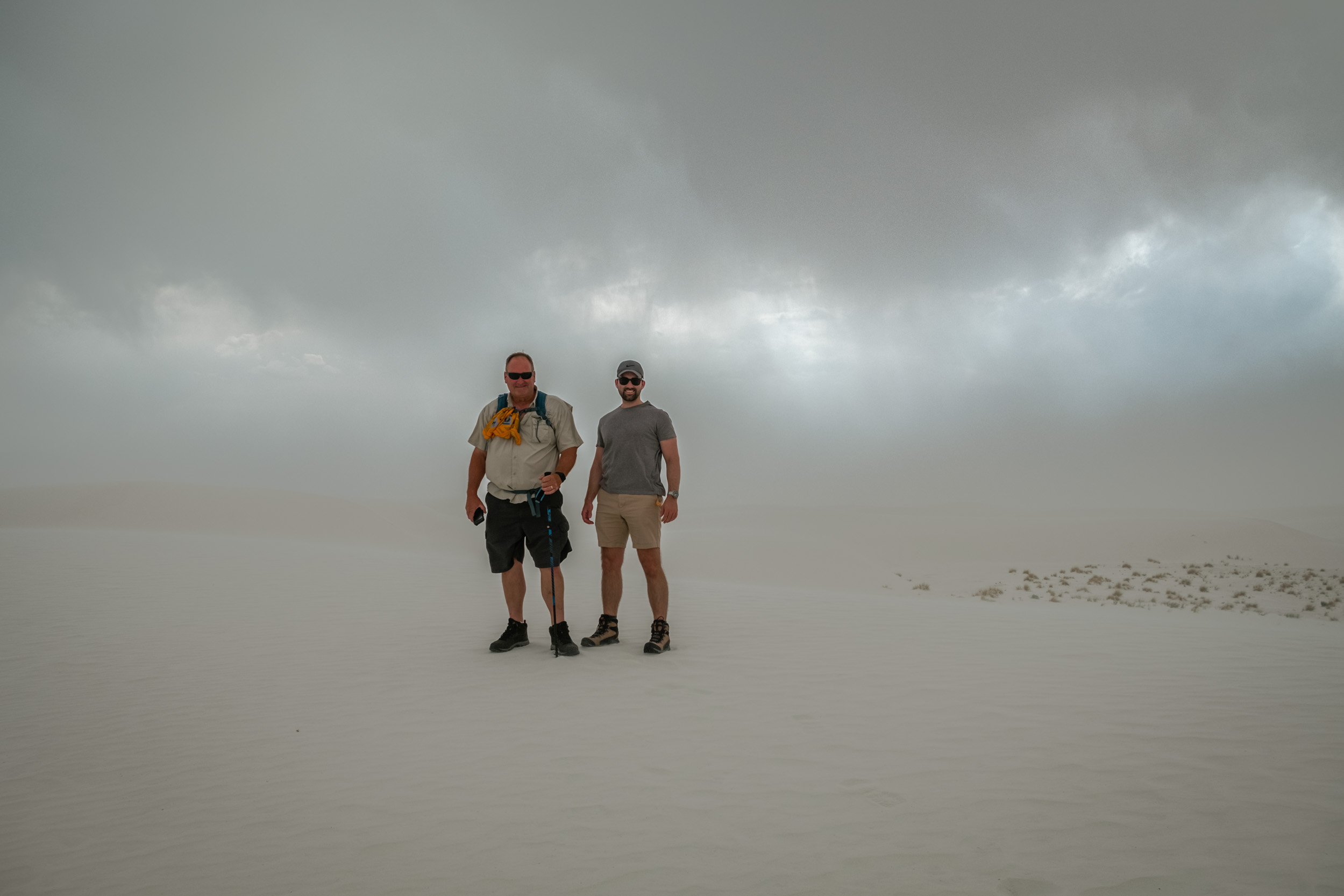
As the storm kicked up sand, we lost sight of the mountains in the distance, but continued our hike deeper into the dunes. Sand violently blew over the crest of the tallest dunes. My Dad and I posed for a picture after the storm mostly blew over.
With no trees, bushes, man-made structures, or really anything else other than giant piles of sand, we had no place to shield ourselves from the sandblasting. We simply had to exist until it was over. We figured there was no sense in continuing to venture further away from the truck in conditions like this, so we began heading back toward the parking lot.
And after what was probably about twenty minutes, but seemed like two hours, the storm moved over and away from us and the winds subsided. We were left with clear sunny skies, a residual coolness in the air, and an incredible new experience.
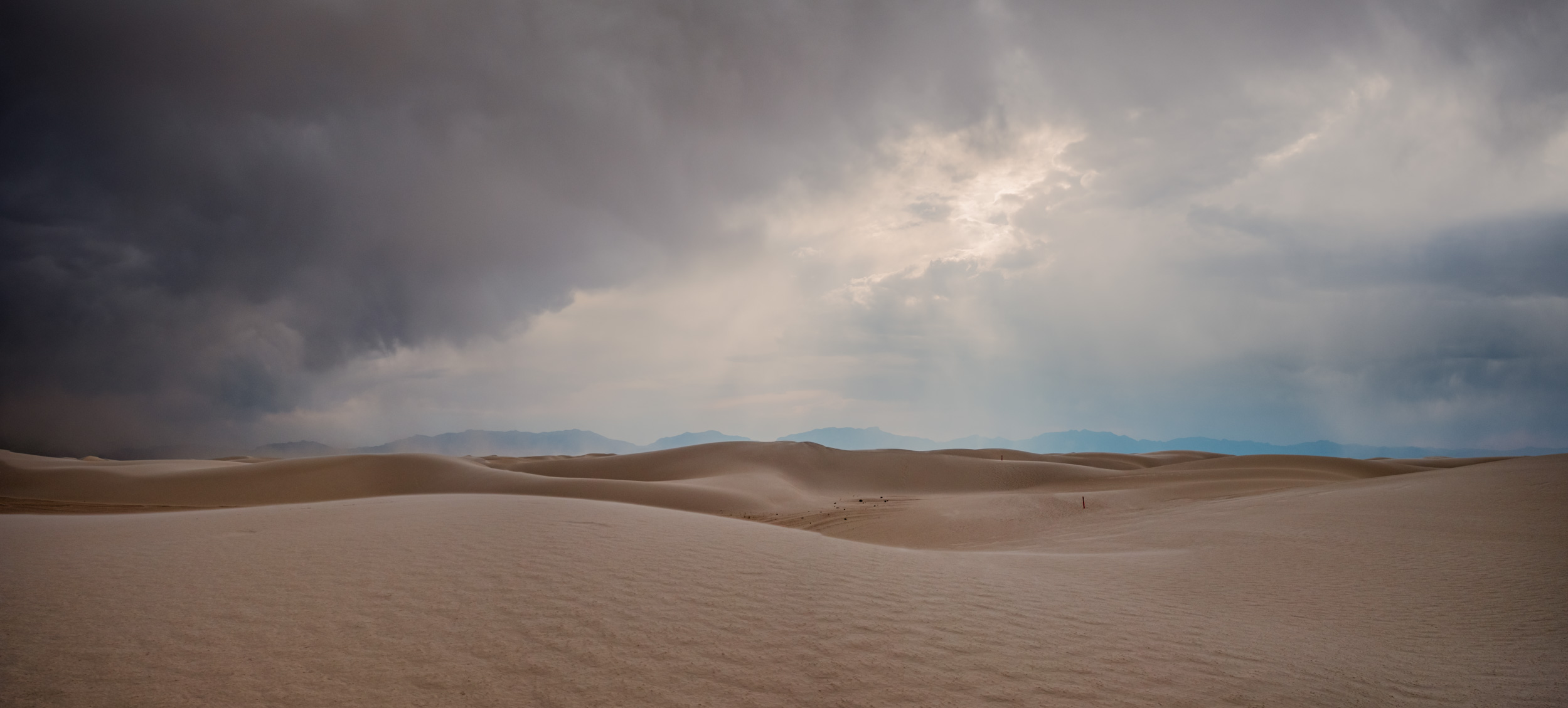
The staggeringly beautiful view on our way back to the truck, looking back at the mountains in the distance as the storm moved on.
Back at the truck, we shook the sand out of our boots sitting on the tailgate. And then, we drove out of the park and hit the open road toward El Paso to the South. This route technically took us further from our destination in Ohio, but was necessary because given our agenda. The next day, we’d visit another relatively infrequently visited national park: Guadalupe Mountains National Park. And El Paso sat about halfway between White Sands and Guadelupe mountains, assuming you take major highways.
It was a relatively short drive, only about an hour and a half, and it seemed that almost immediately after setting out we hit the outskirts of El Paso. And once we did, the sprawling city seemed never ending. As soon as we reached the city limits, one story buildings stood on either side of the highway with business names glowing on signs projecting into the sky. As we got closer and closer to the downtown area, these buildings grew denser and denser, with almost no space between them. The business signs competed for visual space at different elevations and parking lots and sidewalks filled what little groundspace was left undeveloped. I don’t remember a single tree or bush or blade of grass. Flat-faced, flat-roofed buildings with typical rectangular glass windows repeated for miles and miles, each one existing only for the purpose of being occupied by a business, with no attempt at architectural taste. This was a relatively mundane drive down a highway turned some combination of depressing and amazing. It was like a modern-day equivalent of Officer K flying into LA in Blade Runner 2049.
Nowhere else had I seen such a long stretch of unvaried commercialization. Sure, New York City, San Francisco, and LA most definitely have more dense commercialization. But in these places, there’s always some thought to the broader look and feel of the development. Although sometimes unsuccessful, in these other places it at least seems as if there was an attempt to plan city development in a way that makes people want to spend time there. But from my current vantage point on I-10 through El Paso, I really couldn’t imagine that any such attempt at city planning had been made here. In any case, I knew that judging El Paso from the highway would be the very definition of judging a book by it’s cover. So, I put my thoughts aside and continued onto the Hampton Inn, and another night on the road came and went.
We awoke the next morning, ate the always wonderful Hampton Inn Breakfast, and hit the road toward Guadalupe Mountains National Park. Once the commercialization of El Paso was in our rearview mirror, the sights out the windows of our truck were stereotypically Texas. Wide open land with the occasional windmill or dust devil. About an hour and a half into our drive, we saw the rocky face of El Capitan through the dusty air. This El Capitan (obviously not the Yosemite one) is the southernmost point of the Guadalupe Mountains and eighth highest peak in Texas. This landmark drew closer and closer, until eventually, we turned left off the road and into the park. And after a quick visit to the park visitor center to add to my collection of national park mugs, we set out on a hike in the mountains toward Guadalupe Peak.
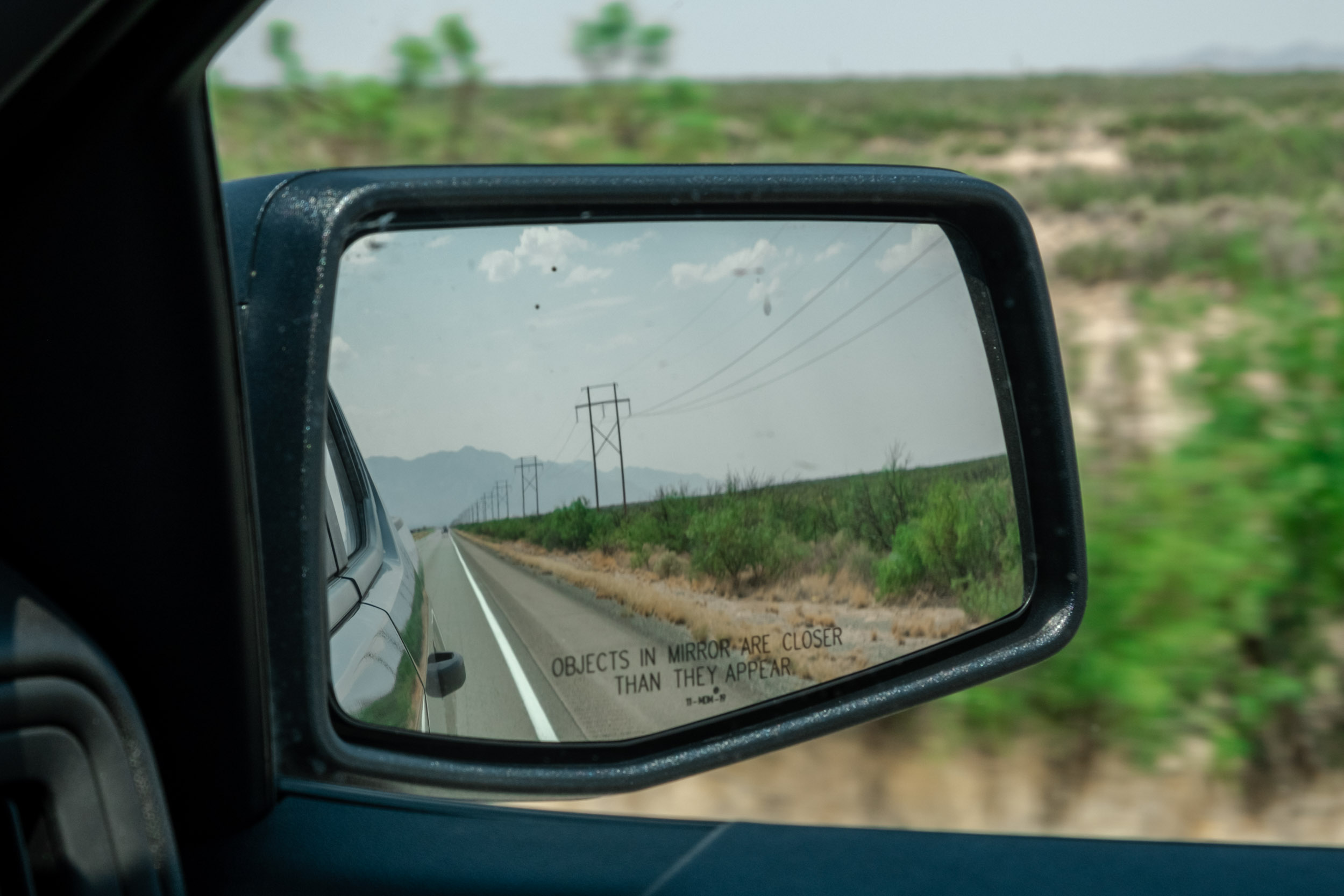
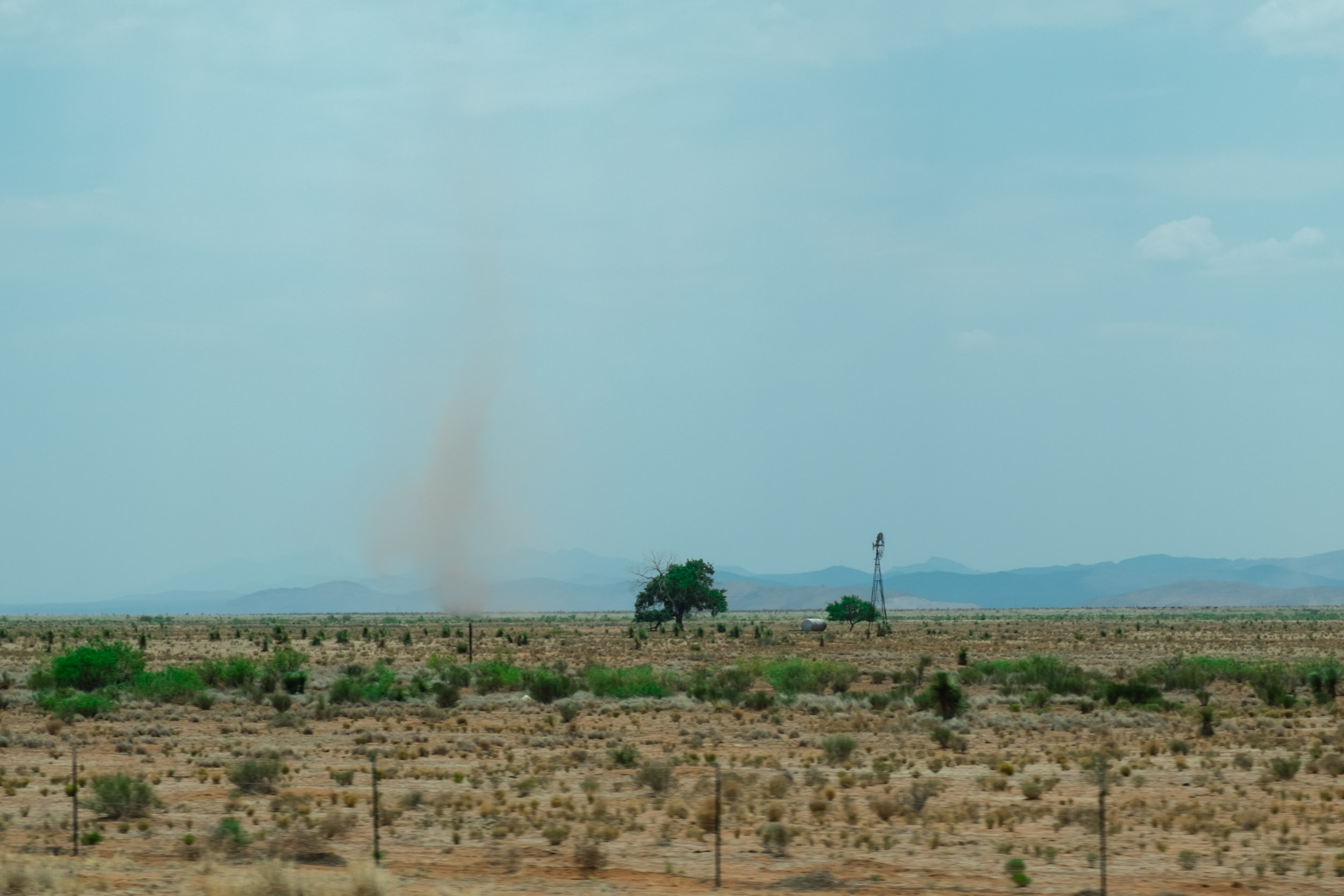
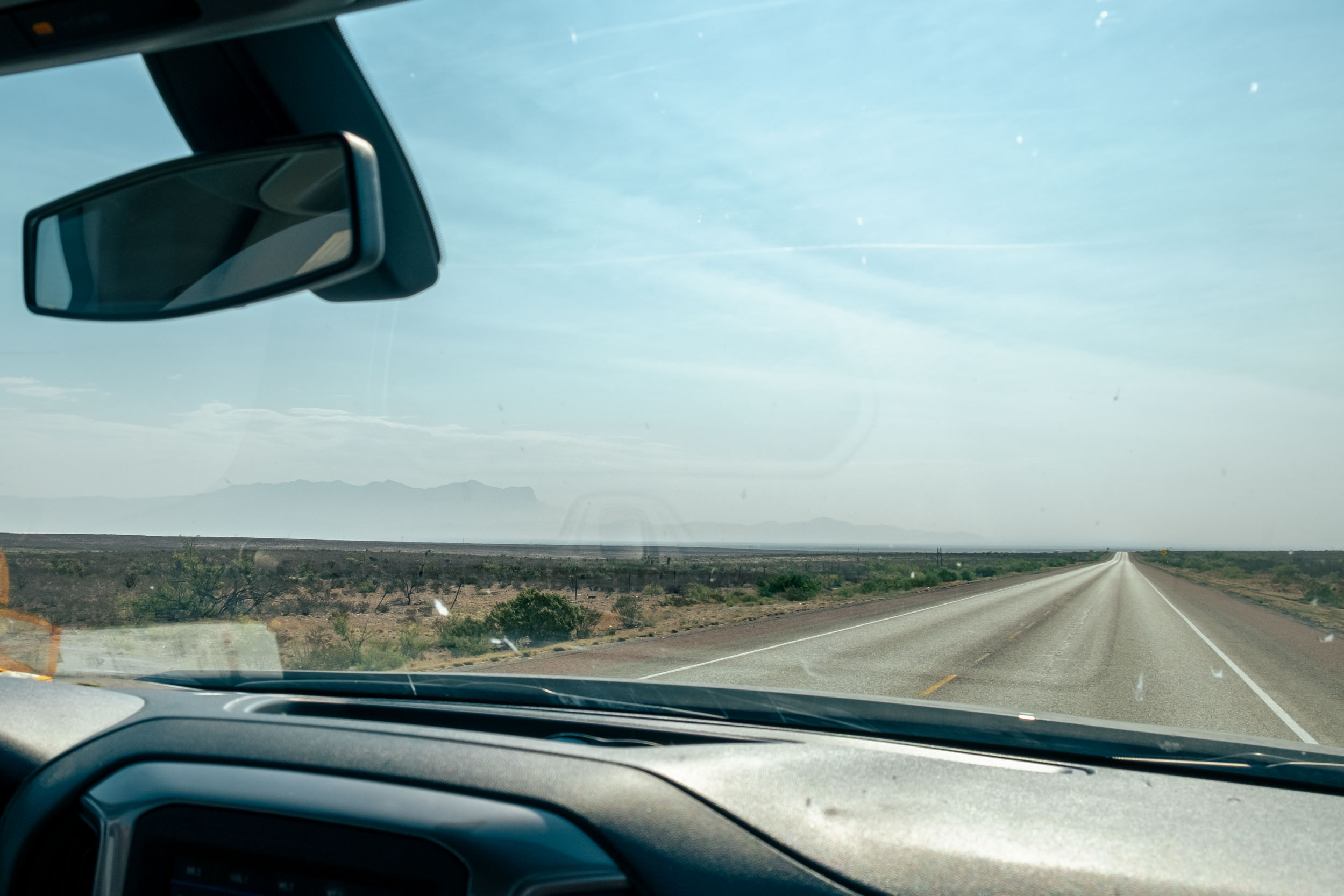
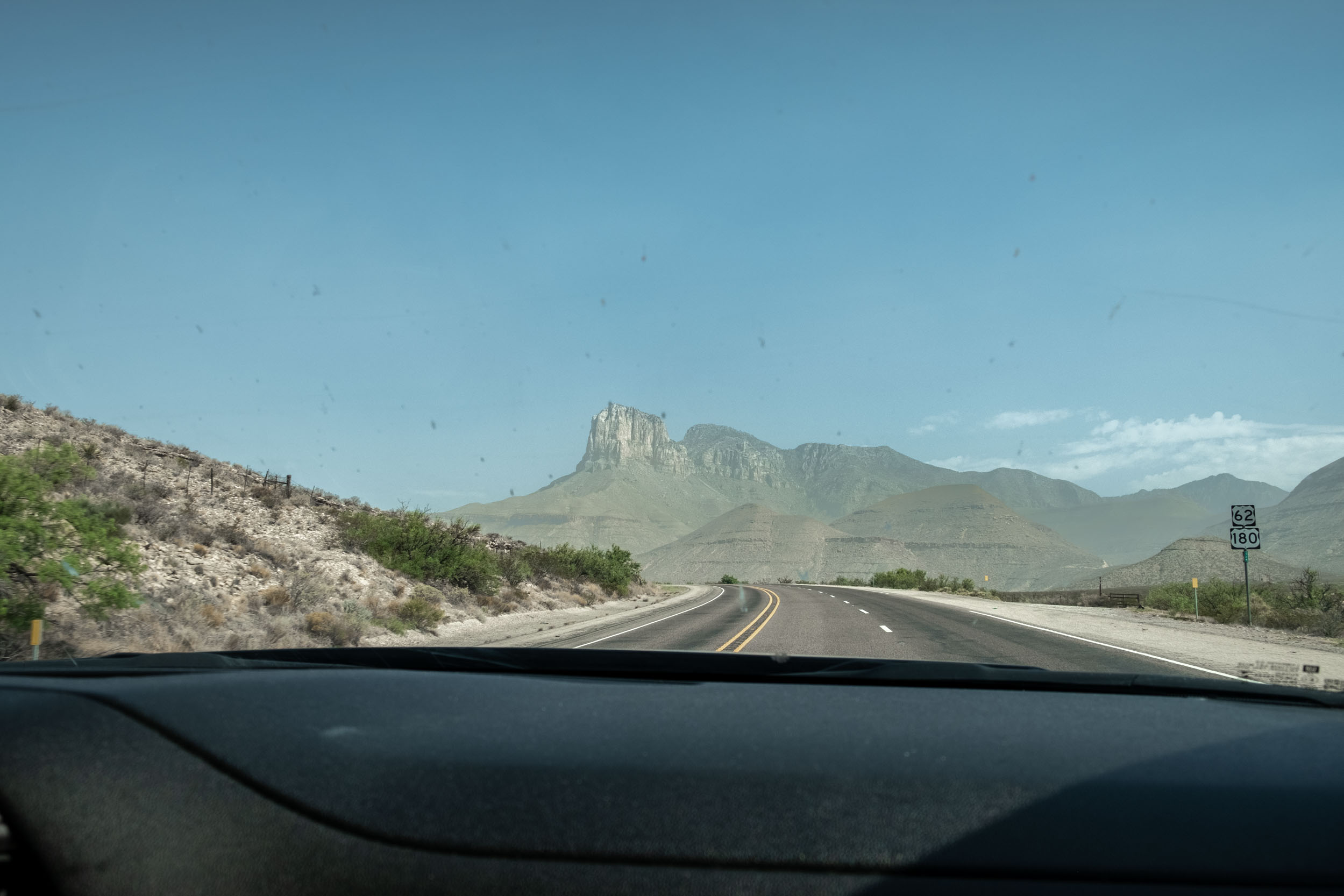
Driving through western Texas en route to Guadelupe Mountains National Park. I was lucky enough to capture a photo of a windmill, a lonely tree, and a dust devil standing next to each other. Looking out the windshield, the mountains of the national park came into view. And as we turned a final bend in the road, we saw El Capitan (not the Yosemite one) come into view.
Starting from the Pine Springs trailhead, the hike was a relatively simple one, constantly gaining elevation while traversing countless switchbacks toward the peak. Given that the primary purpose of our trip was driving back to Ohio, and not fully exploring national parks, we unfortunately only had a few hours here. As such, we knew we likely wouldn’t make it to the top and back down before we needed to ease down the open road. So, we set out with the simple goal of getting as far up the mountain as we could in the time we had, enjoying the experience and views along the way.
The hike was a hot one, to be expected in Texas in late June, I suppose. Our ascent rewarded us with fantastic views out over the open land to the South. The highway we used to get here was a minute curvilinear black line in the distance below, with cars appearing as colored specs following its course. We eventually came to a spot in the trail with a small shelf of land off to the left which served as a sort of viewing platform down at the scenery below. And with our time running short, we used this shelf as our turnaround point, soaking in the views before descending back over the rocky switchbacks to our truck.
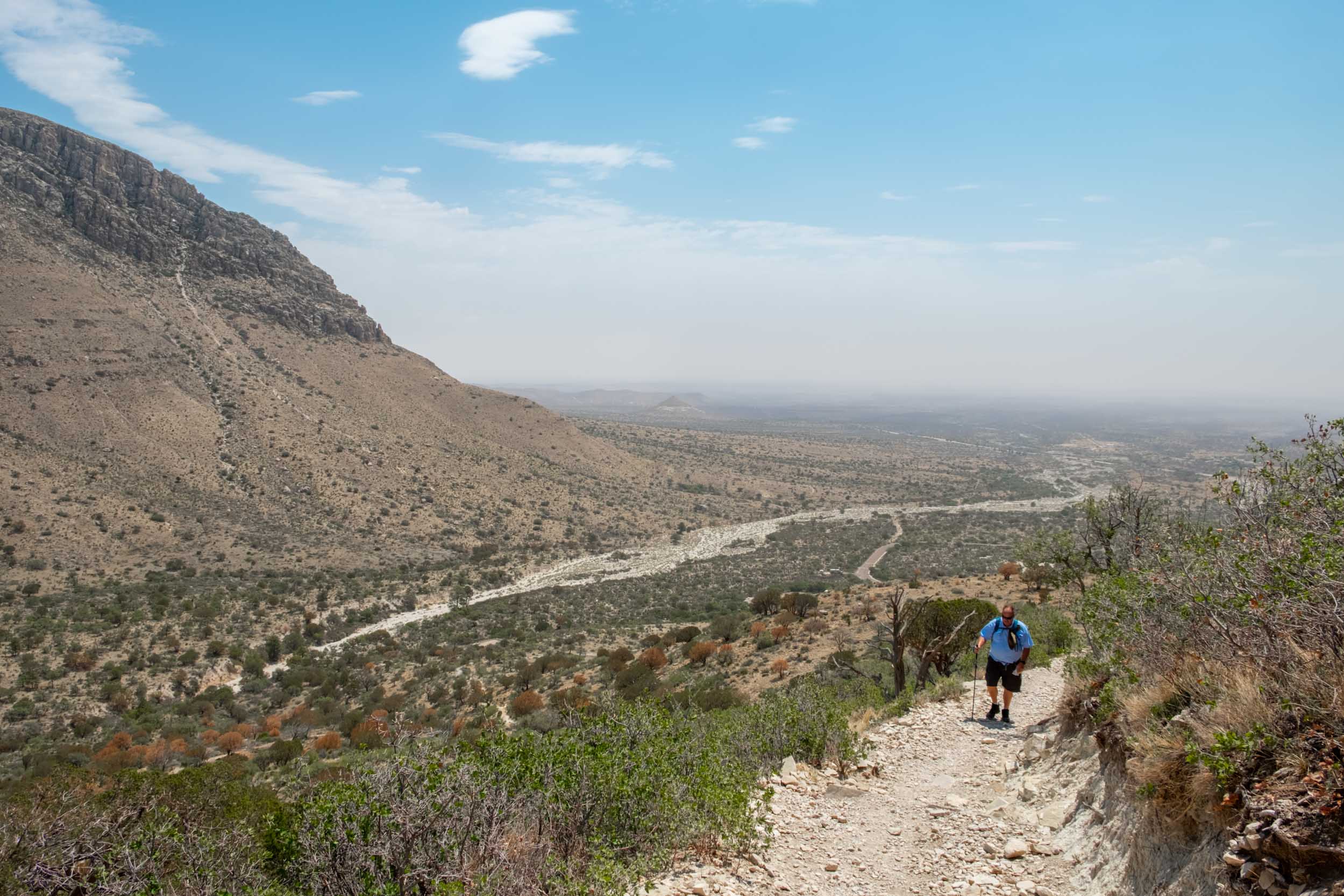
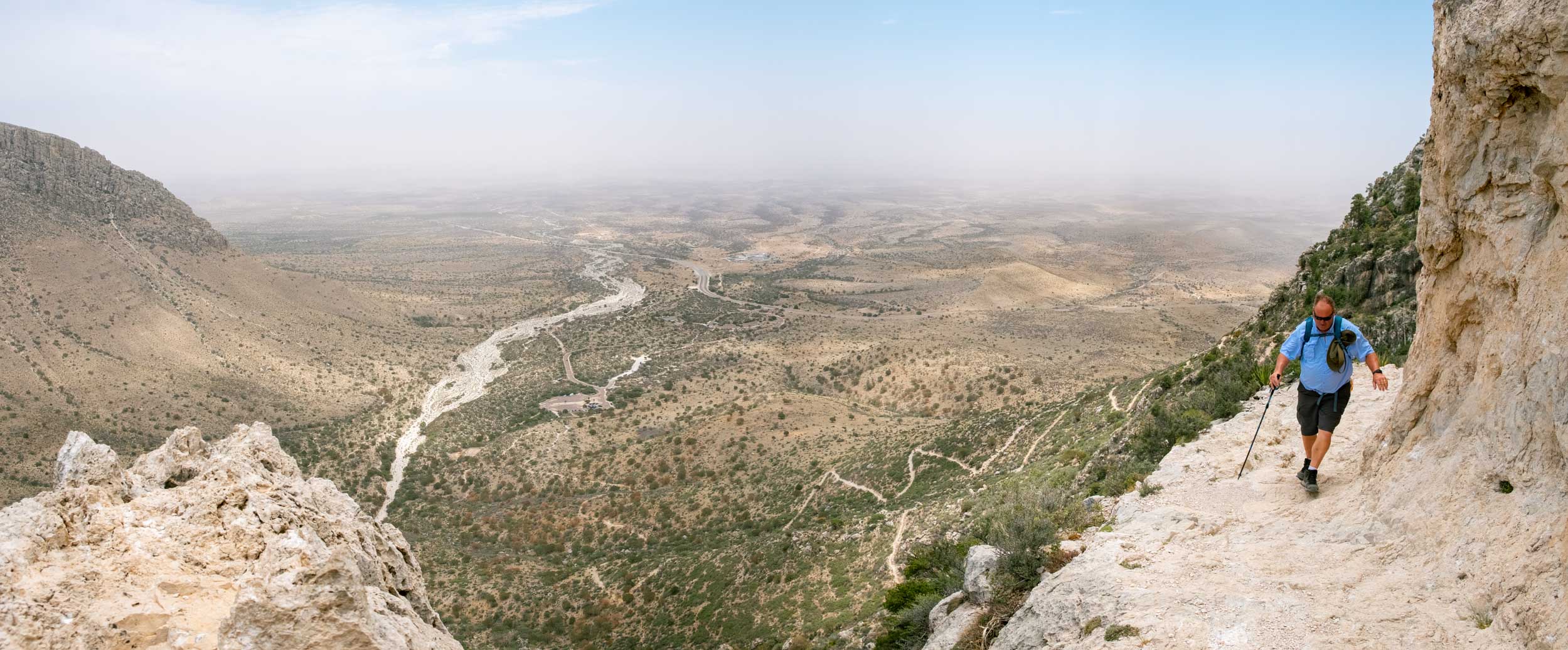
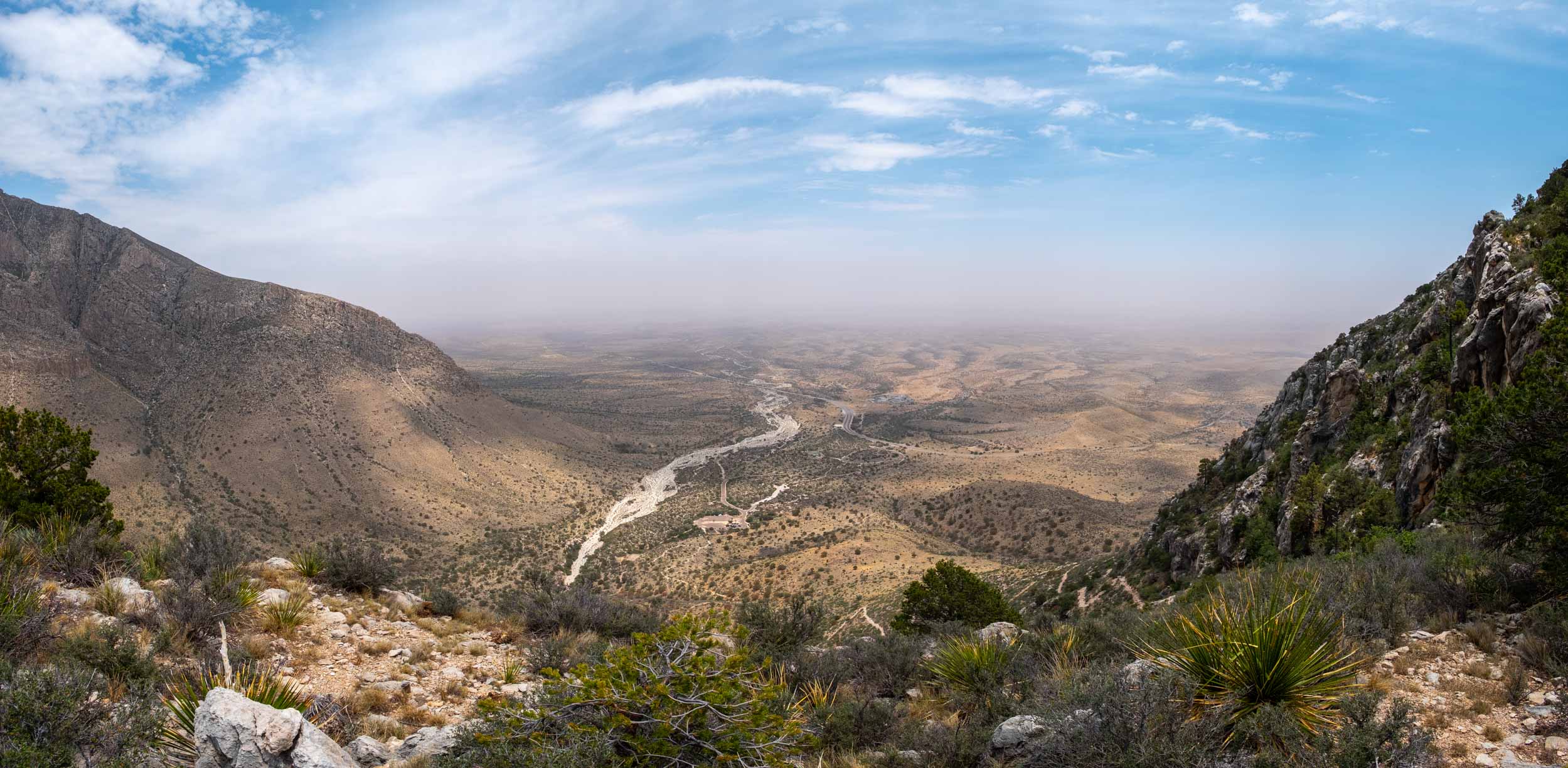
We climbed up switchback after switchback until we eventually found a viewpoint suitable enough to serve as a good turnaround point.
Back on the road, we drove north. A bit further up the highway was Carlsbad Caverns National Park. We hadn’t planned a stop here, but couldn’t resist the temptation to drive up to the visitor’s center and see what we might explore. Unfortunately, the exploration of the giant series of caverns happens only during reserved time slots, and we had just missed the last one. So our visit here was cut short and we continued our drive North first through Roswell (we unfortunately didn’t see any UFOs) and then to the Northeast toward Amarillo. As was the case throughout this adventure, we had no plans of stopping until we felt the need to rest. And this feeling didn’t hit until we were through Texas and almost out of Oklahoma. A few miles past Tulsa we made the decision to pass the night in Springfield.
Another night behind us, we woke up early the next morning for our last day on the road. About nine hours of driving was all that stood between us and our end goal of Dayton, OH. From Springfield we drove about three hours to our first and only stop of the day: The Gateway Arch. I’d driven past this iconic structure several times on my previous drives to and from the Western US, but this would be my first time stopping to see it. Off the highway, we drove down a few tight St Louis streets, into a paid public lot, walked between some buildings and under a suspended roadway, and arrived at a long walkway lined on either side by trees. And between these lines of trees, the Gateway Arch stood majestically. I remembered pondering how something so simple could be so poignant.
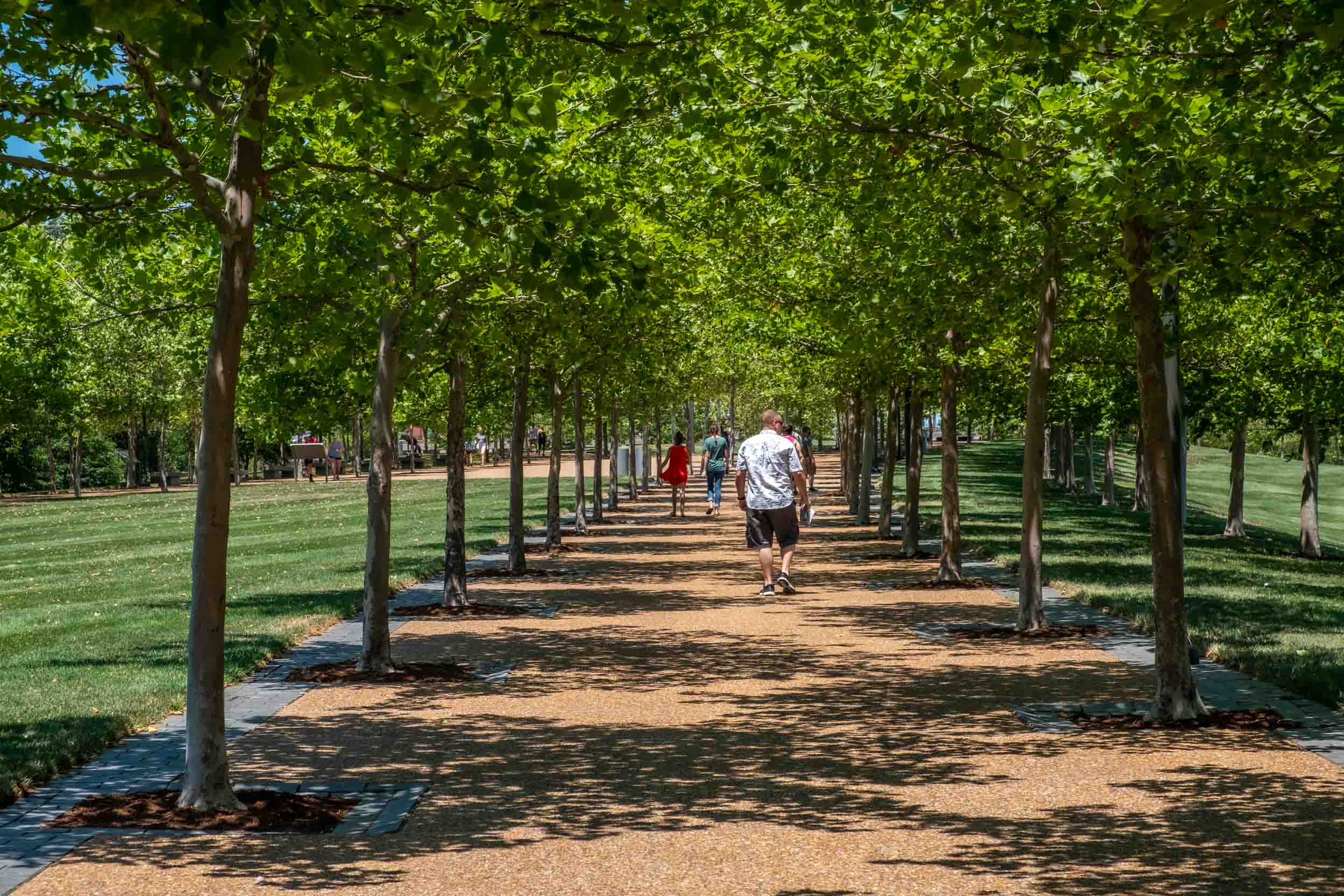
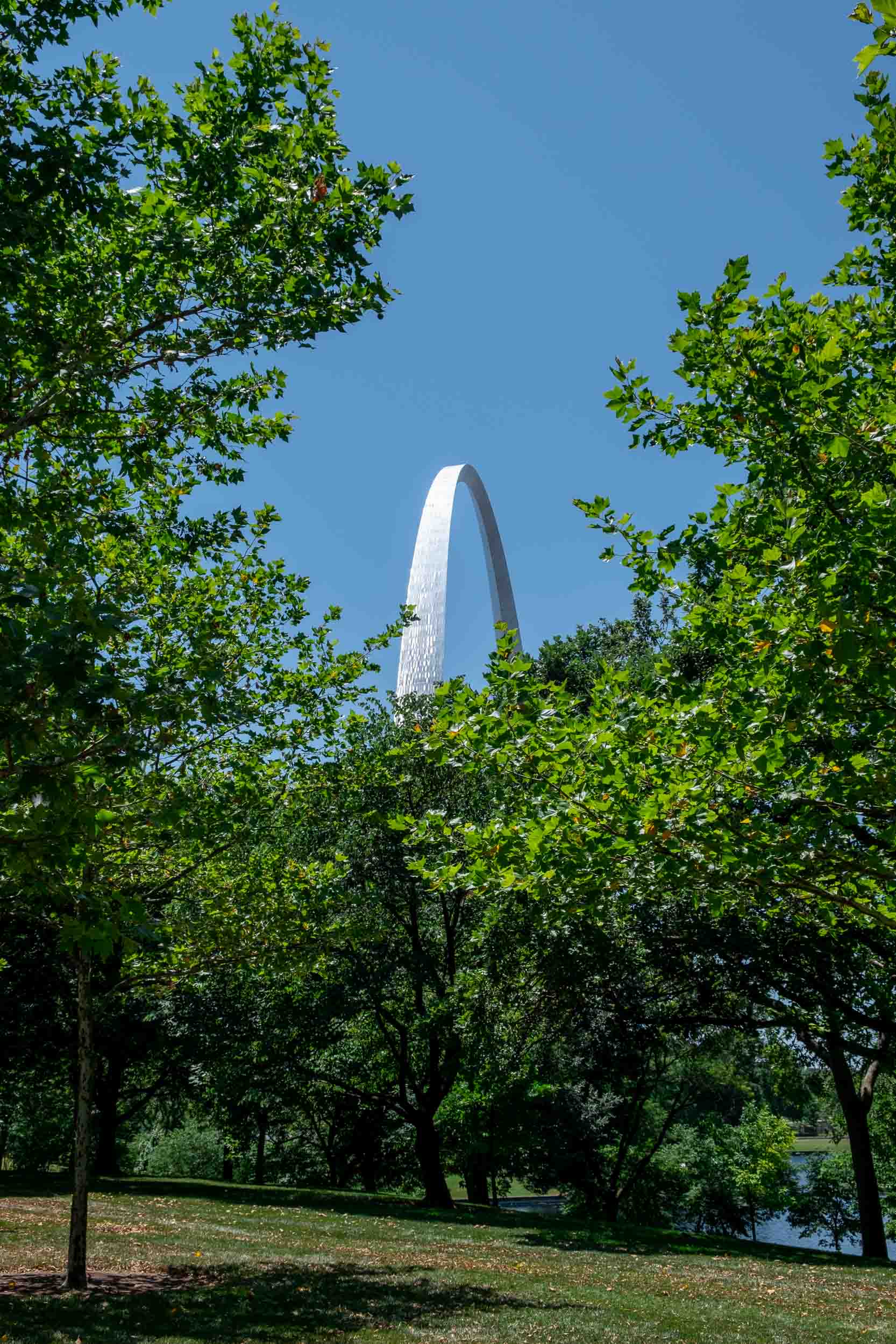
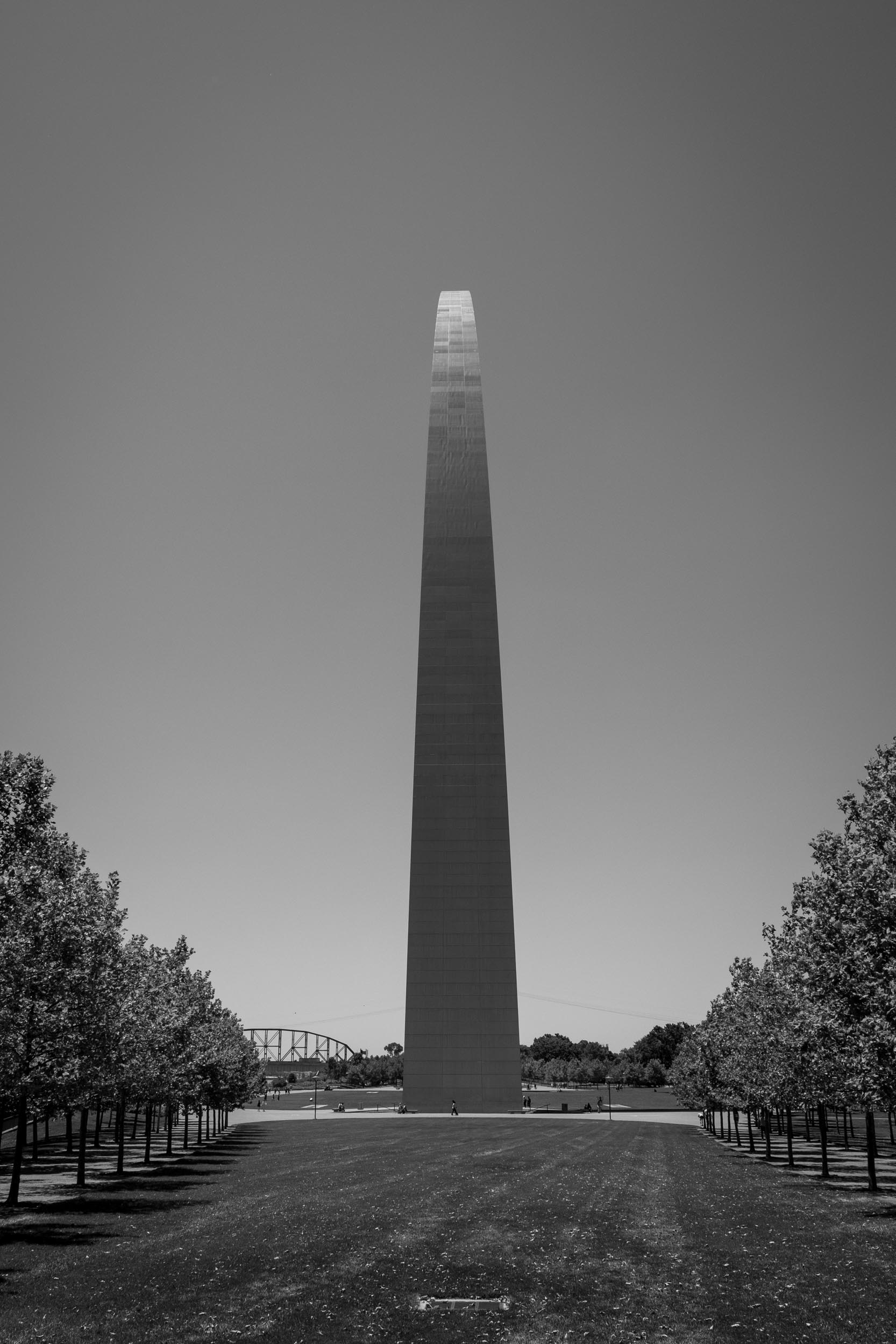
We walked down a brick path lined by trees and saw the Gateway Arch peering over them. And eventually, the trees diverged and the arch’s simple but poignant structure stood in the distance.
We continued walking closer, the Arch’s slightly reflective metal faces growing more obvious as we neared. A barge floated by in the river behind us, a helicopter shuttled people around in the sky above, and my Dad and I stood at the bottom of one of the arch’s piers where it connected to the ground, staring up 630 feet above our heads.
I reached out and touched one of the corners of the structure’s triangular cross-sectional base, impressed with the precision of the weld. And especially after being so unimpressed with the highway-facing parts of El Paso, this intentionally designed, beautiful structure was a welcome sight.
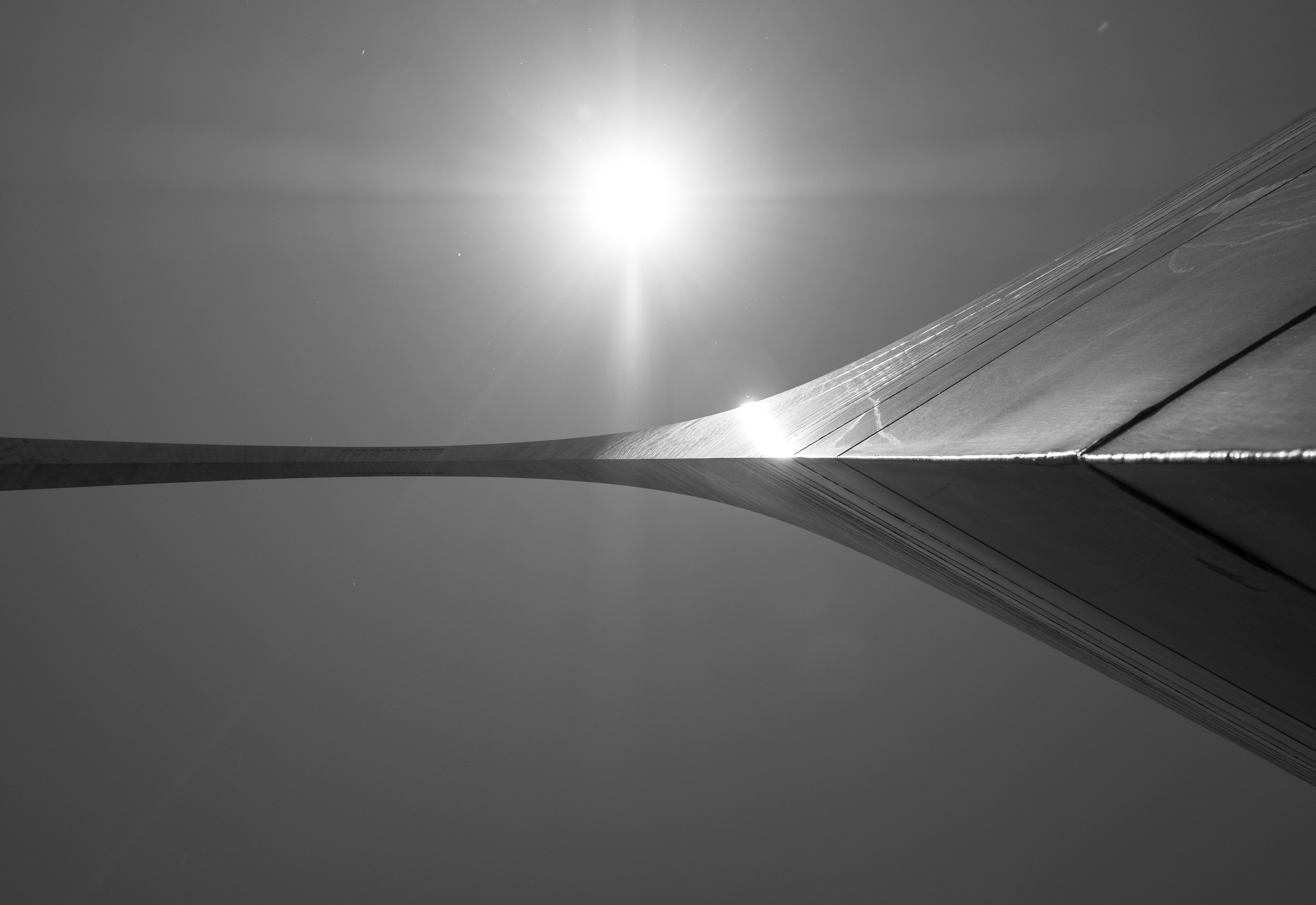
I looked up at the arch, impressed by how perfectly straight its lines were, and how perfectly formed its welds were.
We took some time to visit the underground museum detailing the Gateway Arch’s conception and construction, and ate lunch at a small café, before resurfacing to the ground level and walking back to the truck. Leaving St. Louis behind, we drove another six hours to Dayton, OH, completing this week-long cross-country move and national parks tour.
I look back on the experience now as a cherished memory. It was the start of my life in a place I could call my own, and a fantastic collection of new experiences with my Dad.
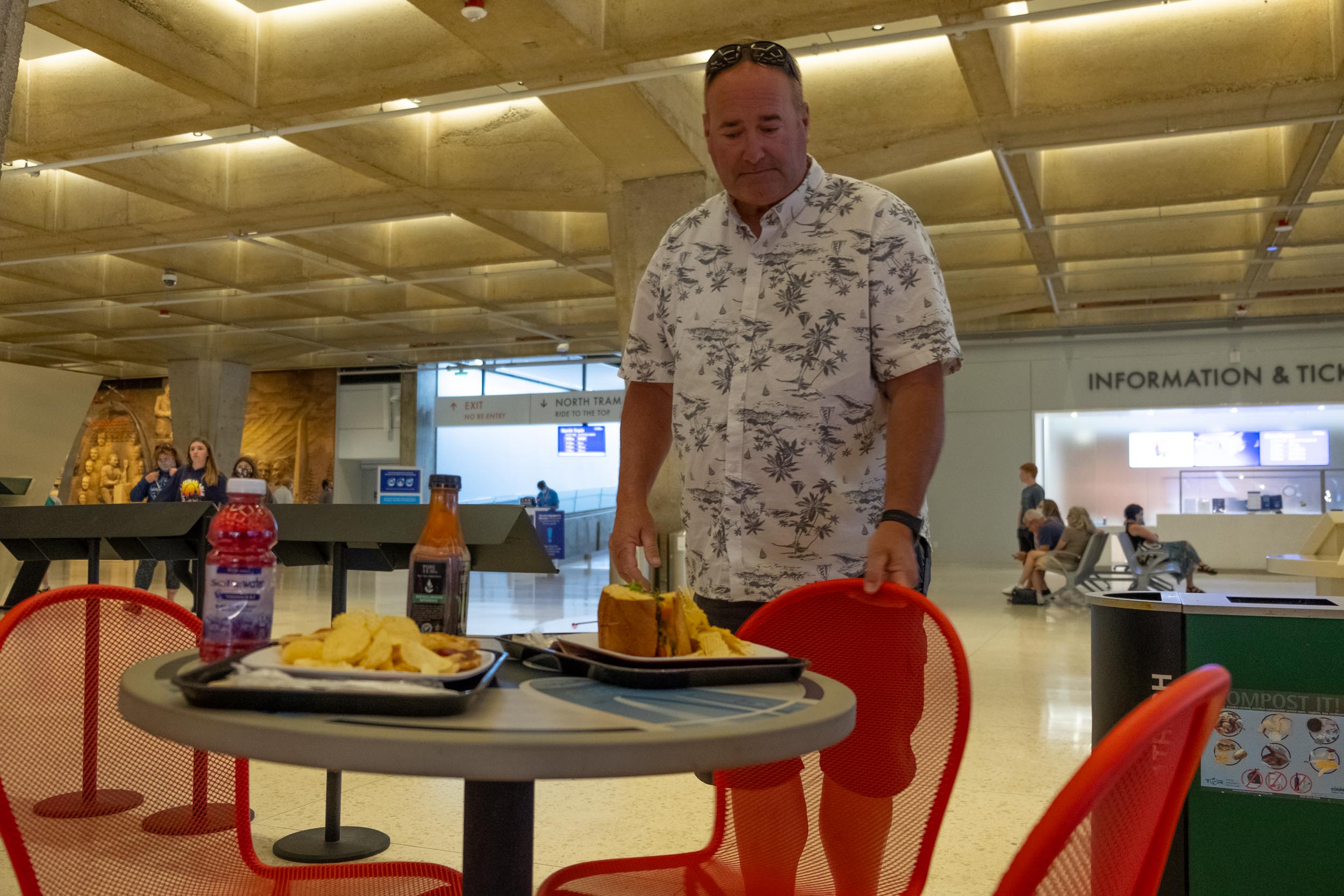
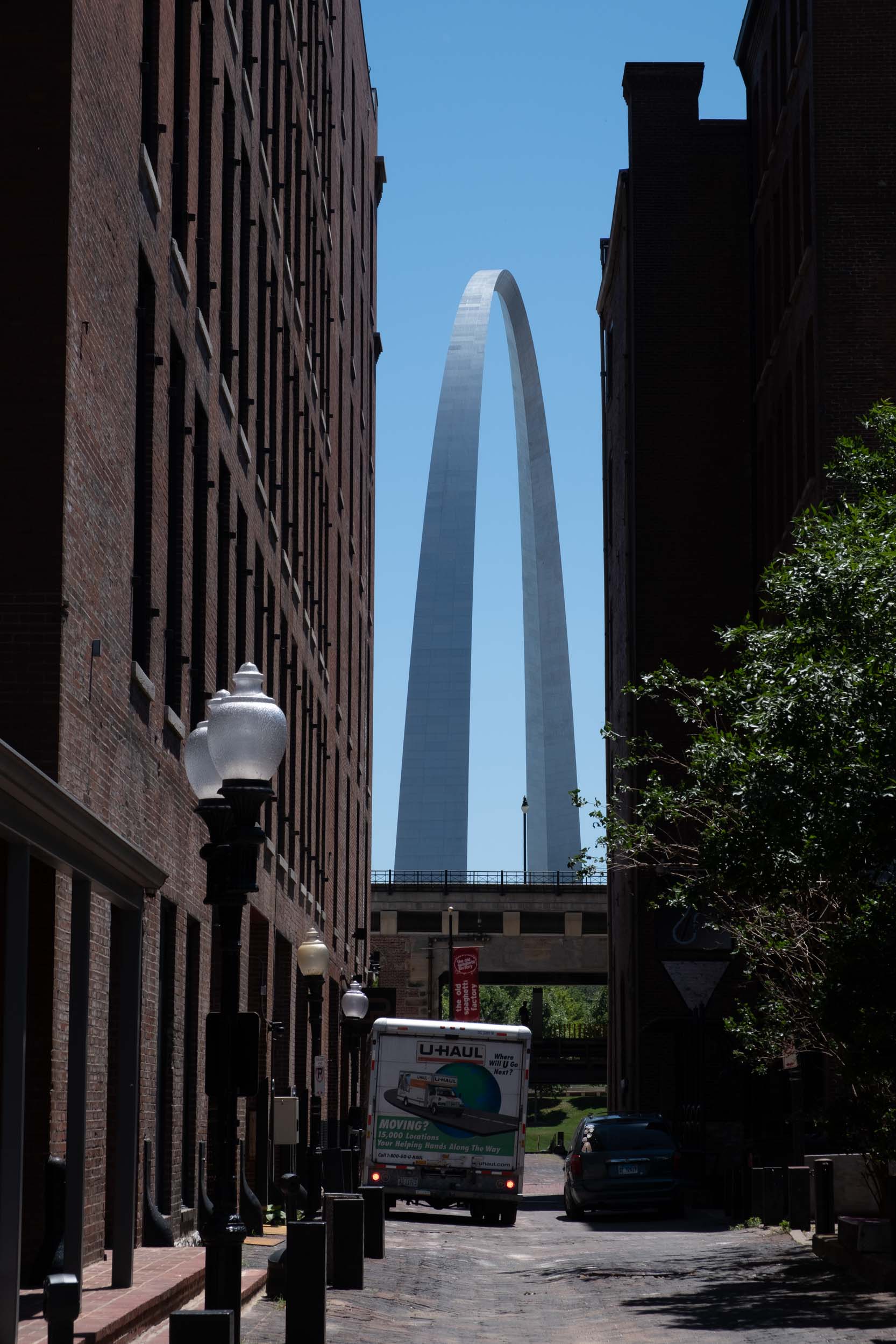
Stopping for lunch under the Gateway Arch, and our last view of the arch between the buildings of St. Louis before our final few hours on the road.