INTRODUCTION
As always, you can view the photographic narrative for this story below. What is a photographic narrative?
I’ve lived in Tucson, Arizona, for nearly four years now, and have visited Biosphere 2 about eight times. This should give you some idea of just how much I enjoy it. Each time I visit I find myself leaving inspired by what small groups of people can achieve with enough effort and funding. It represents one of those rare projects that was somehow completed in spite of its unbelievable scope and expense, the latter of which had no real chance of being recouped. Visiting Biosphere 2 also stimulates a healthy dose of escapist fantasy, allowing me to imagine what it might have been like to live inside when it was being inhabited back in the nineties.
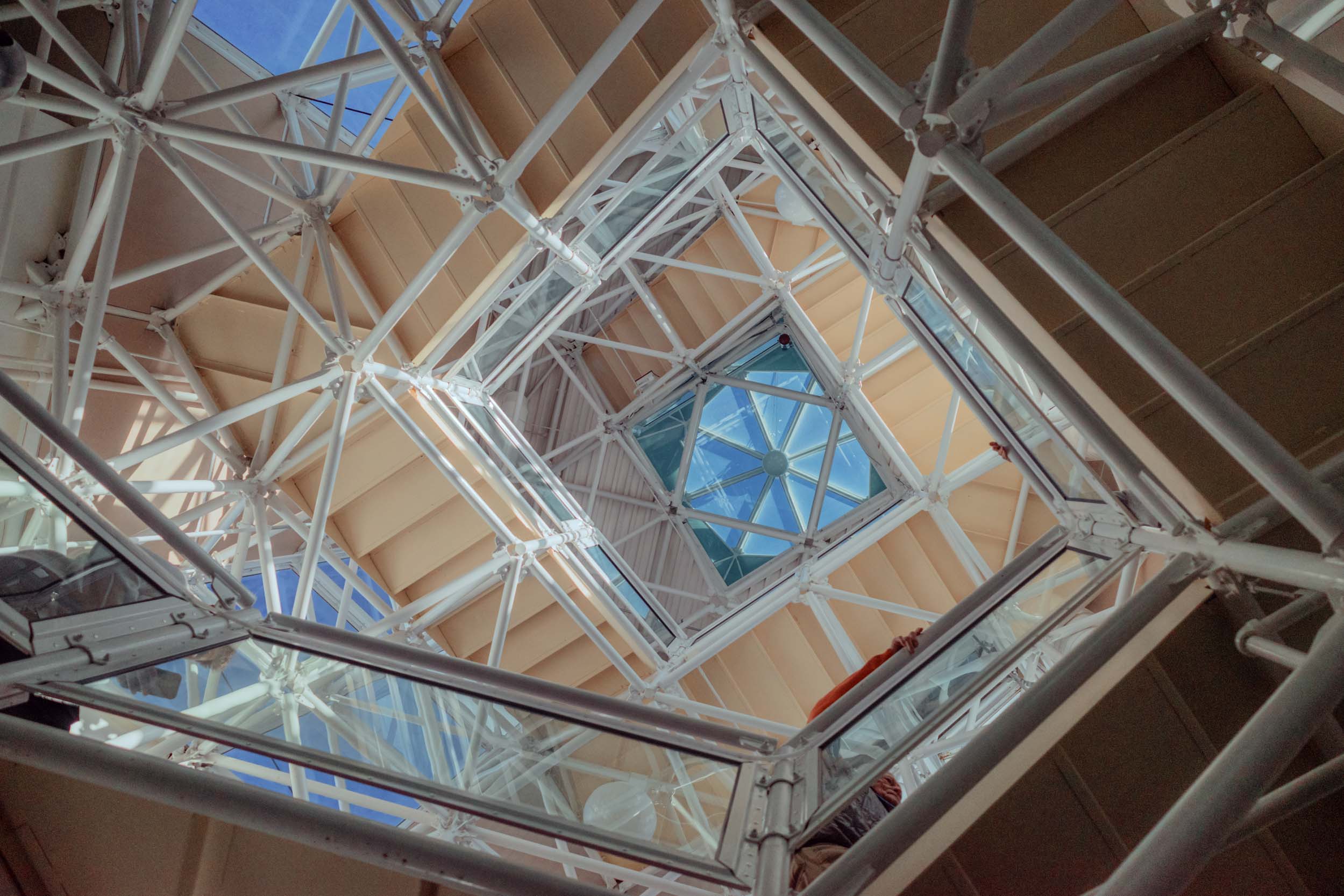
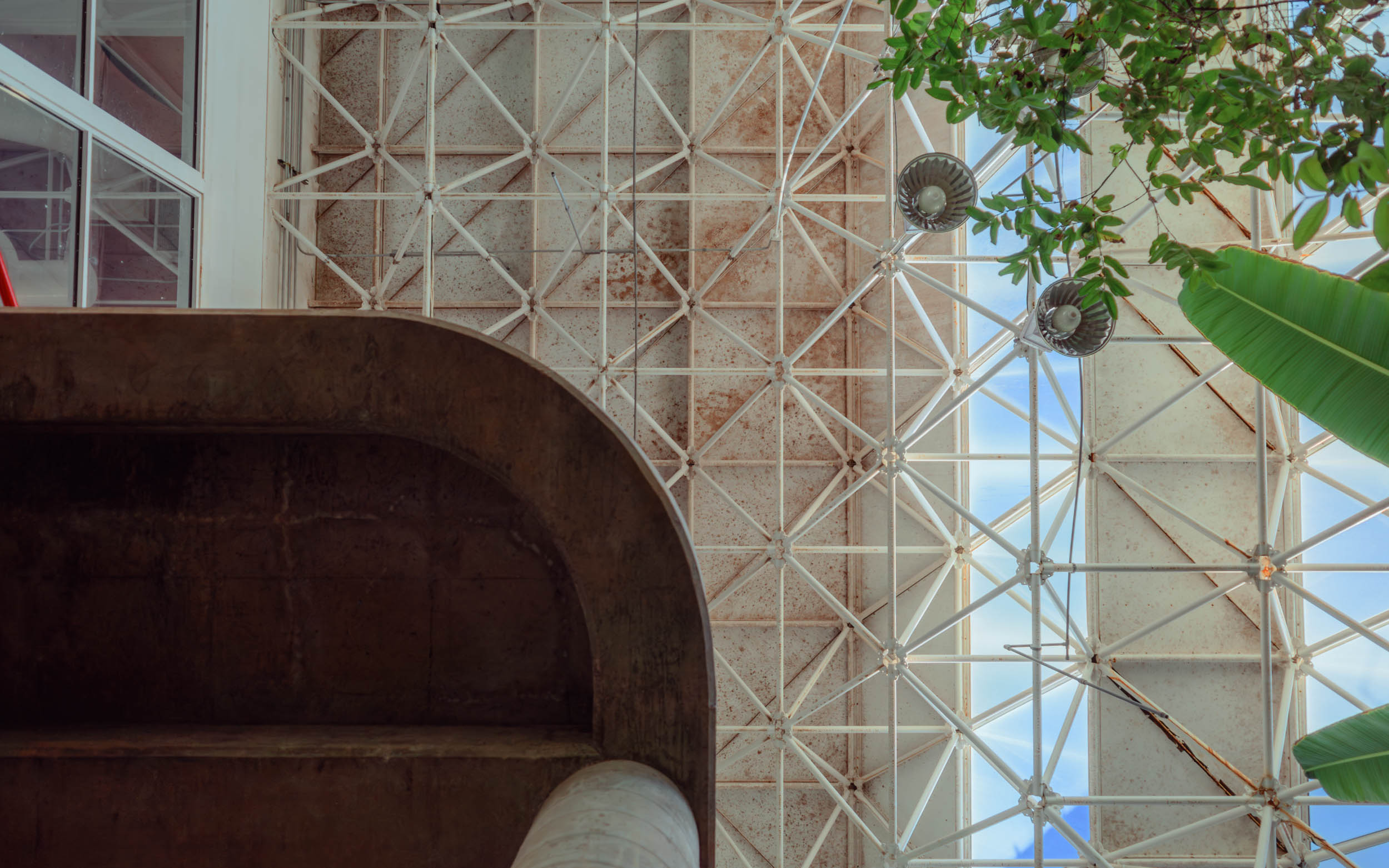
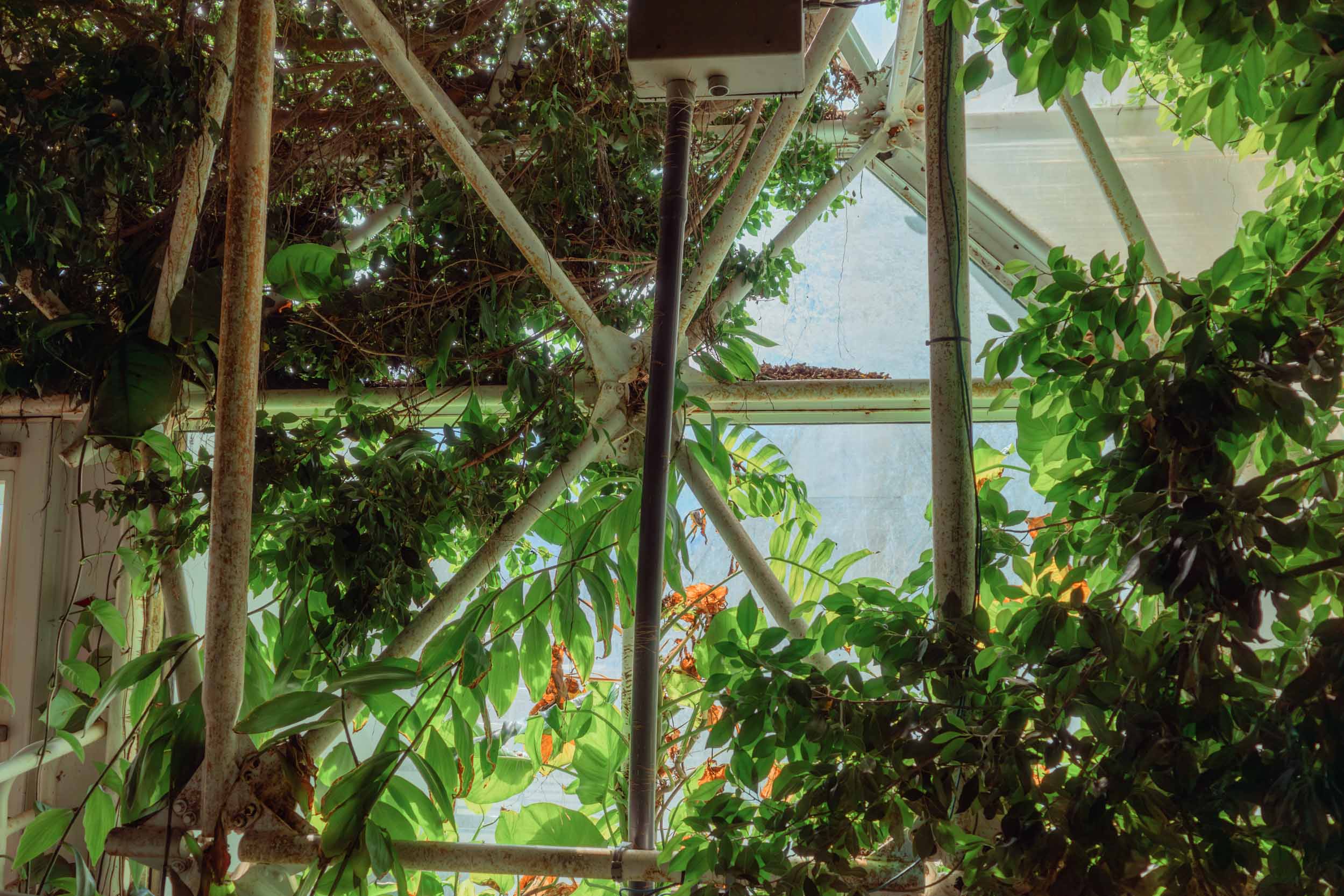
For those that aren’t familiar, let me provide a brief backstory. Biosphere 2 is a 3.14 acre series of biomes, all under one continuous man-made glass and steel structure, originally entirely sealed from the outside world (with a leak rate less than that of the space shuttles), inside of which groups of people lived for months and years at a time. These people who lived inside, termed “biospherians”, grew all of their own food and tended to the various biomes to keep the Biosphere 2 ecosystems in balance (e.g. the balance of carbon dioxide and oxygen) to allow for their survival. The project was conceived as a sort of baby step toward an eventual space colony, spearheaded by a group called the institute of ecotechnics (I think the people in this group are best described as a collection of slightly offbeat but forward thinking people who valued self-sufficiency). The first crew of biospherians consisted of eight people, who spent two years inside Biosphere 2 between 1991 and 1993, while a second crew of seven followed closely thereafter. The $200 Million dollar construction cost was fronted primarily by Ed Bass who made his fortune in the oil industry.
Both during construction and the habitation experiments, great controversy surrounded the project. There was conflict between those who saw the project as a sort of challenge to be completed (living inside a completely sealed ecosystem for two years) and those who saw the project mainly as a treasure trove of potential scientific value. In reality, it was a bit of both. There was conflict between the biospherians, as you might expect from any group of eight people sealed in an enclosed space for two years. There was conflict over the need to add oxygen into the system after sections of unsealed concrete in the facility’s foundation were found to be pulling carbon dioxide from the internal atmosphere. If you’re interested in more information about the fascinating backstory, I’d recommend the book “The Human Experiment” by Jane Poytner, one of the original biospherians, and the film “Spaceship Earth”.
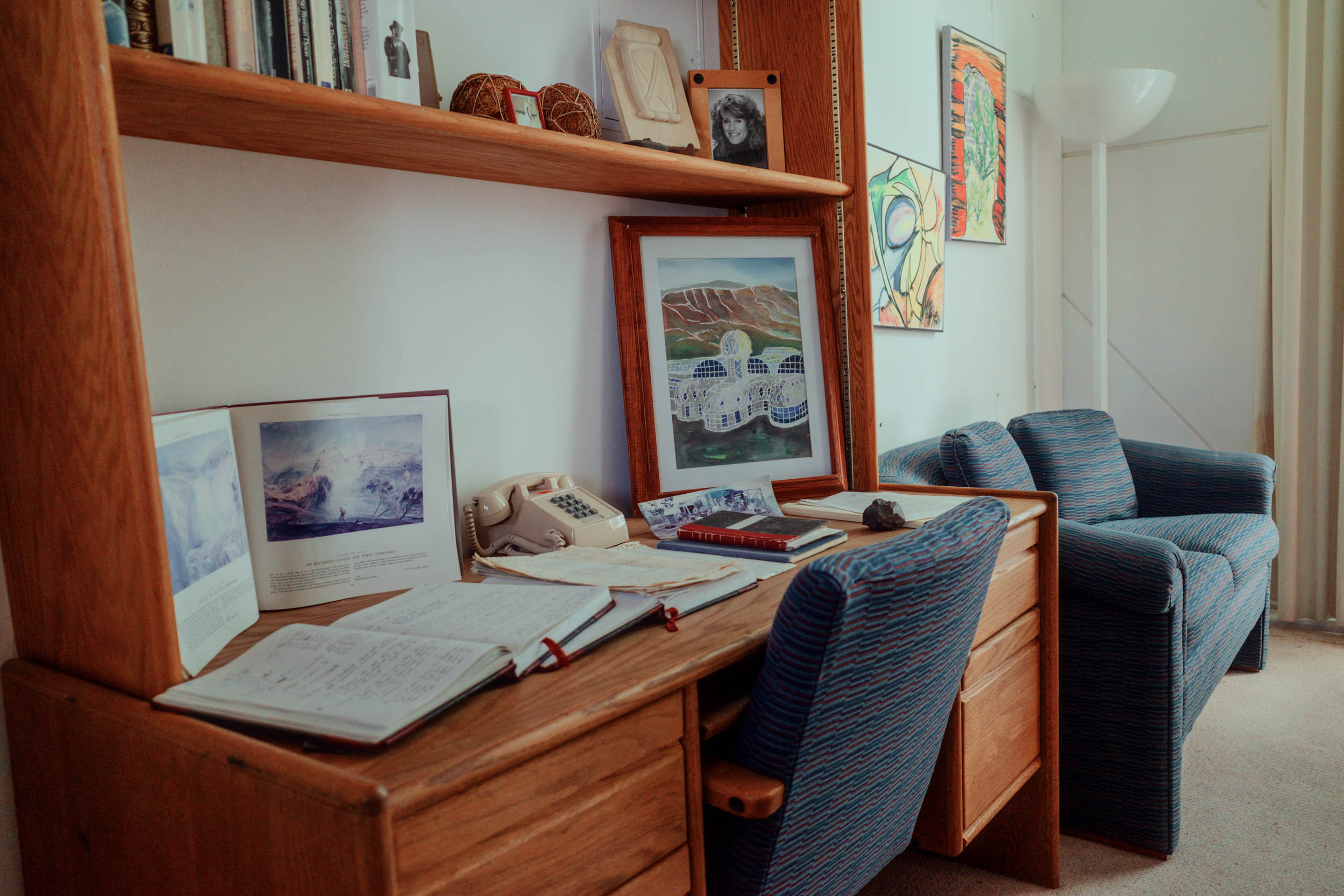
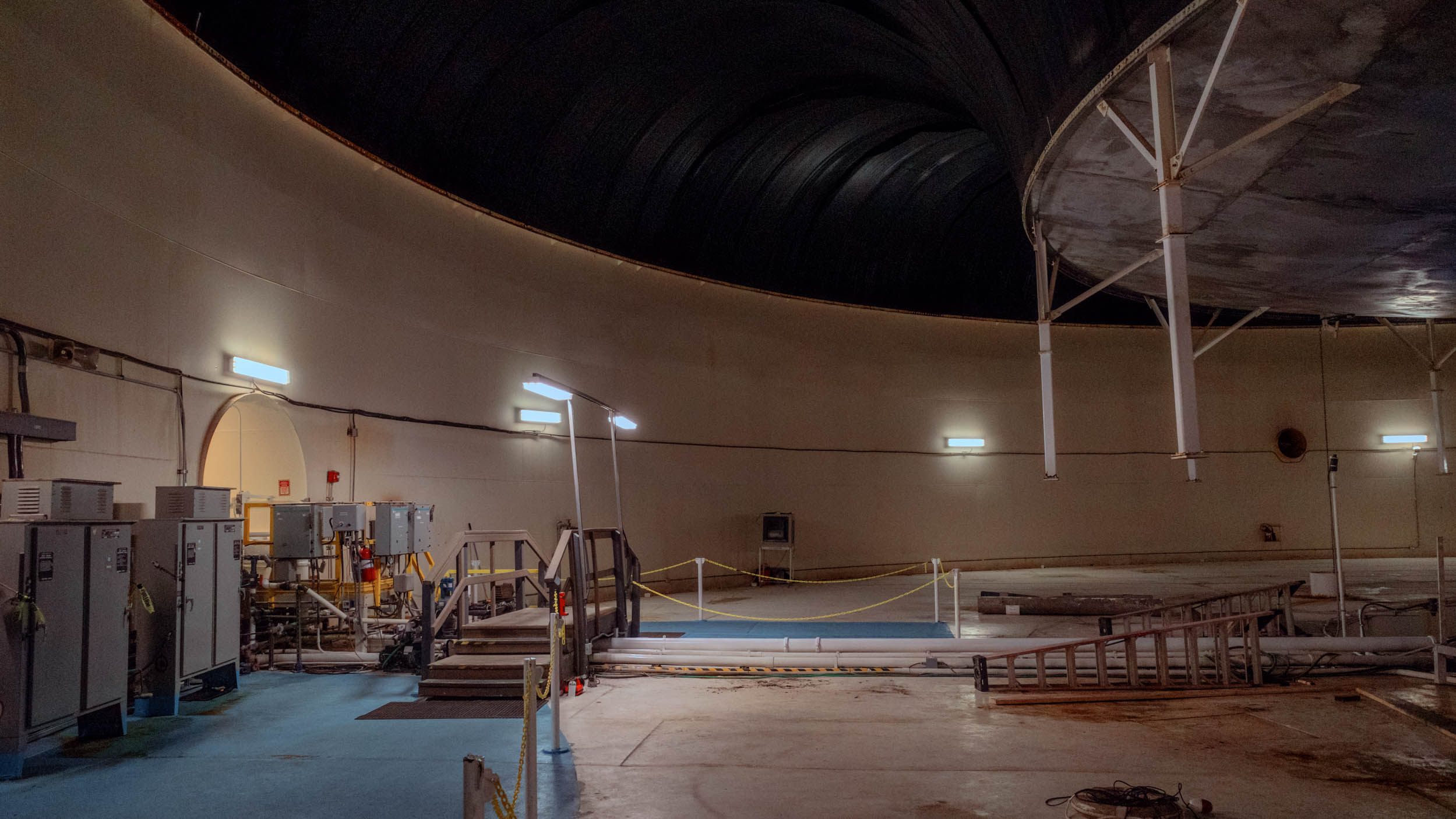
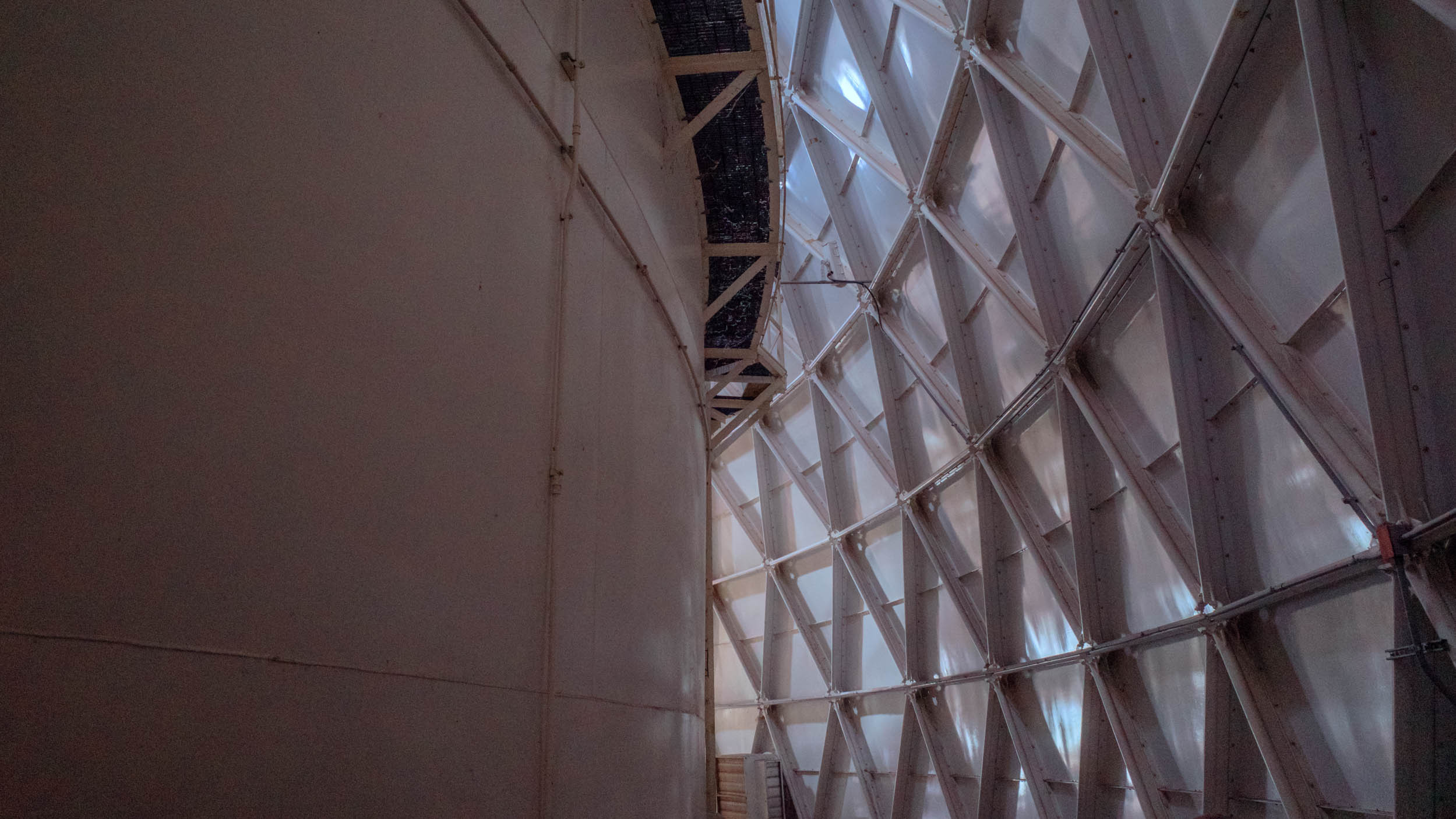
In any case, despite the difficulties faced in constructing and running the facility, it still exists to this day, largely unchanged from its original state. It is owned by the University of Arizona and is used for various environmental science experiments. And I can say from experience, it is simply amazing. Inside, you walk through the original kitchen and living quarters used by the biospherians. You can tour the library perched atop a set of spiral stairs (which didn’t see much use during the original experiments because walking upstairs expended too many calories). You see the original farm biomes where the biospherians grew their food, now converted into a large-scale experiment on water runoff. You walk through the orchard where fruits and coffee beans grew, the latter in such small quantities that the biospherians only had a cup of coffee about every two weeks. You continue on through the facility’s coastal fog desert, savannah, mangrove wetland, ocean, and rainforest biomes. I find the ocean particularly grand, complete with a wave generator and reef (the latter of which was eventually destroyed when Columbia University had control of the space and used it to test how increased levels of atmospheric carbon dioxide affects reefs). You can walk inside “the lungs”, large domes which house immense metal discs suspended from a circumferential rubber-like membrane, under which a volume of air was connected to the main Biosphere 2 structure through tunnels. As the desert sun heated the inside of the biomes, the air would expand and increase the internal pressure. The large metal discs would elevate to relieve this pressure, else the glass windows would explode outward.
For me, Biosphere 2 exists as a perfect hybrid between outdoor exploration, earth science experiment, survival scenario, and mission to space. When you visit, you get the mental benefits of biophilic immersion, while being overwhelmingly impressed at the design of the facility, and having the opportunity to step into the shoes of one of the original biospherians. For all the controversy that surrounded Biosphere 2 as it was being developed and in the decades thereafter, I simply love it (to the point where I’ve often fantasized about building my own huge geodesic dome to live inside), and look forward to many more visits in the future.
A STORY IN PHOTOGRAPHS