INTRODUCTION
If you’d like to skip to the gallery below, feel free to scroll past this wall of text or click here.
I have vivid memories from when I was very young, some single digit number of years old, sitting and watching television shows about architecture and home renovation with a clipboard holding a sheet of graph paper in my lap, contemplating home layouts and drawing floor plans. I remember spending hours on an early internet game on Postopia.com which allowed you to design your own dream bedroom. I remember going to Lowes when they still had a small section of books toward the front of the store, and wanting my mom to buy me a book of 500 floor plans. Being the supportive mother she was, she did, and I still have it to this day. Before my brain was developed enough to be mindful of my interests and why I found them interesting, I had an affinity for creating spaces. In retrospect, I think I found (and still find) something satisfying about intentionally designing something or somewhere which we find pleasant to behold or inhabit. Such pleasant spaces can lead to a pleasant existence. These interests in mind, I decided I wanted to be an architect – the first thing I remember consciously deciding I wanted to do with my life.
Somewhere along the way I got lost and ended up on the path of a radiologist. But throughout my life that appreciation of structure, space, and light has remained. In periods of time which would typically incite boredom, I find myself lost in thought, contemplating what makes certain spaces feel a certain way, how certain types of light affect our mindset, and gradually planning my dream home. Over the years, the sum of these minutes in architectural pondering would certainly add up to weeks, perhaps months. I’ve envisioned living in a series of buildings arranged as a compound, a house arranged as a circle, inside a series of roofless rooms under a large geodesic dome, and in a dwelling built into cliffs and caves. Over time, these grand and perhaps outlandish ideas have distilled down into more reasonable and achievable designs. And the amalgamation of these more achievable designs have led to the creation of the more singular vision you’ll see below.
Having a singular, more defined idea in mind gave me a certain feeling of relaxation. I had, a few minutes at a time over a period of years, finished a long journey of thought. And now, my mind could embark on other journeys. At the same time, however, it brought a feeling of unease. Borrowing from a common phrase in photography, that “a photo is only finished once its printed” I generally feel that a project is only truly finished once it is tangible, or at least sharable in today’s digital world. It is in preparing those works for broader sharing that we’re forced to really polish them and create a definite endpoint in the creative workflow. After sharing them, we can truly close down that mental process and make room for new ones. All of this to say, I needed to get my home design out of my head in some form that I could show to others.
Over the same period of years which saw me gradually contemplating the design of the home you’ll see below, I worked on many projects in which I thought using 3D assets would enhance my storytelling. For example, in several of my travel and adventure videos, 3D maps help to convey the expanse and grandeur of a long journey (as in my Rim to Rim to Rim trek through the Grand Canyon). To create these 3D maps, I’ve had to spend hours, if not days watching YouTube tutorials and reading forum posts, mirroring their instructions click by click to eventually create something that would suffice. The end product has usually been a mere shadow of what I’d originally planned with me lacking the knowledge and skill to fully realize my vision. And even outside of these video projects, I’ve contemplated a few other creative endeavors in which 3D assets either played a significant role, or were the primary medium. And each of those instances the endeavors fizzled out in the ideation stage. Again, I didn’t have the knowledge and skill to move forward. With this background, I’ve always had a plan in the back of my mind to slowly learn 3D modeling, texturing, and rendering.
And so, I found myself with somewhat harmonious problems. I needed to find a way to bring my home design vision to life, at least digitally, and I needed to learn to create and work with 3D assets to open myself up to new creative endeavors. The solution, as you might have guessed, was simple: I would learn 3D workflows in the process of modeling, texturing, lighting, and rendering the design for my dream home. The home design would serve as the practical outlet to motivate my learning. It would provide the impetus to seek out more and more knowledge by giving such knowledge a satisfying and immediate practical application. And by forcing the actual use of learned skills, this immediate practical application would serve to reinforce those concepts learned, with the mind later able to reference experience rather than an understanding of principle and theory. Furthermore, those concepts learned would be continually used throughout the project’s duration, leading to repetitive encounters whereby new concepts are turned to crystallized knowledge. And in the end, I would have a means of sharing my home design vision with others, and could call the project truly complete.
THE GRAND CANYON HOME
The Grand Canyon is my favorite place in the world. More specifically, the bottom of the Grand Canyon is my favorite place in the world. At the canyon’s bottom, you’re completely surrounded by its towering walls. It gives feelings of solitude in a peaceful oasis and isolation from the outside world that I haven’t experienced to the same extent anywhere else. In designing my dream home, I sought to capture some of this character.
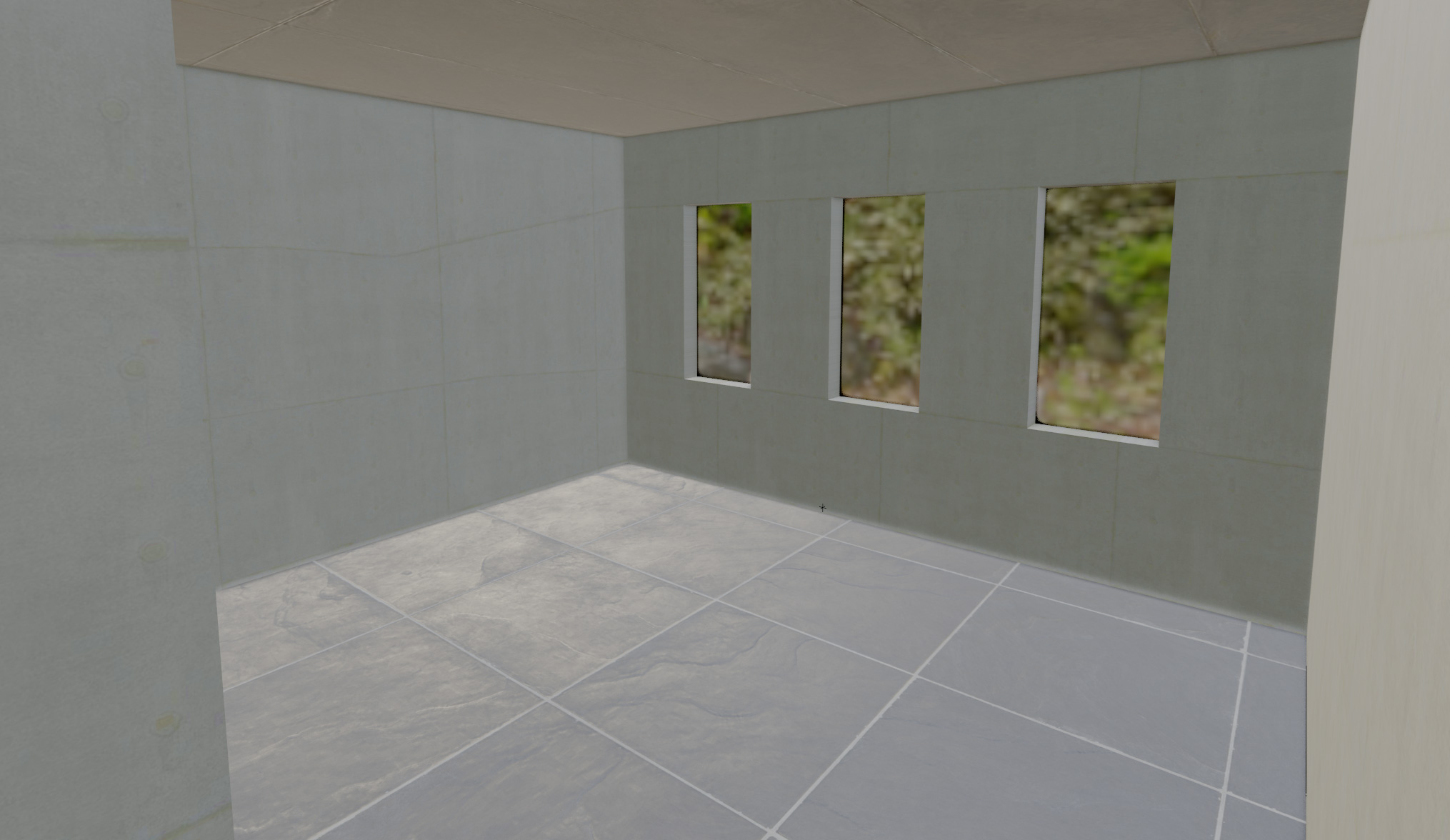
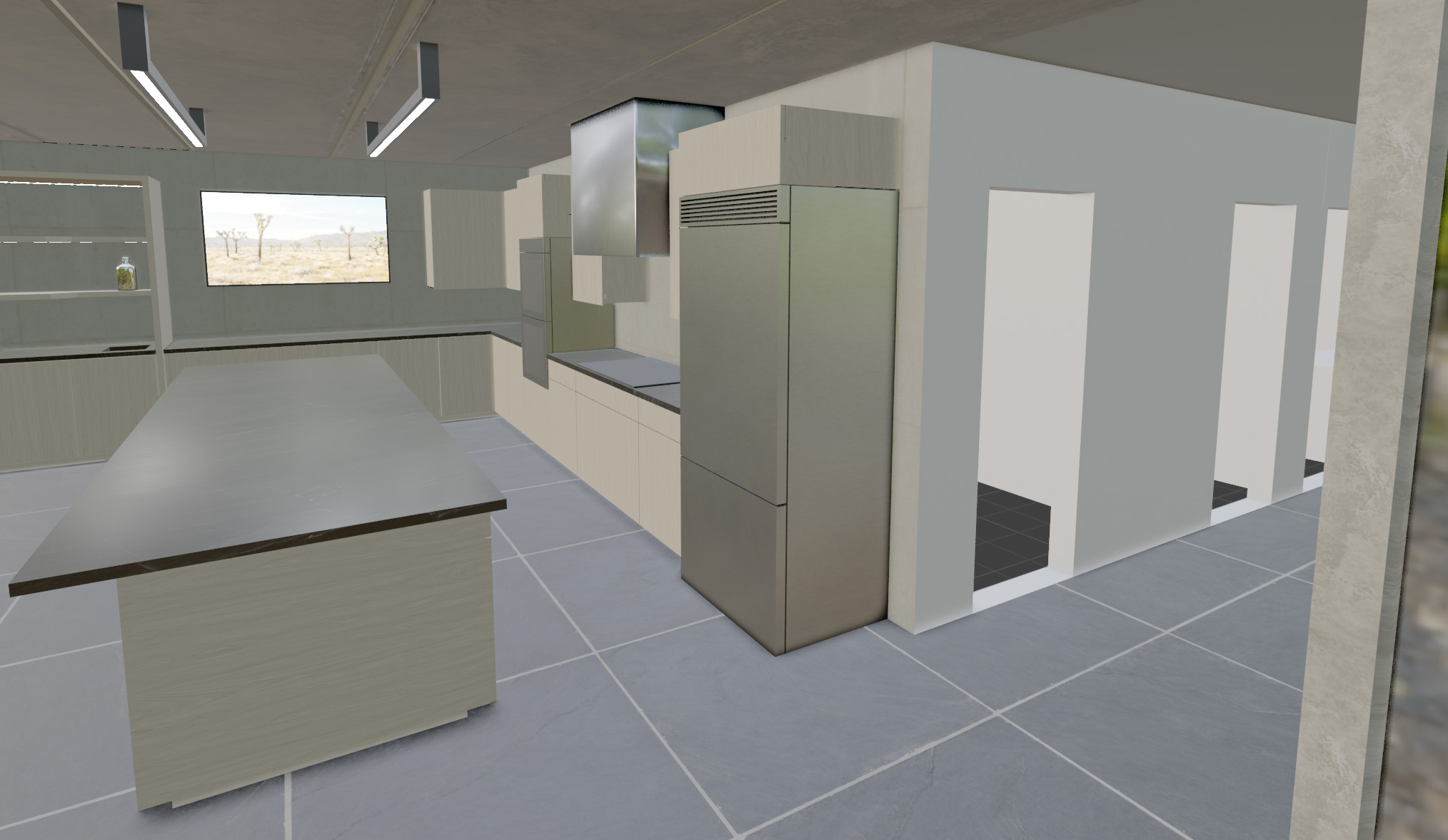
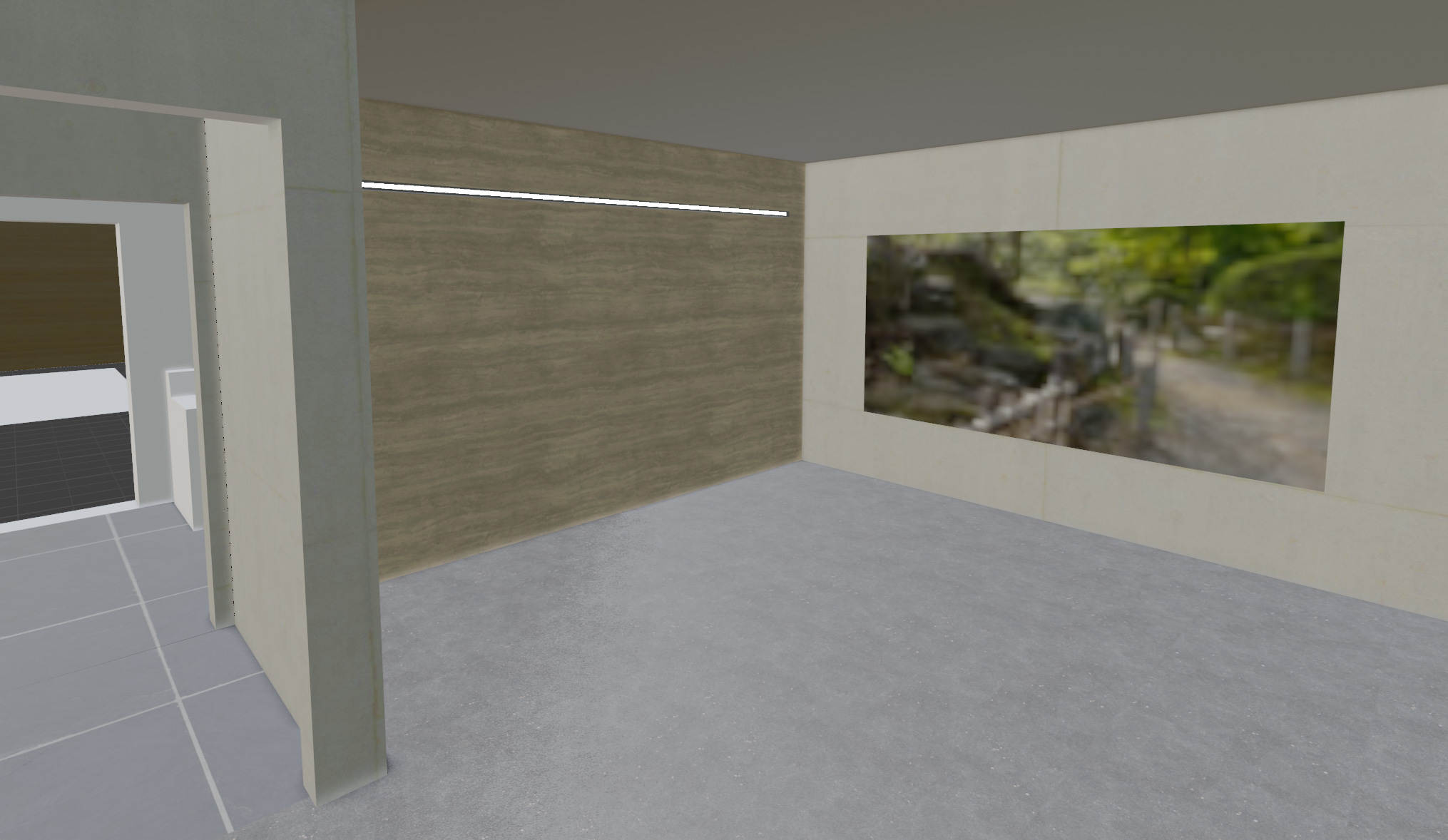
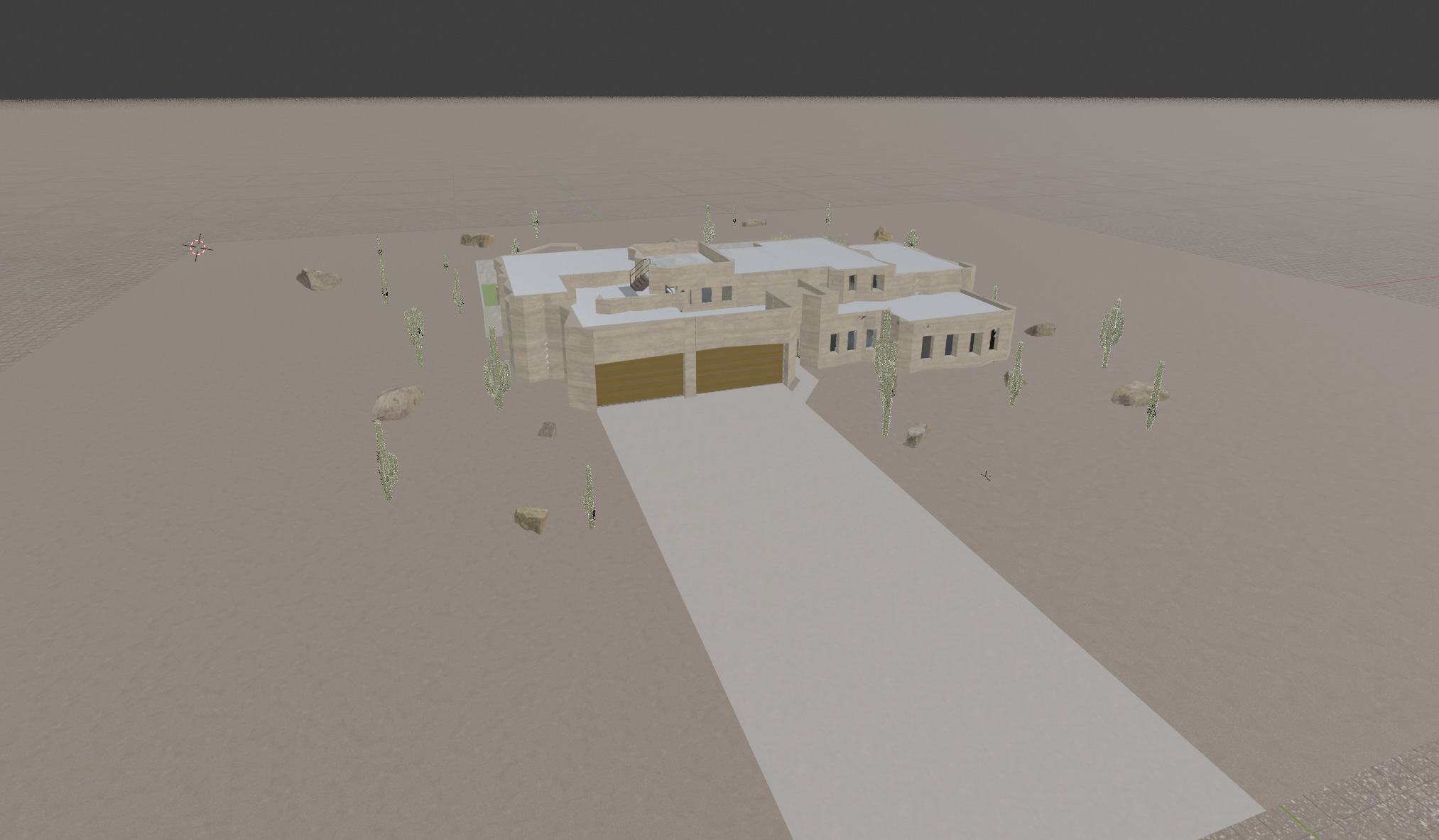
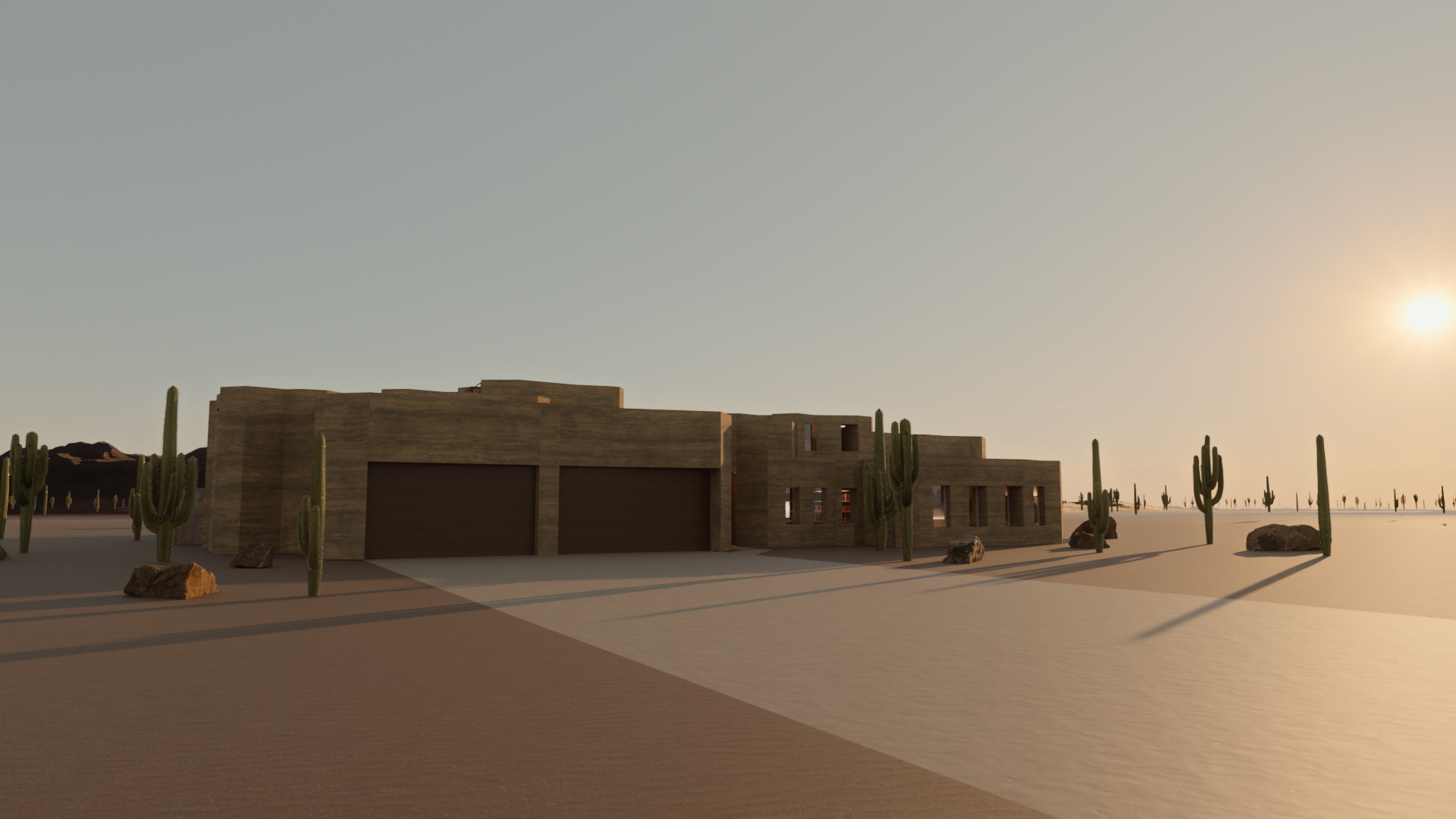
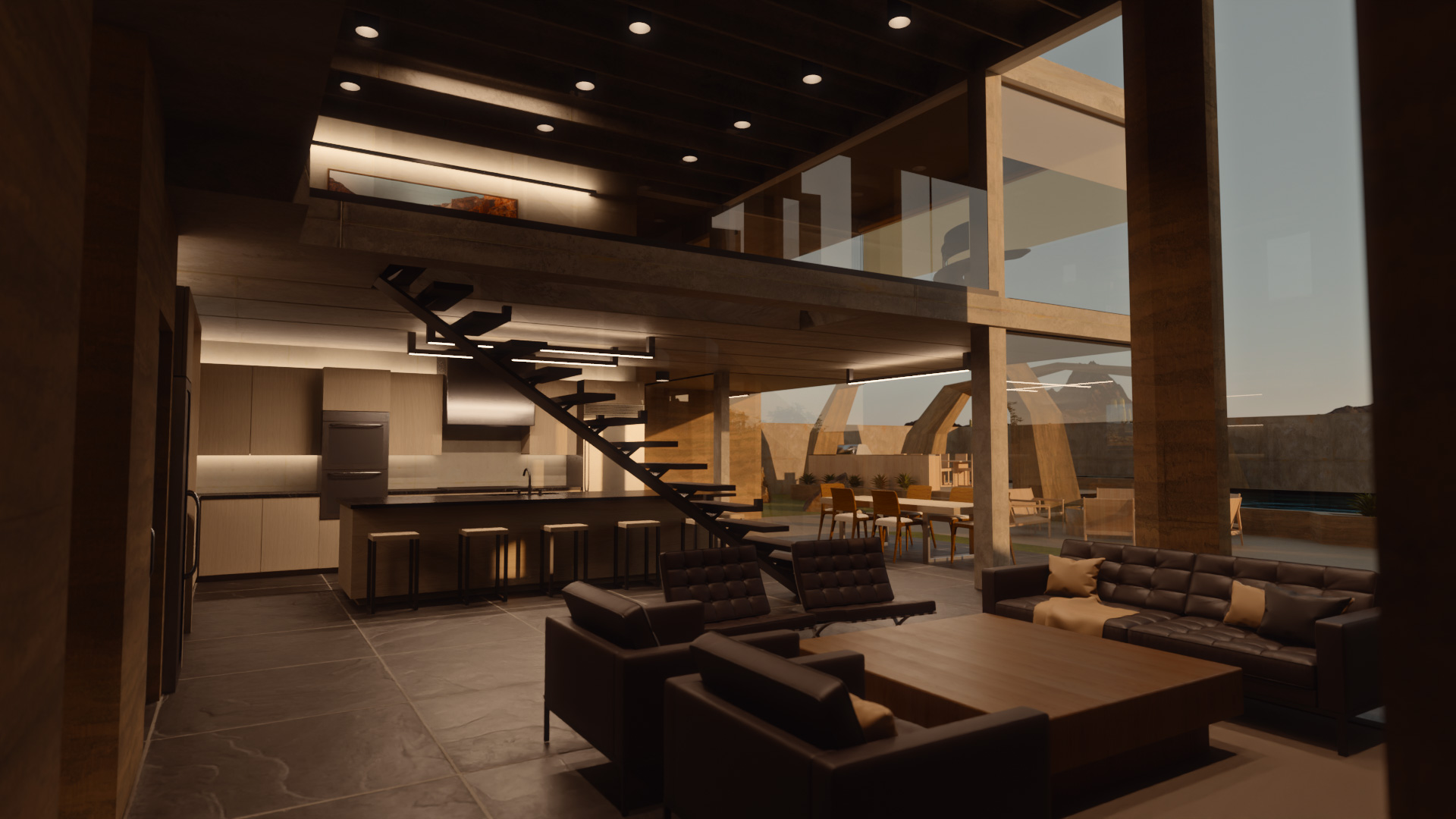
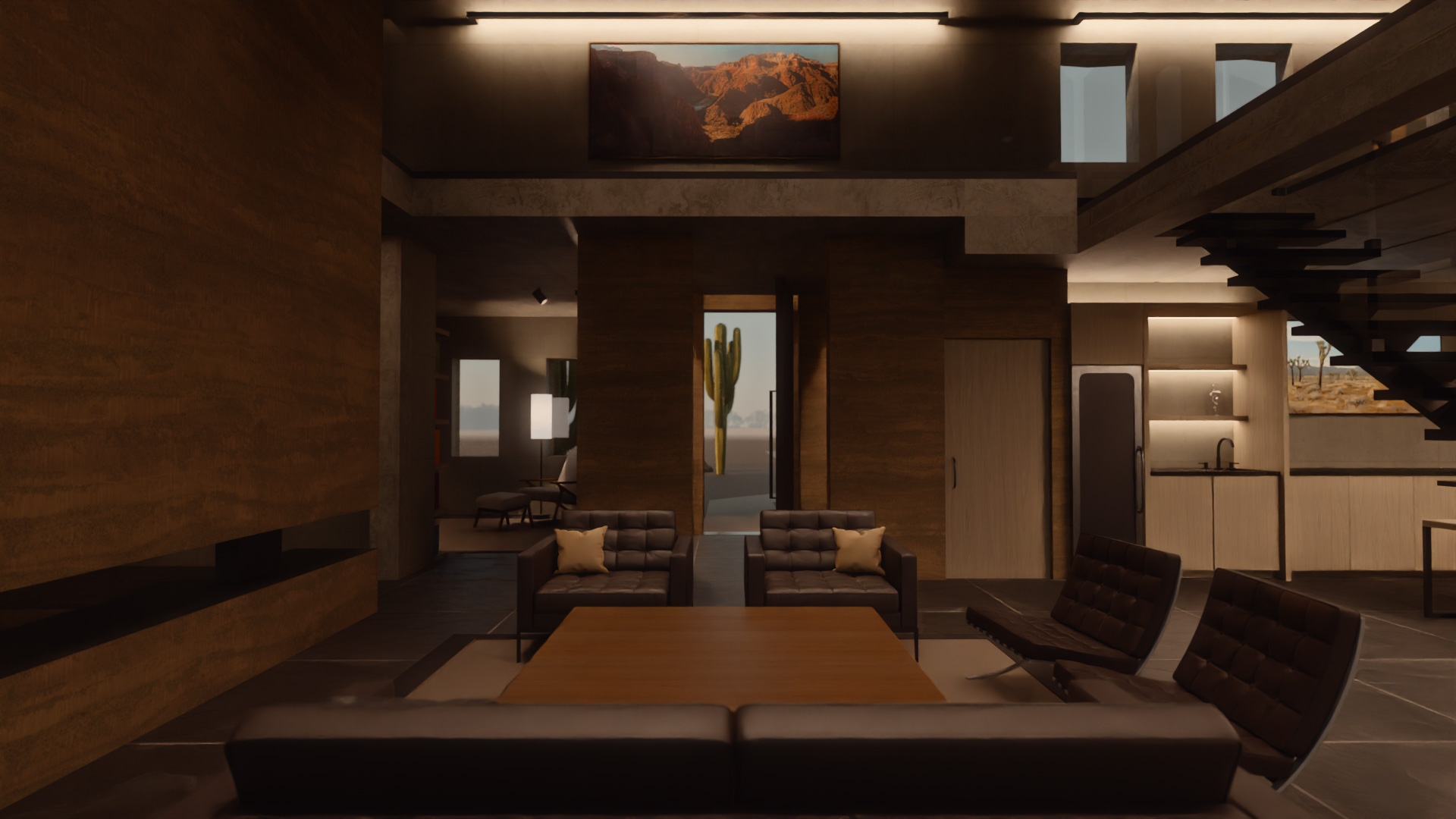
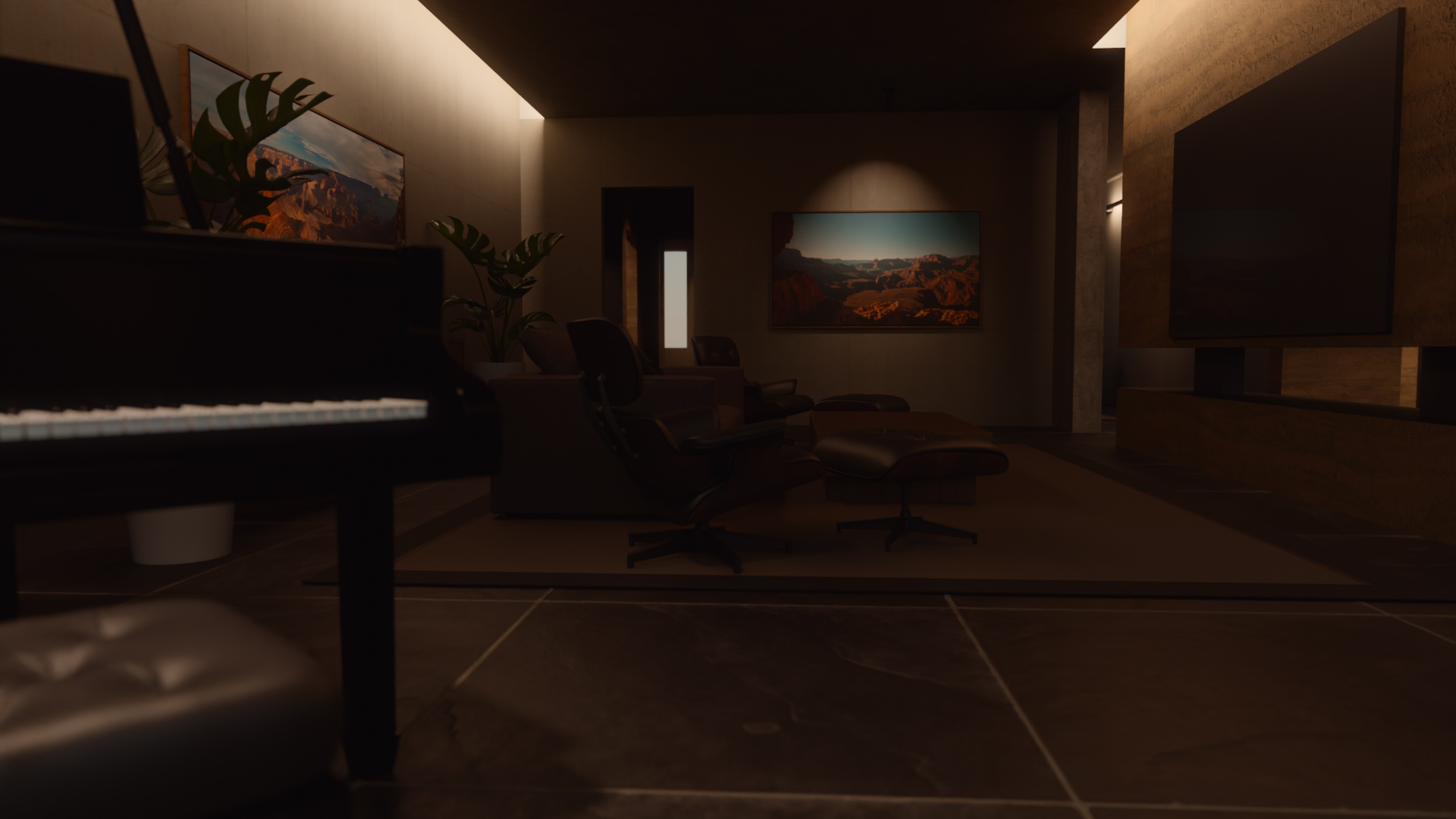
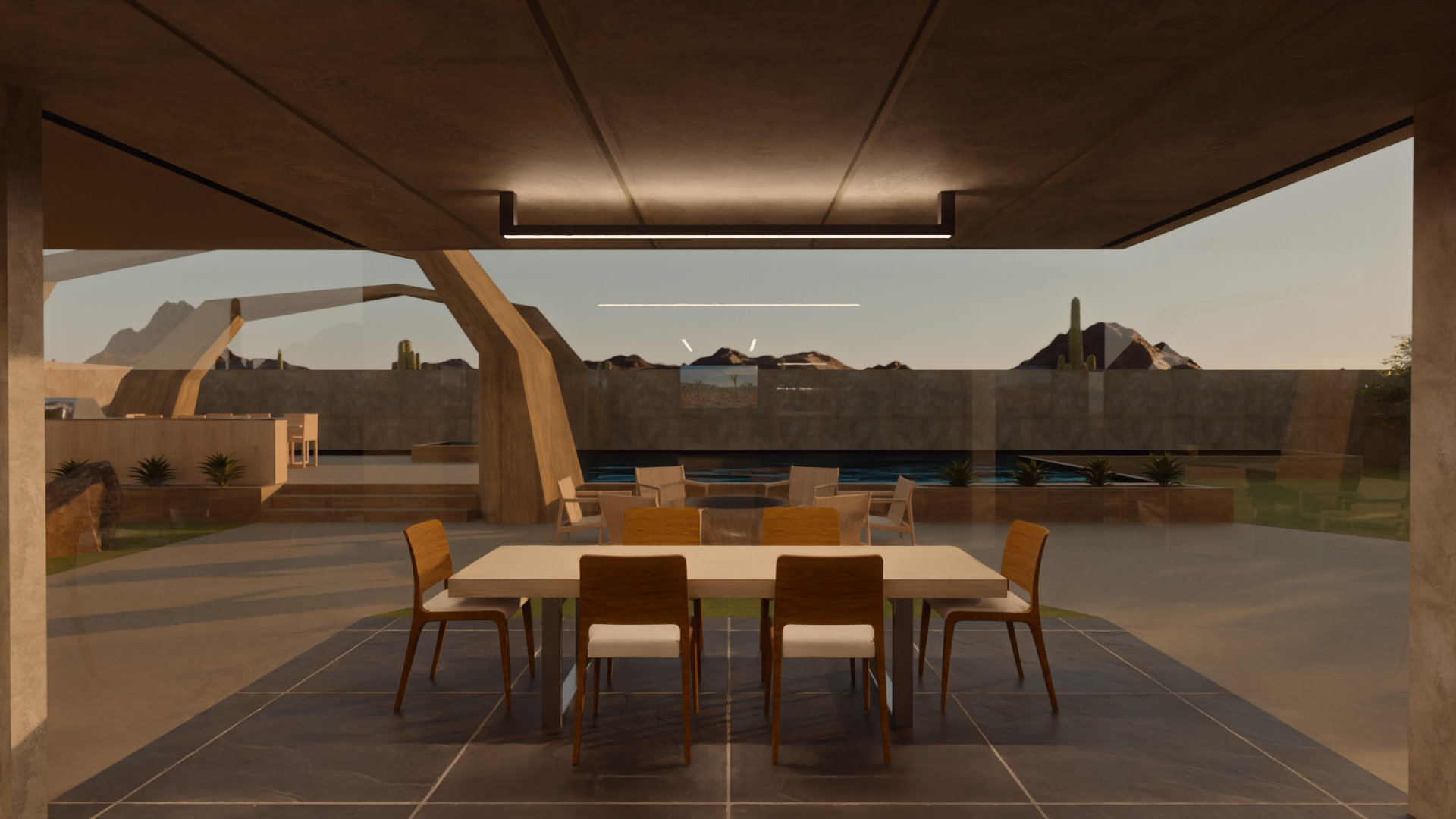
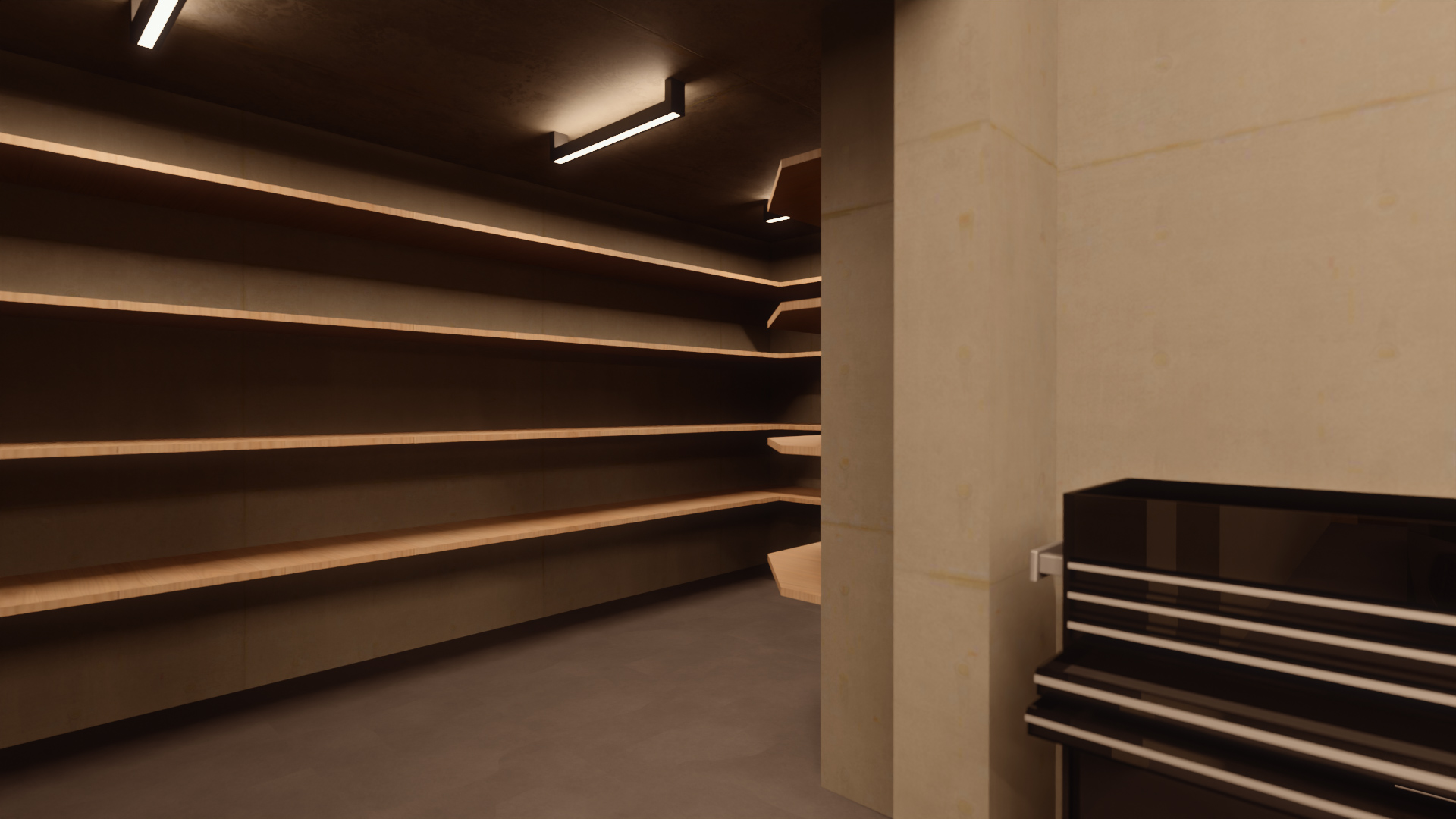
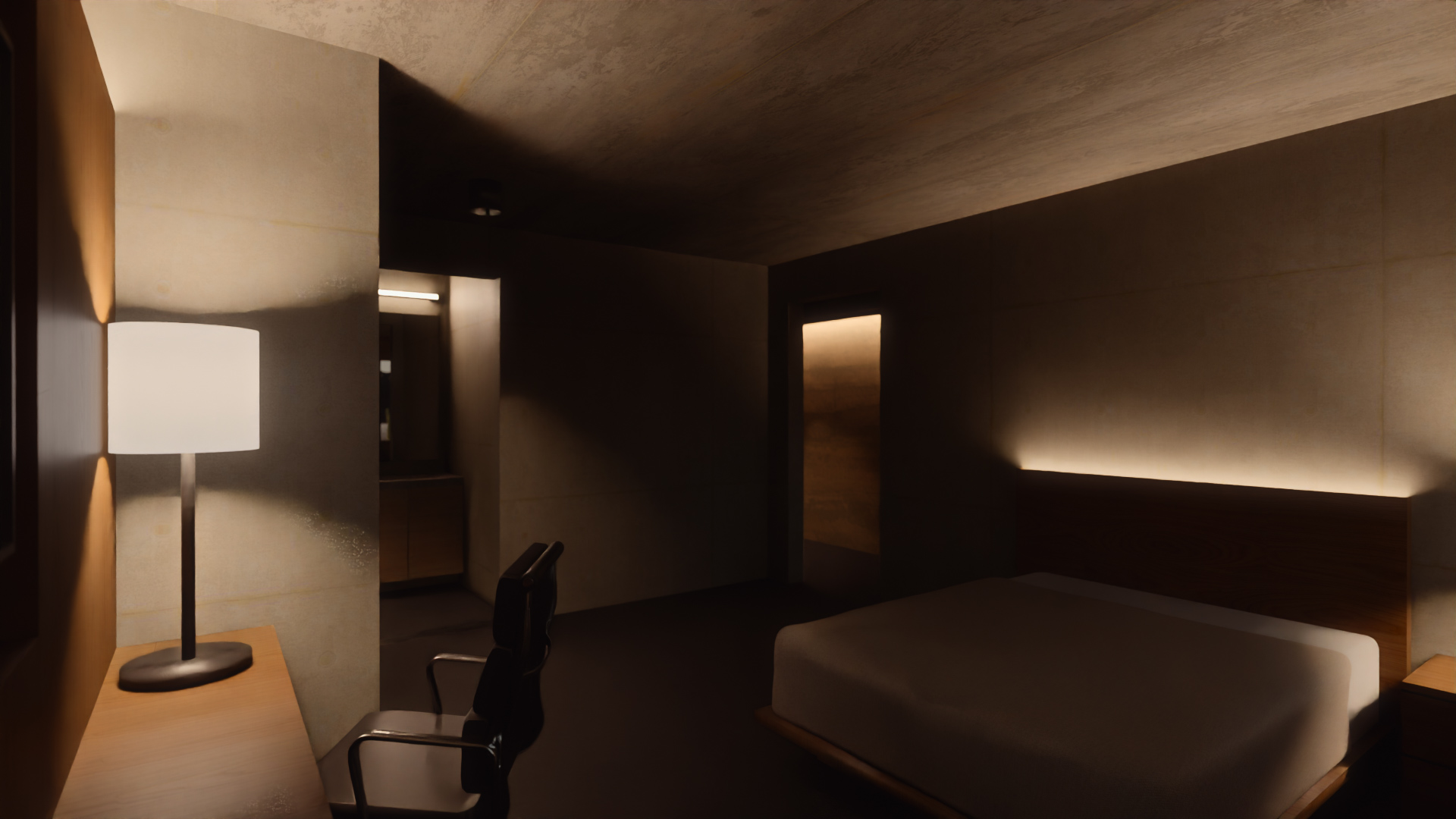
The renders you’ll see below reflect a general architectural vision, and not a truly finished home. For instance, you’ll notice that I’ve included no air vents, no electrical outlets, and no interior doors. I didn’t feel that this level of detail was necessary to communicate my vision, and doors often obscure an understanding of spatial relationships between rooms. Furthermore, some elements of the home might not be structurally feasible, particularly the “fish bowl” dining room where the walls are made of unsupported glass (even thick aquarium glass doesn’t behave well under vertical compressive force). In any case, my goal was to simply communicate my general vision for space, flow, light, style, and material, which I hope I’ve achieved.
FINAL RENDERS
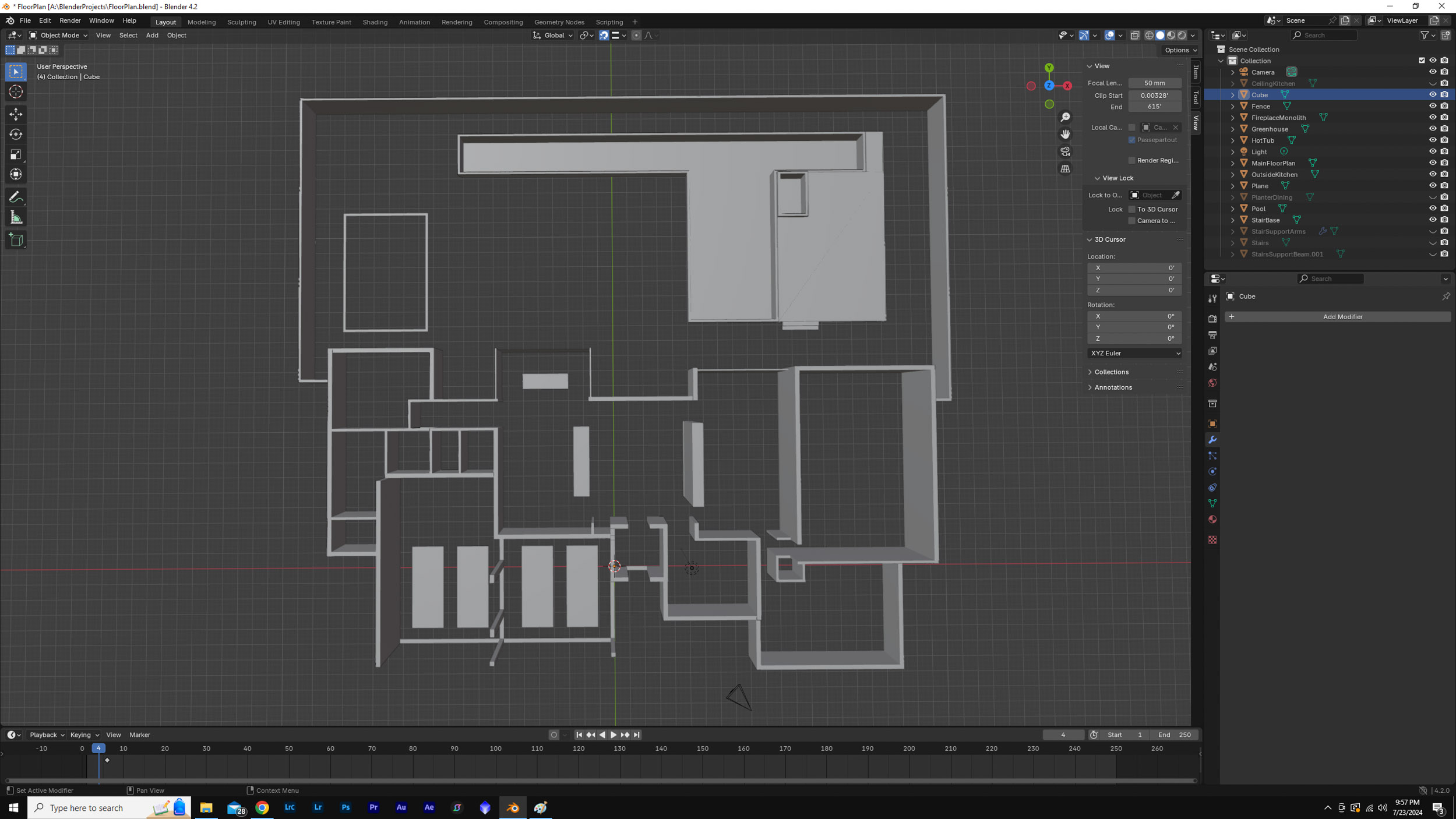
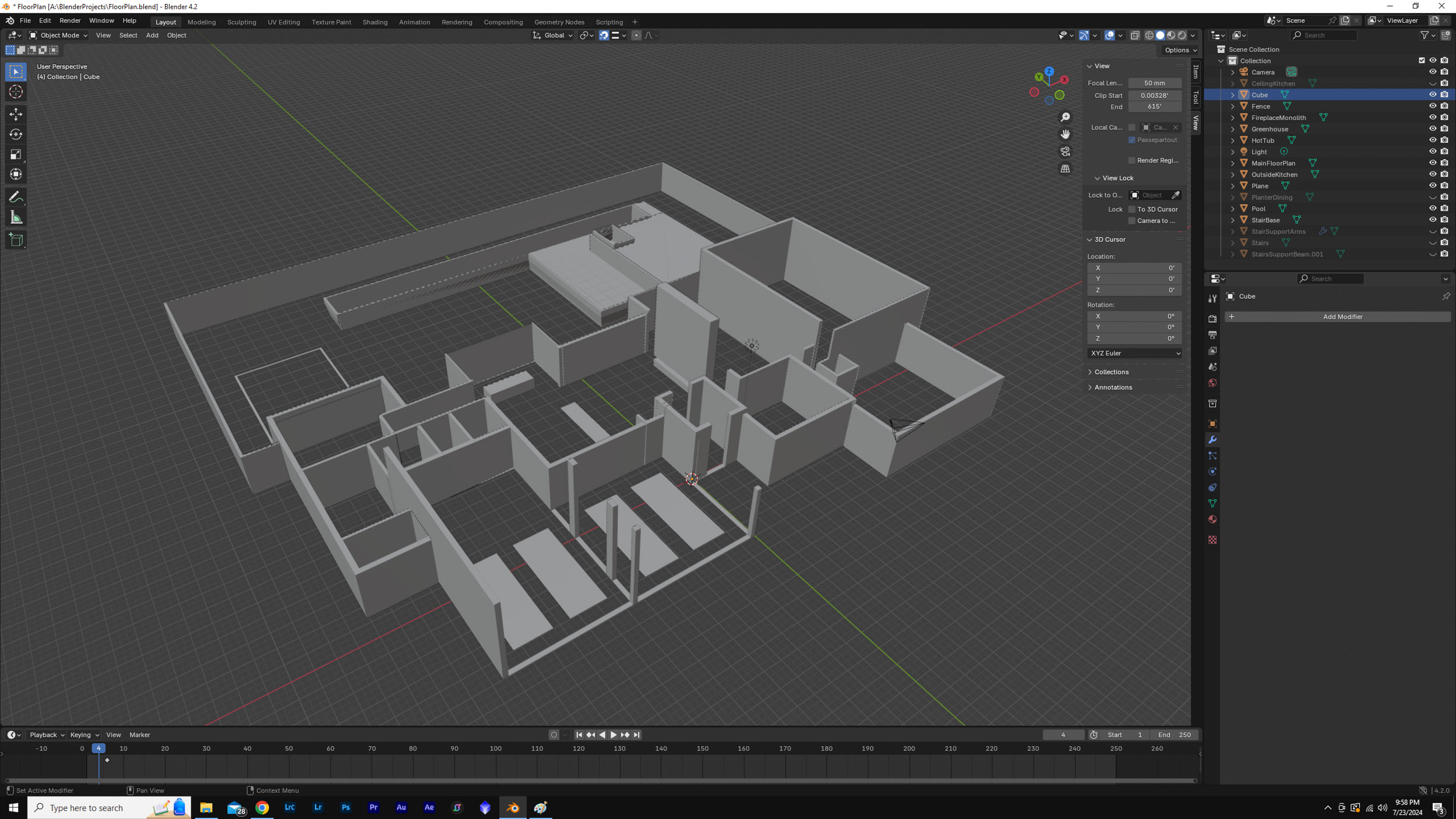
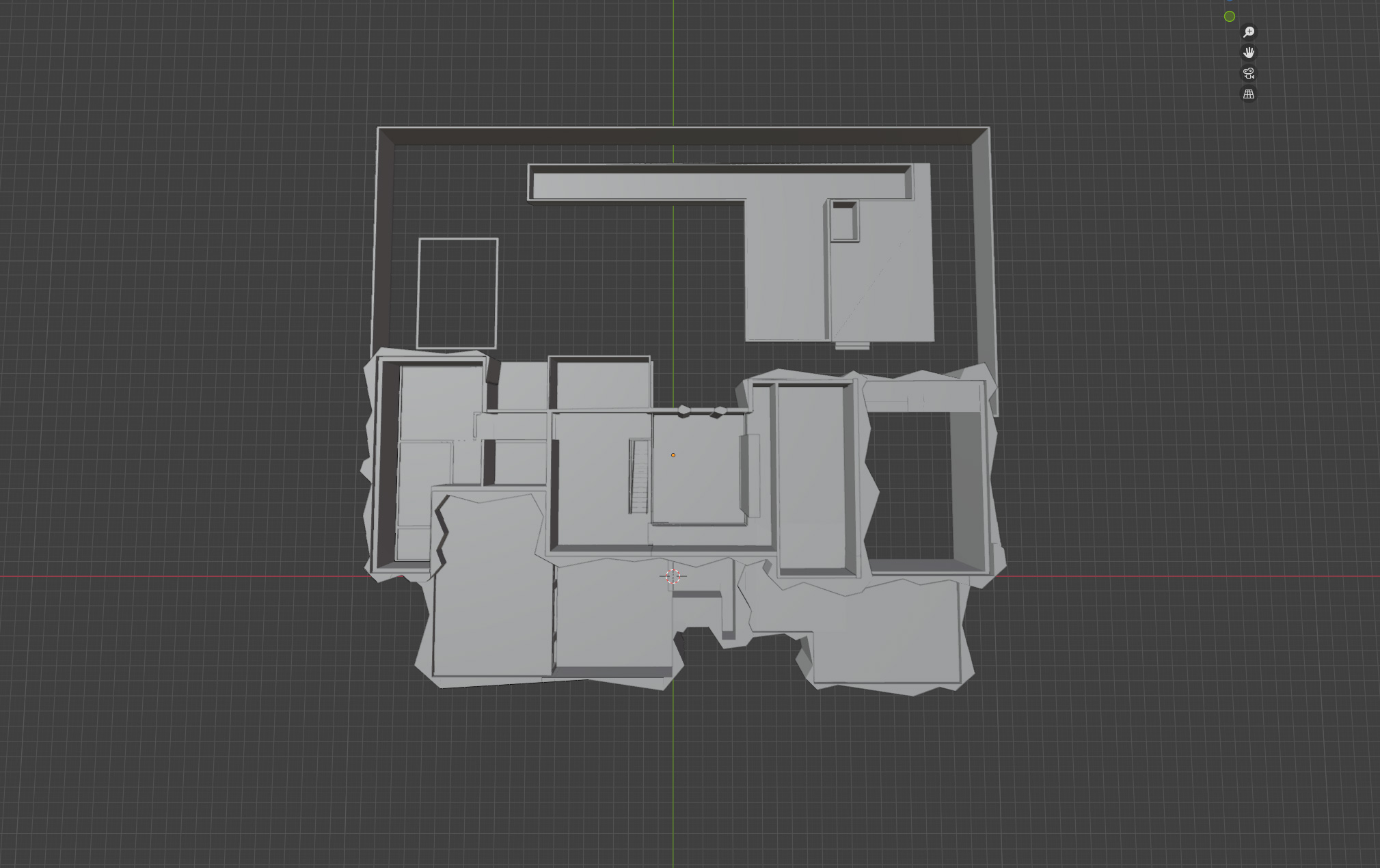
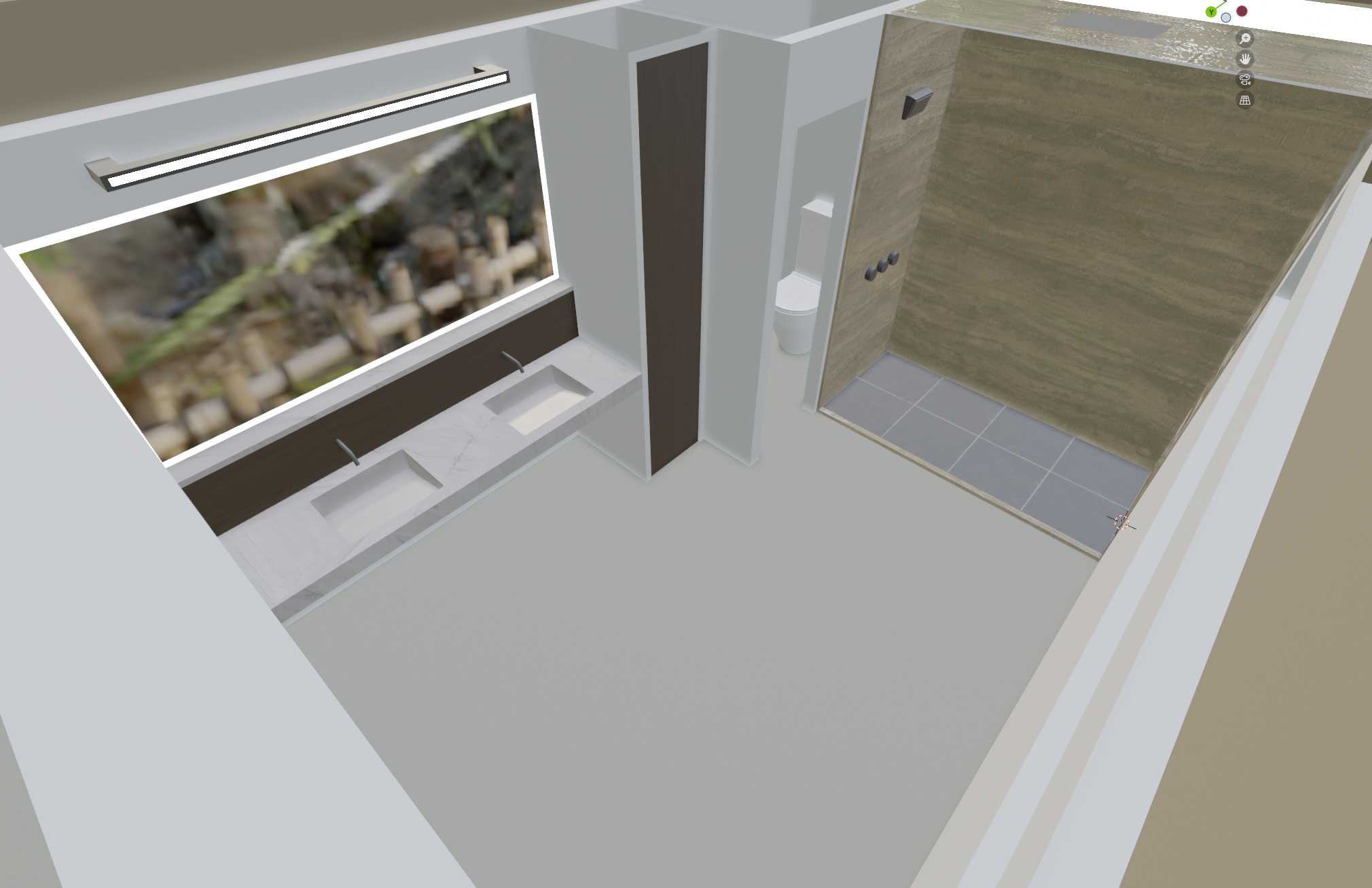
(STEP-BY-STEP PROGRESS IMAGES BELOW)














PROGRESS IMAGES